
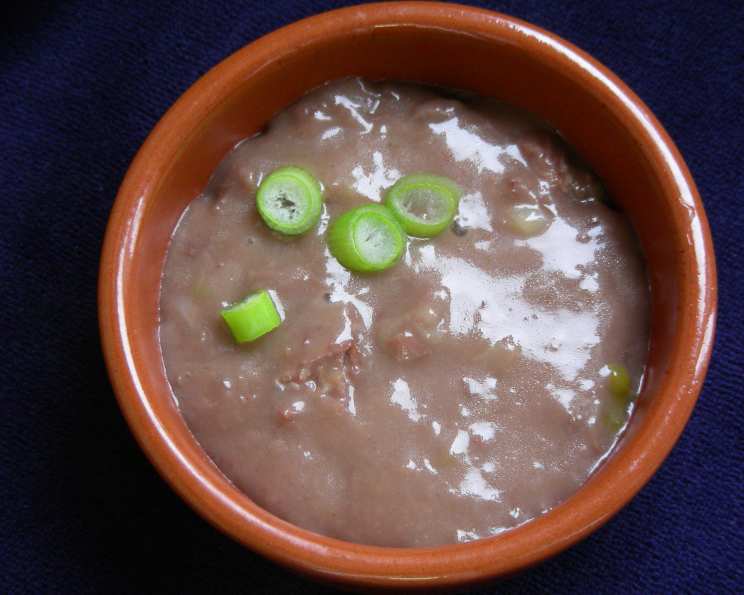
The Ultimate Burgundy Beef Sauce: A Chef’s Secret
The aroma still takes me back to Sunday dinners at my grandmother’s. The star of the show was always a perfectly roasted beef, but what truly elevated it was her secret sauce – a rich, savory concoction that turned simple slices of meat into an unforgettable experience. I remember sneaking extra spoonfuls straight from the pan, the complex flavors clinging to my tongue long after the meal was over. This recipe is my attempt to recreate that cherished flavor, with a few of my own professional tweaks.
Recipe Overview
- Prep Time: 5 minutes
- Cook Time: 20 minutes
- Total Time: 25 minutes
- Servings: 6-8
- Yield: Approximately 2 cups
- Dietary Type: Not Gluten-Free
Ingredients
- 3 tablespoons beef drippings (or melted butter if drippings are unavailable)
- 3 tablespoons flour
- 2 teaspoons prepared mustard
- 2 teaspoons Worcestershire sauce
- 1 teaspoon salt
- 1 (10 3/4 ounce) can beef consommé
- 1 cup Burgundy wine
- 4 green onions, thinly sliced
Equipment Needed
- Saucepan
- Whisk
Instructions
- Begin by preparing your roux. In a medium saucepan, melt the beef drippings over medium heat. If you don’t have a full 3 tablespoons of drippings, supplement with melted butter to reach the required amount. It’s essential that the drippings are hot to ensure the flour toasts properly.
- Gradually whisk in the flour and stir constantly until a smooth paste forms. This is your roux, the base of the sauce. Continue to cook, stirring, for about 1-2 minutes to lightly brown the roux. A light golden color will give the sauce a richer flavor. Be careful not to burn it.
- Remove the saucepan from the heat. Add the mustard, Worcestershire sauce, and salt. Blend these ingredients thoroughly into the roux until well combined. This step is easier to accomplish off the heat, preventing the mustard from seizing up.
- Slowly incorporate the beef consommé, adding it a small amount at a time. Whisk continuously after each addition to ensure a smooth sauce. This gradual addition prevents lumps from forming. Take your time with this step.
- Return the saucepan to medium heat. Stir in the Burgundy wine. The wine adds depth and complexity to the sauce. If you don’t have Burgundy, a dry red wine like Cabernet Sauvignon or Merlot can be substituted.
- Cook, stirring constantly, until the sauce begins to thicken. This should take about 5-7 minutes. The sauce should coat the back of a spoon.
- Reduce the heat to low and cook slowly for 10 minutes, stirring occasionally. This slow simmer allows the flavors to meld together beautifully.
- Finally, add the thinly sliced green onions and continue cooking for 5 minutes longer. The green onions add a fresh, vibrant element to the sauce.
- Remove from heat and serve immediately. The sauce will thicken slightly as it cools. This recipe yields approximately 2 cups of sauce.
Expert Tips & Tricks
- For a smoother sauce: If you find that your sauce has any lumps, you can strain it through a fine-mesh sieve after cooking. This will remove any clumps and result in a perfectly smooth texture.
- Make-Ahead Magic: This sauce can be made a day or two in advance. Store it in an airtight container in the refrigerator and gently reheat it on the stovetop before serving. You might need to add a splash of beef broth or water to thin it out if it becomes too thick during storage.
- Flavor Boost: For an extra layer of umami, consider adding a pinch of dried porcini mushroom powder to the roux. It will amplify the savory notes of the beef.
- Wine Choice: While Burgundy is traditional, experiment with other dry red wines. A Chianti or Rioja can also work well, depending on your preference. Just avoid anything too sweet or fruity.
- Thickening Troubles: If your sauce isn’t thickening as much as you’d like, whisk together a teaspoon of cornstarch with a tablespoon of cold water to create a slurry. Gradually whisk the slurry into the simmering sauce until it reaches your desired consistency.
Serving & Storage Suggestions
This Burgundy beef sauce is the perfect accompaniment to roast beef, steak, or even grilled burgers. Drizzle it generously over slices of beef, mashed potatoes, or Yorkshire pudding. It’s also delicious with roasted vegetables.
For storage, allow the sauce to cool completely before transferring it to an airtight container. It will keep in the refrigerator for up to 3-4 days. To reheat, gently warm it on the stovetop over low heat, stirring occasionally. If the sauce has thickened too much, add a splash of beef broth or water to thin it out. Freezing is not recommended as the texture may change upon thawing.
Nutritional Information
| Nutrient | Amount per Serving | % Daily Value |
|---|---|---|
| Calories | 66.2 kcal | N/A |
| Calories from Fat | N/A | N/A |
| Total Fat | 0.1 g | 0% |
| Saturated Fat | 0 g | 0% |
| Cholesterol | 0 mg | 0% |
| Sodium | 690.6 mg | 28% |
| Total Carbohydrate | 6.4 g | 2% |
| Dietary Fiber | 0.4 g | 1% |
| Sugars | 0.5 g | N/A |
| Protein | 2.9 g | 5% |
Note: Nutritional information is an estimate and may vary based on specific ingredients used.
Variations & Substitutions
- Gluten-Free Option: To make this sauce gluten-free, substitute the all-purpose flour with a gluten-free all-purpose flour blend or tapioca starch. Ensure the Worcestershire sauce you use is also gluten-free.
- Vegetarian/Vegan Adaptation: This sauce relies heavily on beef drippings for its signature flavor. To create a vegetarian/vegan version, you’d need to reimagine the flavor profile significantly. Consider using a robust mushroom broth instead of beef consommé and sauteed mushrooms in place of beef drippings, deglazing the pan with wine to capture the fond.
- Spicy Kick: Add a pinch of red pepper flakes to the roux for a touch of heat.
- Herb Infusion: Stir in a teaspoon of dried thyme or rosemary along with the green onions for an herbaceous twist.
FAQs (Frequently Asked Questions)
Q: Can I use a different type of wine?
A: Yes, while Burgundy is traditional, you can substitute with other dry red wines like Cabernet Sauvignon or Merlot. Avoid sweet wines as they will alter the flavor profile.
Q: What can I use if I don’t have beef consommé?
A: You can substitute with beef broth or beef stock, but the flavor will be slightly less intense. You may need to reduce the sauce a bit longer to concentrate the flavors.
Q: How do I prevent lumps from forming in the sauce?
A: The key is to add the consommé slowly, a small amount at a time, while whisking constantly. Make sure the roux is smooth before adding any liquid.
Q: Can I add mushrooms to this sauce?
A: Absolutely! Sauté some sliced mushrooms in butter until softened and add them to the sauce along with the green onions.
Q: Can I freeze this sauce for later use?
A: While not ideal, you can freeze the sauce. Be aware that the texture may change slightly upon thawing. Thaw it overnight in the refrigerator and reheat gently on the stovetop, adding a splash of broth or water if needed.
Final Thoughts
This Burgundy beef sauce is more than just a condiment; it’s a culinary experience, a taste of tradition, and a celebration of flavor. I encourage you to try this recipe and create your own memories around it. Feel free to experiment with variations and substitutions to make it your own signature sauce. And don’t be afraid to share your creations and feedback – I’m always eager to hear how you’ve made this dish your own! Pair this sauce with a perfectly cooked steak and a glass of the same Burgundy used in the recipe for an unforgettable meal.