
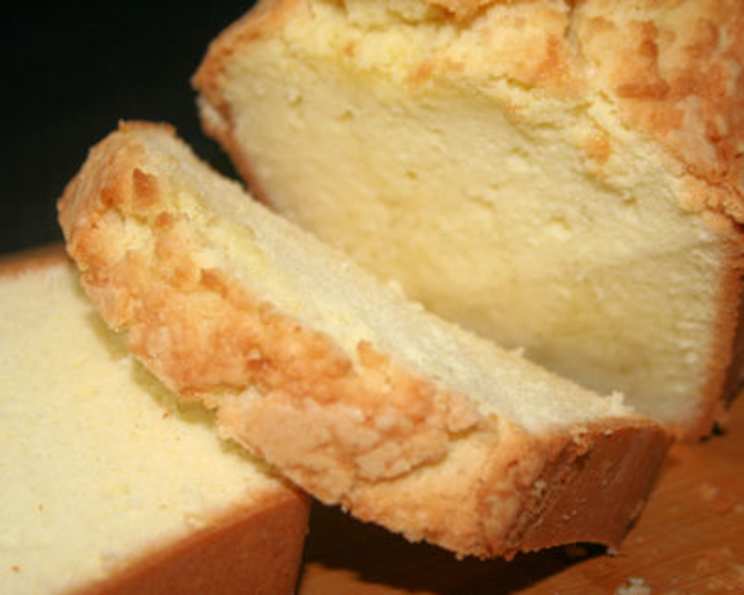
Grandmother’s Pound Cake: A Taste of Timeless Tradition
The scent alone transports me back to my grandmother’s kitchen. Flour dust motes dancing in the sunlight, the rhythmic whir of her ancient electric mixer, and that unmistakable aroma of butter and sugar transforming into something magical. More than just a cake, it’s a memory woven into every crumb – a tangible piece of my childhood, always ready to be relived with a single bite. Her pound cake wasn’t fancy, but it was perfect, a simple pleasure made with love and passed down through generations. This recipe is a tribute to her enduring spirit and the comforting flavors of home.
Recipe Overview
- Prep Time: 20 minutes
- Cook Time: 1 hour 30 minutes
- Total Time: 1 hour 50 minutes
- Servings: 10-12
- Yield: 1 large loaf or 2 small loaves
- Dietary Type: Not Gluten-Free, Not Dairy-Free
Ingredients
- 1 cup butter (no substitutes)
- 1 2/3 cups sugar
- 5 eggs
- 2 cups pastry flour or 2 cups cake flour
- 1/4 teaspoon salt
Equipment Needed
- Electric mixer
- Large bowl
- Measuring cups and spoons
- 1 large loaf pan or 2 small loaf pans
- Butter knife or pastry brush
- Parchment paper (optional)
- Oven
- Cooling rack
Instructions
-
Preheat your oven to 300 degrees Fahrenheit (150 degrees Celsius). This low and slow baking is key to a perfectly textured pound cake.
-
Prepare your loaf pan(s). Generously butter the inside of either one large or two smaller loaf pans. Then, flour the pan(s), ensuring all surfaces are coated. Tap out any excess flour. For easy removal, you can also line the bottom of the pan with a strip of parchment paper.
-
In a large bowl, cream together the butter and sugar using an electric mixer. This step is crucial for creating a light and airy cake. Continue mixing until the mixture is light, fluffy, and almost white in color. This may take several minutes, so be patient. Scrape down the sides of the bowl periodically to ensure everything is evenly combined.
-
Beat in the eggs one at a time, making sure each egg is fully incorporated before adding the next. This prevents the batter from curdling. If the batter does appear to curdle slightly, don’t panic! Adding a spoonful of the flour mixture will help bring it back together.
-
In a separate bowl, whisk together the pastry flour (or cake flour) and salt. This ensures the salt is evenly distributed throughout the flour.
-
Gradually fold the flour mixture into the wet ingredients. Be careful not to overmix, as this can develop the gluten in the flour and result in a tough cake. Mix until just combined, and no streaks of flour remain. The batter should be smooth and slightly thick.
-
Spoon the batter into the prepared loaf pan(s), spreading it evenly.
-
Bake for 1 1/2 hours. To check for doneness, insert a wooden skewer or toothpick into the center of the cake. If it comes out clean or with only a few moist crumbs clinging to it, the cake is done. If the skewer comes out with wet batter, continue baking for another 5-10 minutes and check again.
-
Remove the cake from the oven and let it cool in the pan for 10-15 minutes before inverting it onto a wire rack to cool completely.
Expert Tips & Tricks
-
Room Temperature Ingredients: Ensure your butter and eggs are at room temperature. This helps them emulsify properly, resulting in a smoother batter and a more tender cake. Take them out of the refrigerator at least an hour before you plan to start baking.
-
The Right Flour: Using pastry flour or cake flour is essential for a tender, light crumb. These flours have a lower protein content than all-purpose flour, which prevents the cake from becoming tough. If you only have all-purpose flour, you can substitute 2 tablespoons of the all-purpose flour with 2 tablespoons of cornstarch for each cup of flour.
-
Don’t Overmix: Overmixing the batter develops the gluten in the flour, resulting in a dense, tough cake. Mix only until the ingredients are just combined.
-
Even Baking: To ensure the cake bakes evenly, rotate the loaf pan halfway through the baking time. This is especially important if your oven has hot spots.
-
Preventing a Cracked Top: A cracked top is a common occurrence with pound cakes, and it doesn’t affect the flavor. However, if you want to minimize cracking, try reducing the oven temperature by 25 degrees Fahrenheit and baking for a slightly longer time.
-
Make Ahead: The batter can be prepared ahead of time and stored in the refrigerator for up to 24 hours. Let it come to room temperature before baking.
Serving & Storage Suggestions
Grandmother’s pound cake is delicious served plain, but it’s also wonderful with a variety of toppings. Dust it with powdered sugar, drizzle it with a simple glaze, or serve it with fresh berries and whipped cream. It also pairs well with ice cream or a fruit compote.
To store, wrap the cooled cake tightly in plastic wrap or place it in an airtight container. It will keep at room temperature for 3-4 days, in the refrigerator for up to a week, or in the freezer for up to 2 months. To thaw frozen pound cake, place it in the refrigerator overnight or at room temperature for a few hours. Reheating is generally not necessary, but you can warm individual slices in the microwave for a few seconds if desired.
Nutritional Information
| Nutrient | Amount per Serving | % Daily Value |
|---|---|---|
| Calories | 427.7 kcal | N/A |
| Calories from Fat | 190 g | 44% |
| Total Fat | 21.1 g | 32% |
| Saturated Fat | 12.5 g | 62% |
| Cholesterol | 154.6 mg | 51% |
| Sodium | 224.4 mg | 9% |
| Total Carbohydrate | 54.9 g | 18% |
| Dietary Fiber | 0.5 g | 1% |
| Sugars | 33.6 g | 134% |
| Protein | 5.6 g | 11% |
Note: Nutritional information is an estimate and may vary depending on specific ingredients and portion sizes.
Variations & Substitutions
-
Lemon Pound Cake: Add the zest of one lemon to the batter for a bright, citrusy flavor. You can also add a tablespoon of lemon juice.
-
Vanilla Pound Cake: Increase the vanilla extract to 1 teaspoon for a richer vanilla flavor.
-
Chocolate Chip Pound Cake: Fold in 1 cup of chocolate chips into the batter before baking.
-
Marble Pound Cake: Divide the batter in half. To one half, add 2 tablespoons of cocoa powder. Swirl the two batters together in the loaf pan before baking.
-
Pound Cake with Almond Extract: Add 1/2 teaspoon of almond extract to the batter for a nutty flavor.
-
Spiced Pound Cake: Add 1/2 teaspoon of ground cinnamon, 1/4 teaspoon of ground nutmeg, and 1/4 teaspoon of ground cloves to the flour mixture for a warm, spiced flavor.
FAQs (Frequently Asked Questions)
Q: Why is it important to use real butter in this recipe?
A: Butter provides the rich flavor and tender texture that are characteristic of pound cake. Substitutes like margarine may alter the taste and texture.
Q: Can I use all-purpose flour instead of pastry flour or cake flour?
A: While you can use all-purpose flour, the texture of the cake may be slightly denser. For a more tender crumb, using pastry flour or cake flour is recommended.
Q: How do I prevent my pound cake from sinking in the middle?
A: Make sure your oven temperature is accurate and avoid opening the oven door frequently during baking. Overmixing the batter can also contribute to sinking.
Q: Can I freeze pound cake?
A: Yes, pound cake freezes very well. Wrap it tightly in plastic wrap and then in aluminum foil, or place it in a freezer-safe container.
Q: My pound cake is browning too quickly on top. What should I do?
A: Tent the cake with aluminum foil to prevent further browning. This will allow the cake to continue baking without burning the top.
Final Thoughts
I truly hope this recipe for Grandmother’s Pound Cake brings you as much joy as it has brought my family over the years. It’s a simple cake, but its comforting flavor and timeless appeal make it a perfect treat for any occasion. Gather your ingredients, preheat your oven, and prepare to create a little bit of magic in your own kitchen. I encourage you to experiment with variations, add your own personal touch, and most importantly, share this cake with the people you love. And if you have any fond memories or tips related to pound cake, please share them – I’d love to hear from you! Perhaps serve it with a scoop of vanilla bean ice cream and a drizzle of warm caramel sauce. Happy baking!