
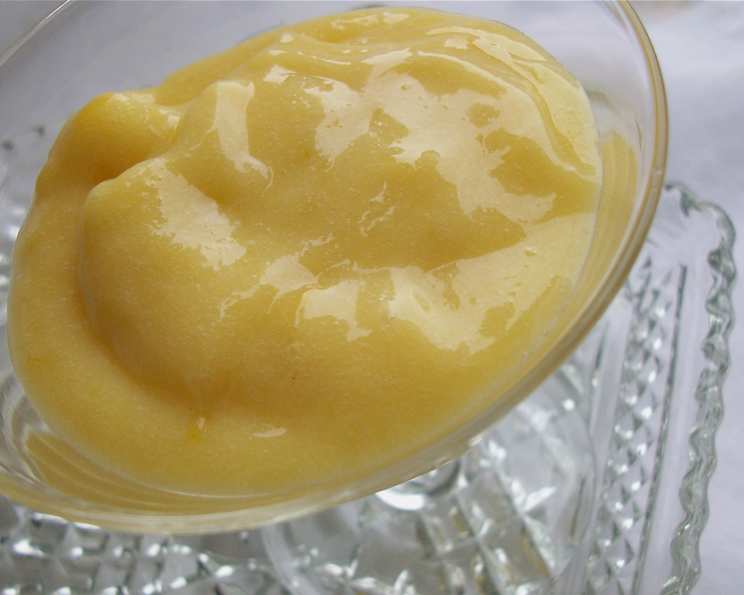
Zesty Sunshine in a Jar: Homemade Grapefruit Curd
The first time I tasted grapefruit curd was at a tiny bakery in the Cotswolds, nestled among rolling green hills. The owner, a rosy-cheeked woman named Agnes, served it on warm scones with clotted cream. The bright, tangy flavor, a perfect balance of sweet and tart, cut through the richness of the cream and the buttery scone. It was a revelation, a jar of sunshine that instantly chased away the dreary British weather, and from that moment on, I was determined to recreate that experience in my own kitchen.
Recipe Overview
- Prep Time: 10 minutes
- Cook Time: 20-30 minutes
- Total Time: 30-40 minutes
- Yields: 1 16-ounce jar
- Dietary Type: Vegetarian
Ingredients
- 5 1/2 tablespoons (2.75 ounces) butter
- 2/3 cup (5.3 ounces) sugar
- 3 large egg yolks, beaten
- 1 large pink grapefruit, grated zest and juice (approximately 1/2 cup juice)
Equipment Needed
- Double boiler (or heatproof bowl and saucepan)
- Whisk
- Spatula
- Sterilized jar
Instructions
-
Prepare a double boiler by filling the bottom pot with about an inch of water. Bring the water to a gentle simmer over medium heat. If you don’t have a double boiler, you can create one by placing a heatproof bowl over a saucepan of simmering water, ensuring the bottom of the bowl doesn’t touch the water.
-
Place the butter and sugar in the top pot of the double boiler (or in the heatproof bowl). Heat over the simmering water, stirring constantly with a whisk, until the butter melts completely and the sugar is dissolved. This usually takes about 5-7 minutes. The mixture should be smooth and free of any sugar granules.
-
Remove the top pot (or bowl) from the heat momentarily. Slowly drizzle the beaten egg yolks into the butter-sugar mixture, whisking constantly and vigorously to prevent the eggs from scrambling. This step is crucial for a smooth curd, so take your time and be patient.
-
Return the pot (or bowl) to the double boiler. Add the grapefruit zest and grapefruit juice to the mixture. Stir continuously with a whisk or a spatula, ensuring you scrape the sides and bottom of the pot/bowl, until the mixture thickens enough to coat the back of a spoon. This process typically takes 20-30 minutes.
-
To test for doneness, dip a spoon into the curd and then run your finger across the back of the spoon. If the line remains distinct and the curd doesn’t run back to fill the gap, it’s ready. The curd should have a smooth, glossy appearance and a slightly wobbly texture.
-
Remove the pot/bowl from the heat. Immediately spoon the grapefruit curd into a warm, sterilized jar. Leave about 1/4 inch of headspace at the top of the jar.
-
Seal the jar tightly with a sterilized lid. Allow the curd to cool completely at room temperature before transferring it to the refrigerator.
-
Refrigerate for at least 2 hours to allow the curd to fully set.
Expert Tips & Tricks
- Preventing Scrambled Eggs: The key to a smooth curd is gentle heat and constant stirring. If you see any signs of the eggs scrambling, immediately remove the pot from the heat and whisk vigorously until the mixture cools slightly.
- Zest with Care: When zesting the grapefruit, be careful not to grate too deeply into the white pith, as it can impart a bitter flavor to the curd. Only zest the colorful outer layer of the peel.
- Adjusting Tartness: Taste the curd towards the end of the cooking process. If you prefer a sweeter curd, add a tablespoon or two of additional sugar. If you prefer a tarter curd, add a squeeze of extra grapefruit juice.
- Sterilizing Jars: To sterilize the jar, wash it thoroughly with hot, soapy water, then place it in a preheated oven at 250°F (120°C) for 10 minutes. Alternatively, you can boil the jar in water for 10 minutes. Ensure the lid is also sterilized.
- Using a Thermometer: For the most accurate results, use a candy thermometer. The curd is ready when it reaches a temperature of 170-175°F (77-79°C).
- Dealing with Lumps: If the curd develops small lumps, don’t panic! Simply strain it through a fine-mesh sieve to remove any imperfections.
Serving & Storage Suggestions
Grapefruit curd is incredibly versatile and can be used in a variety of ways. It’s delicious spread on toast, scones, or muffins. It also makes a wonderful filling for cakes, tarts, and pastries. Try using it as a topping for yogurt or ice cream, or simply enjoy it straight from the jar with a spoon!
Store the grapefruit curd in the refrigerator for up to 1 month. Make sure that your sterilized jar has a tight seal. Because this is a homemade product without preservatives, it does not have the same shelf-life as commercially produced curd. It’s best to use it as soon as possible for the best flavor and texture.
While grapefruit curd is best stored in the refrigerator, it should not be frozen. The freezing and thawing process can change the texture of the curd and make it watery.
Nutritional Information
Here’s an estimate of the nutritional information per serving:
| Nutrient | Amount per Serving | % Daily Value |
|---|---|---|
| Calories | 221 kcal | 11% |
| Total Fat | 16g | 25% |
| Saturated Fat | 10g | 50% |
| Cholesterol | 145mg | 48% |
| Sodium | 39mg | 2% |
| Total Carbohydrate | 18g | 6% |
| Dietary Fiber | 0g | 0% |
| Sugars | 17g | |
| Protein | 2g | 4% |
Note: Nutritional information is an estimate and may vary depending on specific ingredients and portion sizes.
Variations & Substitutions
- Lemon or Orange Curd: Substitute the grapefruit juice and zest with lemon or orange for a classic citrus curd.
- Lime Curd: Use lime juice and zest for a tangy twist.
- Blood Orange Curd: Blood oranges offer a beautiful color and slightly different flavor profile.
- Vegan Grapefruit Curd: This recipe can be adapted to be vegan with a few substitutions. Replace the butter with vegan butter and the egg yolks with cornstarch or agar-agar. You’ll need to experiment with the quantities to achieve the desired consistency.
- Honey Substitution: Replace some of the sugar with honey for a more complex sweetness.
FAQs (Frequently Asked Questions)
Q: Why is my grapefruit curd not thickening?
A: Ensure your double boiler is properly set up with simmering water. Be patient and continue stirring constantly. It can take up to 30 minutes for the curd to thicken. If it’s still not thickening, you may need to increase the heat slightly, but be careful not to scramble the eggs.
Q: Can I use a different type of sugar?
A: Granulated sugar works best in this recipe. Other sugars, such as brown sugar or honey, can be used, but they may alter the flavor and texture of the curd.
Q: How do I know if the jar is properly sterilized?
A: A properly sterilized jar should be heated in the oven or boiled for at least 10 minutes. The lid should also be sterilized. This will help prevent the growth of bacteria and extend the shelf life of the curd.
Q: My curd is too tart. How can I fix it?
A: Add a tablespoon or two of extra sugar and stir well until dissolved. Taste and adjust as needed.
Q: Can I make this curd without a double boiler?
A: Yes, you can use a heatproof bowl set over a saucepan of simmering water, ensuring the bowl doesn’t touch the water. This creates a makeshift double boiler.
Final Thoughts
Homemade grapefruit curd is a delightful treat that’s surprisingly easy to make. The bright, zesty flavor is a welcome addition to any breakfast, brunch, or dessert. Don’t be intimidated by the process – with a little patience and attention to detail, you’ll be rewarded with a jar of sunshine that you can enjoy for weeks to come. I encourage you to give this recipe a try and experiment with different variations to find your perfect flavor combination. Pair it with a cup of Earl Grey tea for a truly exquisite experience. Let me know how it turns out, and share your own creative ways to enjoy this vibrant curd!