
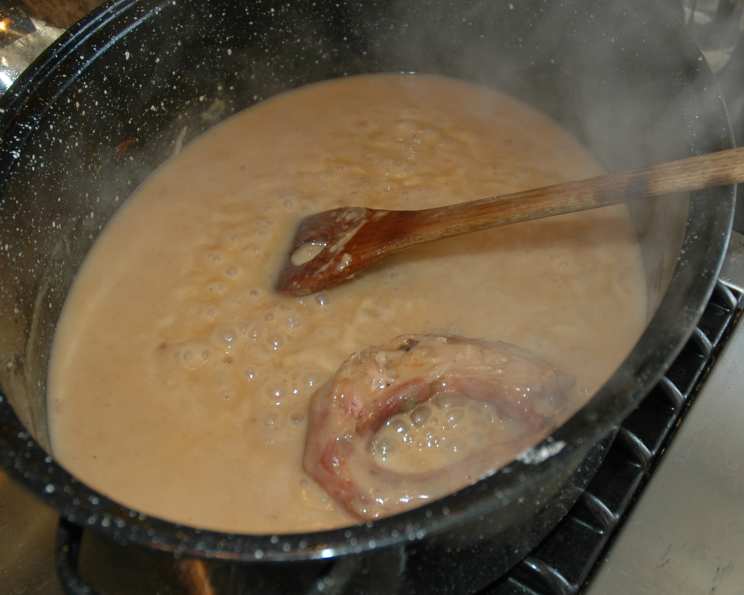
Mastering the Mother Sauces: Gravy, Brown Sauce, and White Sauce
I remember the first time I attempted gravy. It was Thanksgiving, and my grandmother, the undisputed queen of holiday feasts, had entrusted me with a seemingly simple task. I envisioned a smooth, luscious cascade of savory goodness, but what emerged from the pan was a lumpy, pale concoction that resembled wallpaper paste more than gravy. Despite the initial disaster, my grandmother, ever the patient teacher, guided me through the process, revealing the secrets to achieving that perfect, velvety texture. It was a lesson not just in cooking, but in patience, persistence, and the transformative power of a well-made sauce. From that day forward, I was hooked, determined to master the art of sauce-making.
Recipe Overview: A Trio of Culinary Essentials
- Prep Time: 5 minutes
- Cook Time: 15-20 minutes
- Total Time: 20-25 minutes
- Yields: 6 cups
- Serves: 12
- Dietary Type: Varies (see variations)
Ingredients: The Foundation of Flavor
- 1/3 cup meat drippings or 1/3 cup butter
- 1/3 cup flour
- 6 cups water (or milk for white sauce, adjust to taste)
- 1/4 teaspoon salt, to taste
- 1/4 teaspoon pepper, to taste (optional)
Equipment Needed
- Large measuring cup
- Large skillet or saucepan
- Whisk
Instructions: Building Blocks of Deliciousness
This recipe offers a versatile base for gravy, brown sauce, and white sauce. The key lies in mastering the roux, the foundation of all three.
-
Prepare the Liquid: Fill a large measuring cup with water (or milk, for white sauce) and set it aside. Having it ready will ensure a smooth sauce.
-
Deglaze the Pan (for gravy): If you’re making gravy from pan drippings (after roasting a turkey or chicken), place the roasting pan on the stovetop over medium heat. This allows you to capture all the flavorful bits stuck to the bottom of the pan. Let any excess water evaporate, leaving behind the valuable fat and browned fond. This step is essential for a rich, flavorful gravy.
-
Create the Roux: Add an amount of flour roughly equal to the amount of fat in the pan. The ratio of fat to flour is crucial for a proper roux, which will thicken the sauce.
-
Cook the Roux: Stir the flour and fat constantly using a whisk. Adjust the heat to medium-low if necessary to prevent burning. The cooking time depends on the desired sauce:
- Gravy: Cook the roux for just a few minutes, until it no longer smells raw.
- Brown Sauce: Continue cooking the roux until it turns a medium brown color, stirring constantly. This will take longer and requires close attention to prevent burning. The darker the roux, the richer and more complex the flavor.
- White Sauce: Cook the roux until it turns from white to a very light golden color. Do not overcook.
-
Incorporate the Liquid: Slowly add the water or milk to the roux, whisking continuously. Add the liquid gradually to prevent lumps from forming. Continue whisking until the sauce is smooth.
-
Simmer and Thicken: Bring the sauce to a simmer over medium heat, stirring occasionally. Continue to cook for at least 10 minutes to ensure there is no raw flour taste. The sauce will thicken as it simmers.
-
Adjust Consistency: If the sauce becomes too thick, add more water or milk to reach your desired consistency. Thicker gravies can become pasty, so err on the side of slightly thinner. If the sauce is too thin, continue simmering it, uncovered, to allow excess liquid to evaporate.
-
Season to Taste: Season the sauce with salt and pepper to taste. Remember that salt enhances the other flavors, so add it gradually and taste frequently.
-
Strain (optional): For an extra-smooth sauce, strain it through a fine-mesh sieve before serving.
Expert Tips & Tricks
- Temperature Control is Key: The most common mistake is burning the roux. Keep the heat at medium-low and stir constantly.
- Deglaze with Wine or Stock: For a more complex flavor, deglaze the pan with a splash of dry red wine or beef broth before adding the water.
- Infuse with Aromatics: Add a bay leaf, sprig of thyme, or crushed garlic clove to the sauce while it simmers for added depth. Remember to remove them before serving.
- Make-Ahead Gravy: Gravy can be made ahead of time and reheated gently. To prevent a skin from forming on the surface, press a piece of plastic wrap directly onto the gravy while it cools.
- Fixing Lumpy Gravy: If your gravy is lumpy, try whisking it vigorously or using an immersion blender to smooth it out. You can also strain it through a fine-mesh sieve.
- Substitute Cornstarch: For a gluten-free option, use cornstarch instead of flour to thicken the sauce. Mix the cornstarch with a small amount of cold water to create a slurry before adding it to the pan.
Serving & Storage Suggestions
Gravy is best served hot, spooned generously over roasted meats, mashed potatoes, or biscuits. Brown sauce is a classic accompaniment to steak, sausages, and other savory dishes. White sauce forms the base for many cream-based dishes, such as macaroni and cheese, creamed spinach, and gratins.
Leftover gravy, brown sauce, or white sauce can be stored in an airtight container in the refrigerator for up to 3 days. To reheat, gently warm the sauce over low heat, stirring occasionally. You may need to add a little water or milk to thin it out. The sauce can also be frozen for up to 2 months. Thaw it overnight in the refrigerator before reheating.
Nutritional Information (Approximate)
| Nutrient | Amount per Serving | % Daily Value |
|---|---|---|
| Calories | 45 kcal | 2% |
| Total Fat | 3g | 5% |
| Saturated Fat | 2g | 10% |
| Cholesterol | 8mg | 3% |
| Sodium | 75mg | 3% |
| Total Carbohydrate | 3g | 1% |
| Dietary Fiber | 0g | 0% |
| Sugars | 0g | 0% |
| Protein | 1g | 2% |
Note: Nutritional information is an estimate and will vary based on specific ingredients and preparation methods.
Variations & Substitutions
- Vegetarian Gravy: Use vegetable broth instead of water for a vegetarian gravy. You can also add sautéed mushrooms and onions for a richer flavor.
- Dairy-Free White Sauce: Use non-dairy milk, such as almond milk, soy milk, or oat milk, to make a dairy-free white sauce. Be aware that some non-dairy milks may have a slightly different flavor and consistency.
- Gluten-Free Gravy: As mentioned before, substitute cornstarch or a gluten-free flour blend for the wheat flour.
- Herb-Infused Gravy: Add fresh herbs, such as thyme, rosemary, or sage, to the gravy while it simmers.
- Spicy Gravy: Add a pinch of cayenne pepper or a dash of hot sauce to the gravy for a spicy kick.
- Mushroom Gravy: Sauté sliced mushrooms in butter or drippings before adding the flour.
FAQs (Frequently Asked Questions)
Q: Why is my gravy lumpy?
A: Lumpy gravy is usually caused by adding the liquid too quickly to the roux. Make sure to add the liquid slowly, whisking constantly, to prevent lumps from forming.
Q: How do I fix gravy that is too thin?
A: Continue simmering the gravy, uncovered, over low heat to allow excess liquid to evaporate. You can also whisk in a small amount of cornstarch slurry (cornstarch mixed with cold water) to thicken it.
Q: Can I make gravy without drippings?
A: Yes, you can make gravy using butter or other cooking oil. The flavor will be slightly different, but still delicious.
Q: How long does gravy last in the refrigerator?
A: Gravy can be stored in an airtight container in the refrigerator for up to 3 days.
Q: Can I freeze gravy?
A: Yes, gravy can be frozen for up to 2 months. Thaw it overnight in the refrigerator before reheating.
Final Thoughts
Mastering gravy, brown sauce, and white sauce opens up a world of culinary possibilities. With a few simple ingredients and techniques, you can create delicious and versatile sauces that will elevate your cooking to the next level. Don’t be afraid to experiment with different flavors and variations to create your own signature sauces. Now, grab your whisk and get cooking! And please, share your feedback – I’m always eager to learn new tips and tricks from fellow sauce enthusiasts. These sauces are also delicious with a perfectly roasted chicken and a crisp glass of Sauvignon Blanc.