
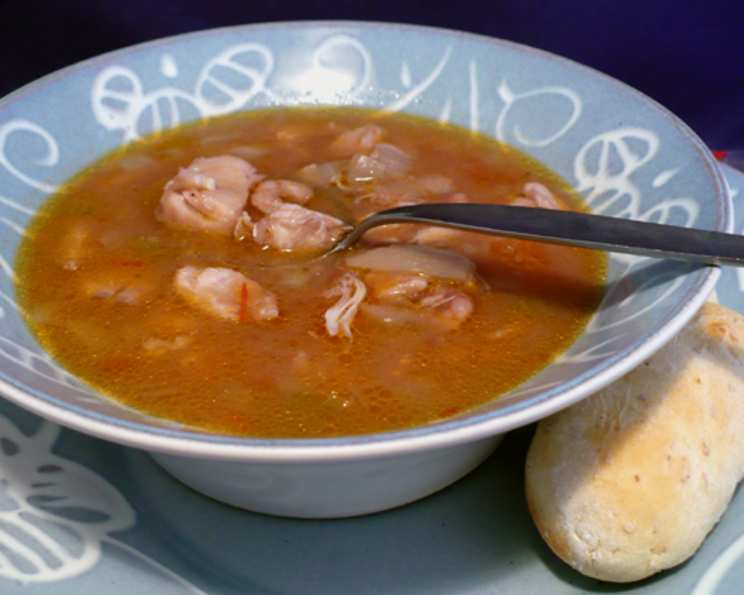
Kakkavi: A Taste of the Aegean in Every Bowl
I remember my first trip to Greece like it was yesterday. The sun-drenched beaches, the ancient ruins whispering stories of empires past, and, of course, the food. But it wasn’t the moussaka or souvlaki that truly captured my heart; it was a simple fish stew, Kakkavi, served in a humble taverna overlooking the turquoise Aegean Sea. The briny aroma, the tender chunks of fish, and the warmth that spread through me with each spoonful – it was pure magic. I knew then and there that I needed to learn how to recreate this taste of Greece back home.
Recipe Overview: Greek Fish Chowder (Kakkavi)
- Prep Time: 20 minutes
- Cook Time: 45 minutes
- Total Time: 1 hour 5 minutes
- Servings: 4-6
- Yield: 1 soup pot
- Dietary Type: Dairy-Free
Ingredients
- 1/4 cup olive oil
- 3 medium yellow onions, peeled and chopped
- 2 garlic cloves, chopped fine
- 2 (1 lb) cans peeled tomatoes, coarsely chopped
- 4 celery ribs, chopped
- 2 teaspoons salt
- 1/8 teaspoon cayenne pepper
- 1 bay leaf
- 1/2 cup dry red wine
- 4 cups water
- 1 lb whitefish boneless fillets, such as cod, haddock, or bass, cut into 1-inch pieces
Optional Shellfish (up to 1/2 lb total, combined):
- Clams, rinsed
- Mussels, scrubbed clean and rinsed
- Crab meat
- Scallops
- Shrimp, peeled and deveined
- Squid, cleaned and cut into 1/2-inch circles
Equipment Needed
- 6-quart heavy stockpot or Dutch oven
- Cutting board
- Chef’s knife
Instructions
-
Begin by heating the olive oil in your 6-quart heavy stockpot or Dutch oven over medium heat. This provides a flavorful base for the entire chowder.
-
Add the chopped yellow onions and finely chopped garlic to the pot. Sauté them until they become translucent and fragrant, about 5 minutes. This process mellows the onion’s sharpness and allows the garlic to release its aromatic oils, building a foundation of flavor. Be careful not to burn the garlic.
-
Incorporate the coarsely chopped canned tomatoes, chopped celery ribs, salt, cayenne pepper, and bay leaf into the pot. The tomatoes will provide the body of the stew, while the celery adds a subtle vegetal note, the salt seasons everything, and the cayenne provides a gentle warmth. The bay leaf contributes a deep, earthy aroma.
-
Pour in the dry red wine and water. The red wine adds depth and complexity to the broth, while the water ensures there’s enough liquid for the soup to simmer properly.
-
Bring the mixture to a simmer, then reduce the heat to low. Cover and continue to simmer, uncovered, for about 30 minutes, or until the sauce has thickened and the flavors have melded together beautifully. This simmering time is crucial for creating a rich and full-flavored broth.
-
Now, carefully add the whitefish fillets. Depending on your preference (and what is freshest at the market), you can use cod, haddock, or bass. Cut the fillets into 1-inch pieces for even cooking.
-
If using any of the optional shellfish, add them in the order of cooking time, giving each type a moment to cook before adding the next. Clams will generally take the longest, followed by mussels, crab, scallops, shrimp, and finally, squid, which cooks very quickly. This ensures that all the seafood is cooked perfectly without becoming rubbery. For example, add the clams first, wait a few minutes until they begin to open, then add mussels, and so on. Discard any clams or mussels that do not open after cooking.
-
Simmer gently until all the seafood is cooked through. The fish should be opaque and flaky, and the shellfish should be open and tender. Avoid overcooking the seafood, as it can become tough and dry. This will take another 5-10 minutes depending on the size of the fish and shellfish pieces.
-
Remove the bay leaf before serving.
-
Season to taste with additional salt and pepper as needed.
Expert Tips & Tricks
- Make Ahead: The base of the soup (before adding the fish and shellfish) can be made a day or two in advance and stored in the refrigerator. This allows the flavors to develop even further.
- Fish Stock Boost: For an even richer flavor, substitute half of the water with fish stock or fumet.
- Thickening: If you prefer a thicker chowder, you can mash a small portion of the cooked potatoes or use a cornstarch slurry (1 tablespoon cornstarch mixed with 2 tablespoons cold water) to thicken the broth. Add the slurry slowly, stirring constantly, until you reach your desired consistency.
- Spice Level: Adjust the amount of cayenne pepper to your liking. For a milder chowder, omit it altogether.
- Lemon Zest: A small amount of lemon zest added towards the end of cooking brightens the flavors.
- Don’t Overcrowd: When adding the seafood, make sure not to overcrowd the pot. If necessary, cook the seafood in batches to ensure even cooking.
Serving & Storage Suggestions
Serve the Kakkavi hot, ladled into bowls. A side of crusty bread is perfect for soaking up the flavorful broth. A simple green salad with a lemon vinaigrette complements the richness of the chowder. A sprinkle of fresh parsley or dill adds a pop of color and freshness.
Leftovers can be stored in an airtight container in the refrigerator for up to 2 days. Reheat gently over low heat or in the microwave. The seafood may become slightly tougher upon reheating, so it’s best enjoyed fresh. Freezing is not recommended, as the texture of the seafood can deteriorate.
Nutritional Information
Note: Nutritional information is an estimate and may vary based on specific ingredients and portion sizes.
| Nutrient | Amount per Serving | % Daily Value |
|---|---|---|
| Calories | 320 kcal | 16% |
| Total Fat | 18g | 28% |
| Saturated Fat | 4g | 20% |
| Cholesterol | 75mg | 25% |
| Sodium | 950mg | 40% |
| Total Carbohydrate | 20g | 7% |
| Dietary Fiber | 5g | 20% |
| Sugars | 8g | |
| Protein | 25g | 50% |
Variations & Substitutions
- Gluten-Free: Serve with gluten-free bread or crackers.
- Vegetarian/Vegan: Substitute the fish and shellfish with firm tofu or tempeh for a vegetarian option. Use vegetable broth instead of water.
- Regional Variations: Experiment with different herbs and spices, such as oregano, thyme, or smoked paprika, to create your own unique twist.
- Mediterranean Diet Friendly: Ensure you are using heart-healthy olive oil and plenty of vegetables.
FAQs (Frequently Asked Questions)
Q: Can I use frozen fish in this recipe?
A: Yes, you can use frozen fish, but be sure to thaw it completely before adding it to the chowder. Pat it dry with paper towels to remove excess moisture.
Q: What type of white wine is best for this recipe?
A: While the original recipe calls for red wine, you can substitute a dry white wine like Sauvignon Blanc or Pinot Grigio for a lighter flavor.
Q: How can I prevent the fish from falling apart during cooking?
A: Avoid overcooking the fish and add it towards the end of the simmering process. Gently stir the chowder to avoid breaking the fish into smaller pieces.
Q: Can I add potatoes to this chowder?
A: Absolutely! Small, diced potatoes can be added along with the celery for a heartier chowder. Add about 1 pound of potatoes and adjust cooking time as necessary.
Q: Is it necessary to add shellfish?
A: No, the shellfish is optional. The chowder is delicious with just the whitefish, but the shellfish adds another layer of flavor and texture.
Final Thoughts
Kakkavi is more than just a fish stew; it’s a taste of the Mediterranean, a reminder of sunny days and the gentle rhythm of the sea. This recipe offers a simple yet profound way to bring the flavors of Greece into your own kitchen. I encourage you to try this recipe, experiment with the variations, and make it your own. Share your Kakkavi with friends and family, and let the warmth of this Aegean-inspired chowder transport you to a place of sunshine and tranquility. Kali Orexi! (Bon appétit!)