
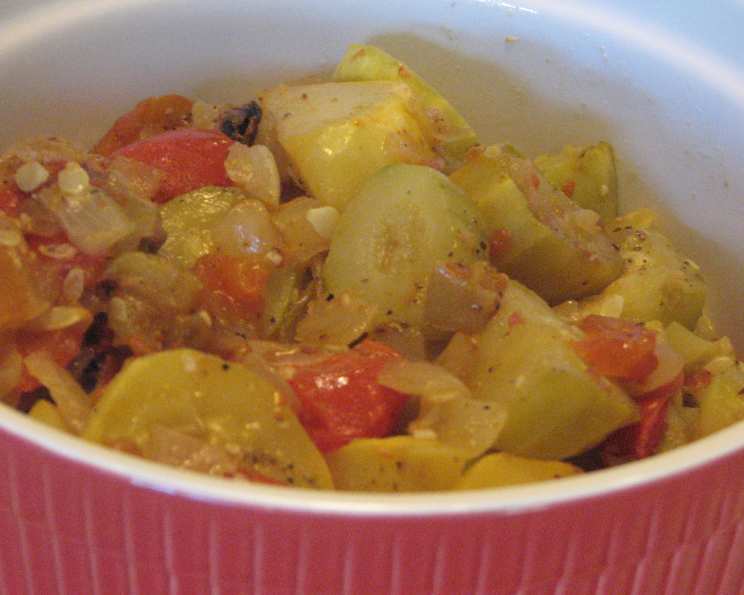
Greek-Style Summer Squash: A Taste of the Mediterranean Sun
The scent of dill always takes me back to my Yiayia’s (grandmother’s) kitchen. Her garden, bursting with vibrant summer squash, fueled her culinary masterpieces. One of my fondest memories is sitting on her porch, the warm Aegean breeze rustling through the grapevines, as she prepared this simple yet deeply satisfying summer squash dish. The soft, fragrant squash, simmered with tomatoes and infused with garlic and dill, was pure comfort food, a true taste of summer on a plate. This recipe is a lighter version of her classic, retaining all the essential flavors without the heavy dose of olive oil, making it perfect for a quick and healthy weeknight meal.
Recipe Overview
- Prep Time: 10 minutes
- Cook Time: 40 minutes
- Total Time: 50 minutes
- Servings: 4-6
- Dietary Type: Vegetarian, Gluten-Free, Dairy-Free
Ingredients
- 1 tablespoon olive oil
- 1 tablespoon chopped garlic
- 6 summer squash, sliced 3/8 inch thick (approximately 6 inches in length each)
- 1 Roma tomato, chopped
- Salt and pepper to taste
- Cayenne to taste (optional)
- 1 teaspoon dried dill weed
Equipment Needed
- Large cast-iron skillet with a tight-fitting lid
- Non-stick cooking spray
Instructions
-
Prepare a large cast-iron skillet with non-stick cooking spray. This will help prevent sticking, especially in the early stages of cooking.
-
Place the skillet on a very low-heat burner. It’s crucial to maintain a low temperature to prevent the garlic from burning and allow the squash to cook gently and evenly.
-
Add the olive oil and chopped garlic to the skillet. Let the garlic sizzle very gently for about a minute, releasing its fragrant aroma without browning.
-
Add the sliced summer squash to the skillet, arranging it in a single layer if possible.
-
Sprinkle the chopped tomato evenly over the squash. The tomatoes will release their juices and contribute to the sauce.
-
Cook the squash, uncovered, for 10 minutes. Do not stir during this time. This allows the squash to begin to soften and slightly caramelize on the bottom.
-
Cover the skillet with the tight-fitting lid and continue to cook for 30 minutes. Again, do not stir. Ensure the heat remains low enough to prevent burning. The squash will steam in its own juices, becoming very tender.
-
Don’t be alarmed if one side of the squash has browned during cooking; this is desirable and adds to the flavor.
-
Uncover the skillet and stir carefully. The squash should be very tender at this point; avoid breaking it up too much while stirring.
-
Increase the heat to medium. Continue cooking, stirring gently occasionally, until the liquid has evaporated, and the squash has reached the consistency of a chunky puree. This may take another 5-10 minutes.
-
Remove the skillet from the heat.
-
Season the squash with salt, pepper, and cayenne (if using) to taste. Adjust the seasoning to your preference.
-
Add the dried dill weed and stir to incorporate it evenly. The dill will infuse the squash with its distinctive flavor.
-
Serve the Greek-style summer squash immediately.
Expert Tips & Tricks
- Garlic is King: Don’t rush the garlic. Cooking it gently in the olive oil is essential to releasing its flavor without burning it. Burnt garlic can make the whole dish bitter.
- Low and Slow: The key to perfectly cooked summer squash is low and slow cooking. This allows the squash to become incredibly tender and flavorful. Rushing the process will result in tough, unevenly cooked squash.
- Salt is Your Friend: Don’t be afraid to season generously with salt. Salt helps to draw out the moisture from the squash, which contributes to the sauce.
- Spice It Up: For a bolder flavor, add a pinch of red pepper flakes along with the cayenne.
- Fresh Herbs: While the recipe calls for dried dill, fresh dill takes the flavor to another level. If you have fresh dill on hand, use about 2 tablespoons of chopped fresh dill instead of the dried dill. Add it at the very end of cooking to preserve its flavor and aroma.
- Texture Matters: The final texture should be a chunky puree. Avoid over-stirring and breaking down the squash too much.
- Make Ahead: You can prepare this dish ahead of time and reheat it gently before serving. The flavors will meld together even more as it sits.
Serving & Storage Suggestions
Serve this Greek-style summer squash immediately as a side dish or a light meal. It pairs perfectly with grilled chicken, fish, or lamb. You can also serve it with a dollop of Greek yogurt (if not dairy-free) or crumbled feta cheese for added richness and flavor.
Leftovers can be stored in an airtight container in the refrigerator for up to 3 days. To reheat, gently warm the squash in a skillet over low heat, stirring occasionally, or microwave until heated through. You can also freeze the cooked squash for up to 2 months. Thaw it overnight in the refrigerator before reheating.
Nutritional Information
Note: Nutritional information is an estimate and may vary based on specific ingredients and serving sizes.
| Nutrient | Amount per Serving | % Daily Value |
|---|---|---|
| Calories | 95 kcal | 5% |
| Total Fat | 5g | 6% |
| Saturated Fat | 0.7g | 3% |
| Cholesterol | 0 mg | 0% |
| Sodium | 15 mg | 1% |
| Total Carbohydrate | 12g | 4% |
| Dietary Fiber | 4g | 16% |
| Sugars | 7g | – |
| Protein | 3g | 6% |
Variations & Substitutions
- Add Zucchini: Feel free to add zucchini along with the summer squash for a more diverse flavor profile.
- Lemon Zest: Grate some lemon zest into the dish for a bright, citrusy note.
- Onion: Sauté some chopped onion along with the garlic for a deeper, more complex flavor.
- Bell Peppers: Add chopped bell peppers (any color) for added sweetness and texture.
- Herbs: Experiment with different herbs like oregano, thyme, or parsley to create your own unique flavor combination.
- Vegan Cheese: For a vegan “cheesy” flavor, sprinkle with nutritional yeast before serving.
- Spicy: If you like it spicy, increase the amount of cayenne pepper or add a pinch of red pepper flakes.
FAQs (Frequently Asked Questions)
Q: Can I use different types of summer squash for this recipe?
A: Absolutely! Yellow squash, zucchini, and pattypan squash all work well. The key is to slice them to a similar thickness to ensure even cooking.
Q: Can I use fresh tomatoes instead of Roma tomatoes?
A: Yes, any ripe, flavorful tomatoes will work. Just be sure to chop them before adding them to the skillet.
Q: Can I skip the cayenne pepper if I don’t like spicy food?
A: Definitely! The cayenne pepper is optional and only adds a hint of heat. Feel free to omit it if you prefer a milder flavor.
Q: How do I know when the squash is done cooking?
A: The squash is done when it is very tender and easily pierced with a fork. The liquid in the skillet should also have mostly evaporated, leaving a chunky puree.
Q: Can I add other vegetables to this dish?
A: Yes, feel free to add other vegetables like onions, bell peppers, or eggplant to create your own unique variation. Just be sure to adjust the cooking time as needed.
Final Thoughts
This Greek-style Summer Squash recipe is a testament to the power of simple ingredients transformed into a flavorful and satisfying dish. The combination of tender squash, fragrant garlic, sweet tomatoes, and herbaceous dill is a true taste of the Mediterranean. I encourage you to try this recipe and experience the warmth and comfort it brings. Don’t be afraid to experiment with variations and make it your own. I’d love to hear your feedback and see how you put your own spin on this classic dish. Enjoy!