
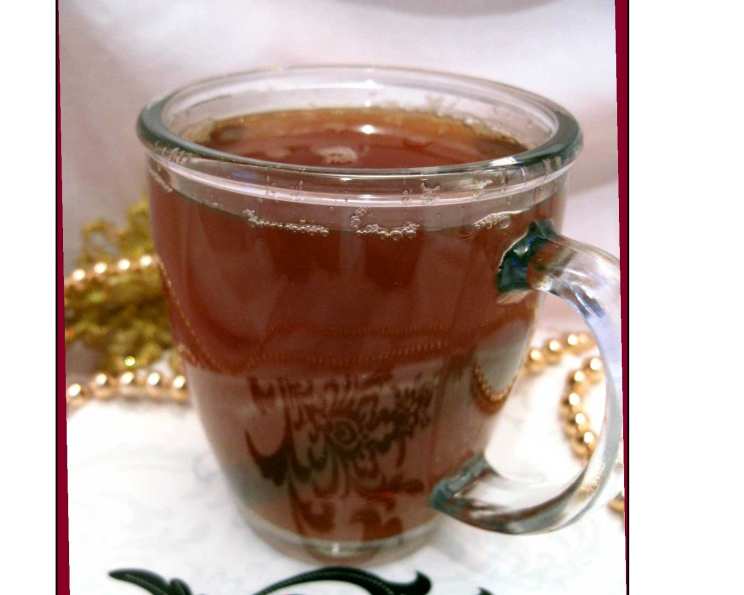
Green Fennel Seeds Tea: A Soothing Elixir
I remember distinctly the first time I tasted fennel tea. It wasn’t in a fancy teahouse or a sun-drenched café, but rather in my grandmother’s humble kitchen. She’d crush a few fennel seeds with her weathered hands, the aroma filling the air – a sweet, licorice-like scent that promised comfort and ease. She brewed it not just as a beverage, but as a remedy for everything from indigestion to a restless mind. That simple cup of tea, shared amidst stories and laughter, became a symbol of her love and care, a tradition I cherish to this day.
Recipe Overview
- Prep Time: 2 minutes
- Cook Time: 3 minutes
- Total Time: 5 minutes
- Servings: 1
- Yield: 1 cup
- Dietary Type: Vegan, Gluten-Free, Dairy-Free
Ingredients
- 1 ½ cups water
- ¾ teaspoon fennel seed, crushed
- 1 teaspoon sugar (optional)
- ¾ teaspoon tea leaves (or 1 teabag)
Equipment Needed
- Small saucepan
- Mug or teacup
- Spoon
- Mortar and pestle (optional, for crushing fennel seeds)
Instructions
-
In a small saucepan, bring the water to a boil over medium-high heat.
-
Once the water is boiling, add the crushed fennel seeds. Reduce the heat slightly and let the mixture simmer for 2-3 minutes. This allows the flavorful oils of the fennel seeds to infuse into the water.
-
After simmering, add the tea leaves (or a teabag) to the saucepan. Turn off the heat completely.
-
Let the tea steep for a minute or two. This allows the tea leaves to release their flavor and color. Remember, longer steeping times can result in a more bitter flavor, so adjust to your preference.
-
Strain the tea through a fine-mesh sieve or remove the teabag. Pour the hot tea into your favorite mug.
-
Add sugar, if desired, and stir well until dissolved. Taste and adjust sweetness to your liking.
-
Serve immediately and enjoy the soothing warmth and delicate licorice flavor of your green fennel seed tea.
Expert Tips & Tricks
- Crush the fennel seeds fresh: For the most intense flavor, crush the fennel seeds just before brewing. This releases their aromatic oils, maximizing their impact on the tea. A mortar and pestle is ideal, but you can also use a spice grinder or even crush them gently between two spoons.
- Don’t over-boil: Boiling the fennel seeds for too long can result in a slightly bitter taste. Aim for a gentle simmer.
- Adjust the tea strength: The amount of tea leaves you use will determine the strength of the tea. Start with ¾ teaspoon and adjust to your liking. If you’re using a teabag, follow the instructions on the packaging.
- Experiment with steeping times: Steeping the tea leaves for too long can make the tea bitter. Start with a minute or two and adjust to your preference.
- Add a pinch of salt: A tiny pinch of salt can actually enhance the sweetness of the tea and balance the flavors. Try it and see if you like it!
- Infuse with other herbs: Experiment with adding other herbs like ginger, lemon balm, or mint to create a unique and personalized tea blend.
- For a stronger fennel flavor: Lightly toast the fennel seeds in a dry pan before crushing them. This will intensify their flavor and add a nutty note to the tea. Be careful not to burn them!
Serving & Storage Suggestions
Green fennel seed tea is best served hot and fresh, allowing you to fully appreciate its aroma and flavor. It’s a perfect beverage for a relaxing afternoon, a soothing evening ritual, or as a gentle digestive aid after a meal.
Leftover tea can be stored in the refrigerator for up to 24 hours. However, the flavor may diminish slightly over time. Reheat gently on the stovetop or in the microwave before serving. Avoid boiling the tea again, as this can further alter its flavor. While refrigeration is possible, this tea is truly at its best when consumed immediately after brewing.
Nutritional Information
| Nutrient | Amount per Serving | % Daily Value |
|---|---|---|
| Calories | ~5 kcal | <1% |
| Total Fat | ~0 g | 0% |
| Saturated Fat | ~0 g | 0% |
| Cholesterol | ~0 mg | 0% |
| Sodium | ~1 mg | 0% |
| Total Carbohydrate | ~1 g | <1% |
| Dietary Fiber | ~0.5 g | 2% |
| Sugars | ~1 g (if added) | – |
| Protein | ~0 g | 0% |
Note: Nutritional information is an estimate and may vary based on specific ingredients and preparation methods.
Variations & Substitutions
- Honey instead of Sugar: For a more natural sweetness, substitute honey for sugar. Start with a teaspoon and adjust to taste. Honey also adds a subtle floral note to the tea.
- Agave Nectar: Another natural sweetener option with a lower glycemic index.
- Spice it up!: Add a small piece of ginger to the water while boiling for a warming and spicy kick.
- Citrus Zest: Add a small piece of lemon or orange zest for a bright and refreshing flavor.
- Minty Fresh: Add a few fresh mint leaves along with the tea leaves for a cooling and refreshing twist.
- Milk Alternatives: For a creamier tea, add a splash of your favorite milk alternative, such as almond milk, soy milk, or oat milk. Be mindful that some milk alternatives may alter the flavor profile of the tea.
- Rooibos Base: If you prefer a naturally caffeine-free tea base, substitute rooibos tea for traditional black or green tea leaves.
- Iced Fennel Tea: Brew a stronger batch of the tea, let it cool completely, and then pour it over ice for a refreshing summer beverage. Add a slice of lemon or orange for extra flavor.
FAQs (Frequently Asked Questions)
Q: What are the health benefits of fennel seeds?
A: Fennel seeds are known for their digestive properties and can help relieve bloating, gas, and indigestion. They are also a good source of antioxidants and may have anti-inflammatory effects.
Q: Can I use fennel bulb instead of seeds?
A: While you can infuse the fennel bulb, the flavor will be much milder than using the seeds. The seeds contain a more concentrated amount of the aromatic compounds that give fennel its distinctive taste.
Q: Can I make this tea ahead of time?
A: While it’s best enjoyed fresh, you can brew the tea ahead of time and store it in the refrigerator for up to 24 hours. However, the flavor may diminish slightly over time.
Q: Is it safe to drink fennel tea during pregnancy?
A: It’s always best to consult with your doctor or midwife before consuming herbal teas during pregnancy, as some herbs may have contraindications.
Q: How often can I drink fennel seed tea?
A: Fennel seed tea is generally safe to drink daily in moderation. However, if you experience any adverse effects, discontinue use. One or two cups a day is a good starting point.
Final Thoughts
I hope this recipe inspires you to explore the simple yet profound pleasure of a cup of green fennel seed tea. It’s more than just a beverage; it’s a moment of tranquility, a soothing balm for the body and mind, and a connection to traditions passed down through generations. Don’t hesitate to experiment with variations and find your perfect blend. Brew a cup, relax, and let the aromatic warmth envelop you. And if you discover a new favorite variation, be sure to share it with me – I’m always eager to learn from fellow tea enthusiasts!