
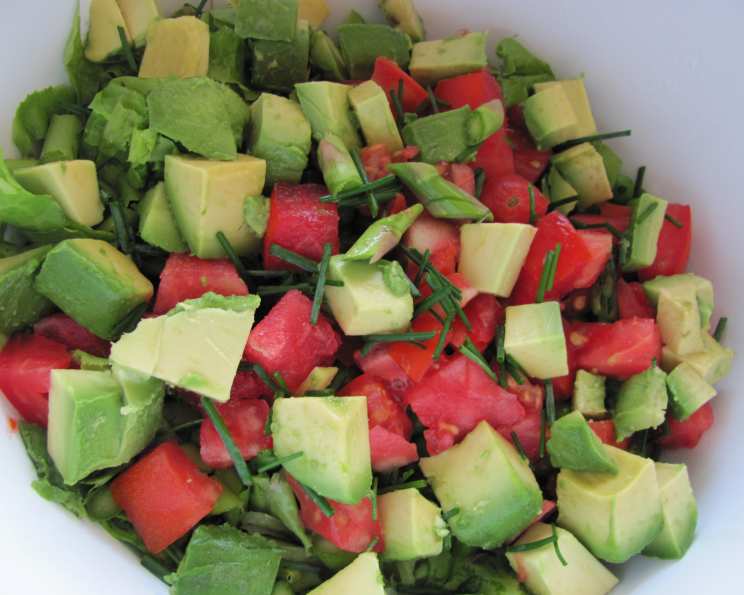
Green Salad with Asparagus and Peas: A Taste of Spring
I remember one sun-drenched afternoon in Stockholm. The air was crisp, carrying the scent of blooming lilacs, and a small café beckoned me inside. It was there, amidst the gentle murmur of Swedish conversations, that I had my first taste of a salad quite like this one. The simplicity of fresh, bright greens, the subtle sweetness of peas, and the delicate crunch of raw asparagus – it was a revelation. It wasn’t just a salad; it was springtime on a plate, a moment of pure culinary bliss that I’ve been chasing ever since.
Recipe Overview
- Prep Time: 15 minutes
- Cook Time: 0 minutes
- Total Time: 15 minutes
- Servings: 8
- Dietary Type: Vegetarian, Vegan, Gluten-Free
Ingredients
- 2 teaspoons freshly grated lemon zest
- ¼ cup lemon juice
- ¼ cup canola oil (may sub extra-virgin olive oil)
- 1 teaspoon sugar (may sub Splenda)
- ½ teaspoon salt
- ¼ teaspoon fresh ground pepper
- 2 heads bibb lettuce, torn into bite-size pieces (may sub Boston lettuce)
- 2 cups very thinly sliced fresh asparagus
- 2 cups shelled fresh peas (may sub thawed previously frozen peas)
- 1 pint grape tomatoes, halved
- 2 tablespoons minced chives (may sub scallion greens)
- ½ avocado, cubed (optional, but a great addition)
Equipment Needed
- Large salad bowl
- Knife
- Cutting board
- Grater (for lemon zest)
Instructions
-
In a large salad bowl, combine the lemon zest, lemon juice, canola oil (or olive oil), sugar (or Splenda), salt, and pepper. This forms the base of your vibrant dressing. Whisk together thoroughly to ensure the sugar and salt are fully dissolved.
-
Add the bibb lettuce (or Boston lettuce), making sure it’s been torn into manageable, bite-sized pieces. The delicate nature of bibb lettuce makes it perfect for this salad, but Boston lettuce will work just as well.
-
Next, add the very thinly sliced fresh asparagus. If you find raw asparagus too intense, consider lightly blanching it in boiling water for about 30 seconds, then immediately plunging it into ice water to stop the cooking process and retain its vibrant green color and crispness. Ensure the asparagus is very thinly sliced. Thicker pieces might be too tough to enjoy raw.
-
Incorporate the shelled fresh peas (or thawed previously frozen peas). Fresh peas are ideal for their sweetness and tenderness, but frozen peas are a perfectly acceptable and convenient substitute. Ensure that the peas are fully thawed if using frozen ones, and pat them dry to remove excess moisture.
-
Add the halved grape tomatoes. The sweetness of the grape tomatoes adds a delightful burst of flavor and color to the salad. Cherry tomatoes also work well if you can’t find grape tomatoes.
-
Toss in the minced chives (or scallion greens). Chives add a subtle oniony flavor that complements the other ingredients beautifully. Scallion greens offer a similar flavor profile and can be used as a substitute.
-
If using, gently add the cubed avocado. The creamy texture of the avocado adds a wonderful richness to the salad, making it more satisfying. Be sure to add it just before serving to prevent it from browning.
-
Finally, toss all the ingredients together gently to ensure that everything is evenly coated with the lemon vinaigrette. Be careful not to over-dress the salad, as this can make it soggy.
Expert Tips & Tricks
-
Asparagus Prep: For a slightly milder asparagus flavor, consider quickly blanching the asparagus spears in boiling water for 30 seconds, then shocking them in ice water. This will tenderize them slightly while preserving their bright green color.
-
Dressing Adjustment: Taste the dressing before adding the salad ingredients and adjust the seasoning as needed. A pinch more sugar or a squeeze of lemon juice can make a big difference.
-
Avocado Timing: Add the avocado just before serving to prevent it from browning and becoming mushy.
-
Make-Ahead Tip: The dressing can be made ahead of time and stored in the refrigerator for up to 3 days. Wait to combine the ingredients until just before serving to prevent the lettuce from wilting.
-
Enhance the Pea Flavor: If you’re using frozen peas, try briefly blanching them in boiling water for about a minute before adding them to the salad. This can help to brighten their color and enhance their flavor.
Serving & Storage Suggestions
This green salad with asparagus and peas is best served immediately after tossing to maintain its freshness and crispness. Arrange it artfully on a platter or in individual bowls. Garnish with a few extra chives or a sprinkle of lemon zest for added visual appeal.
Leftovers can be stored in an airtight container in the refrigerator, but keep in mind that the lettuce may wilt slightly. It’s best to consume the salad within 1-2 days. If you anticipate having leftovers, consider storing the dressing separately and tossing the salad just before serving.
Nutritional Information
| Nutrient | Amount per Serving | % Daily Value |
|---|---|---|
| Calories | 134 kcal | N/A |
| Calories from Fat | 81 kcal | N/A |
| Total Fat | 9.1 g | 13% |
| Saturated Fat | 0.8 g | 4% |
| Cholesterol | 0 mg | 0% |
| Sodium | 154.2 mg | 6% |
| Total Carbohydrate | 11.6 g | 3% |
| Dietary Fiber | 4.4 g | 17% |
| Sugars | 3.9 g | N/A |
| Protein | 3.9 g | 7% |
Variations & Substitutions
- Add Protein: For a more substantial meal, add grilled chicken, shrimp, or tofu.
- Cheese Please: Sprinkle crumbled feta or goat cheese over the salad for a tangy flavor.
- Nuts & Seeds: Add toasted almonds, pine nuts, or sunflower seeds for added crunch and healthy fats.
- Citrus Twist: Experiment with different citrus fruits in the dressing, such as orange or grapefruit juice.
- Herbaceous Notes: Incorporate other fresh herbs, such as mint, parsley, or dill, for added flavor complexity.
- Different Greens: Try using other types of lettuce, such as romaine or mixed greens, in place of bibb or Boston lettuce.
FAQs (Frequently Asked Questions)
Q: Can I make this salad ahead of time?
A: It’s best to prepare the individual components of the salad (dressing, chopped vegetables) ahead of time, but wait to toss everything together until just before serving to prevent the lettuce from wilting.
Q: What’s the best way to store leftover salad?
A: Store leftovers in an airtight container in the refrigerator. Keep in mind that the lettuce may wilt slightly, so it’s best to consume the salad within 1-2 days.
Q: Can I use frozen asparagus instead of fresh?
A: While fresh asparagus is preferred for its texture and flavor, you can use frozen asparagus if necessary. Thaw it completely and pat it dry before adding it to the salad. You may want to briefly blanch it before adding it to the salad, just as you might with fresh.
Q: Is it necessary to peel the asparagus?
A: For thin, tender asparagus spears, peeling is not necessary. However, if your asparagus is thicker, you may want to peel the bottom portion of the stalks to remove any tough, fibrous layers.
Q: Can I substitute another type of oil for canola oil?
A: Yes, you can substitute extra-virgin olive oil or another neutral-flavored oil, such as grapeseed oil, for canola oil. Keep in mind that the flavor of the oil will affect the overall taste of the salad.
Final Thoughts
This green salad with asparagus and peas is more than just a simple side dish; it’s a celebration of fresh, seasonal ingredients. It’s a taste of spring on a plate, a vibrant and flavorful reminder of nature’s bounty. I encourage you to try this recipe and experiment with different variations to create your own unique version. Whether you serve it as a light lunch, a side dish for a summer barbecue, or a refreshing appetizer, this salad is sure to impress. Don’t hesitate to share your feedback and creative twists – I’m always eager to learn from fellow culinary enthusiasts!