
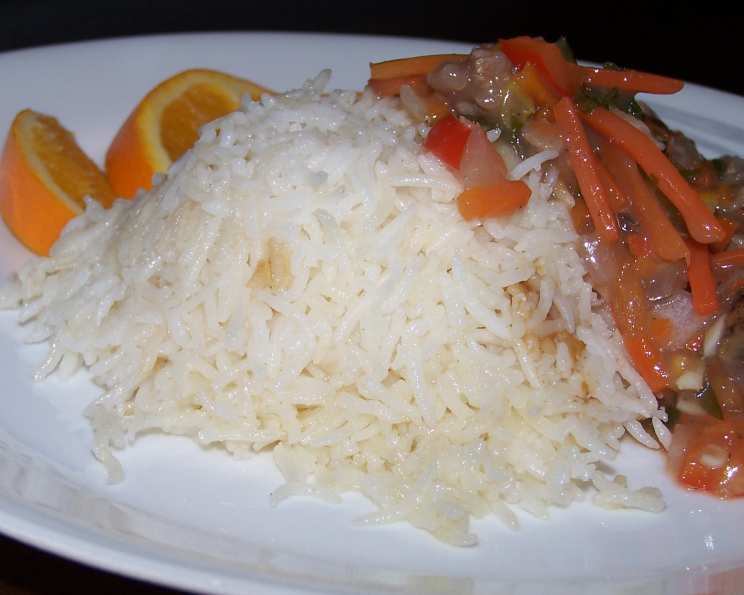
Green Tea Rice: Aromatic Simplicity
The first time I tasted green tea rice, I was backpacking through the Japanese countryside. A tiny, unassuming teahouse, nestled amongst bamboo groves, offered a simple bowl: fragrant, subtly flavored rice, the steam carrying the gentle, grassy scent of green tea. That unassuming bowl became a revelation, a reminder that incredible flavor can be born from simplicity and the thoughtful marriage of humble ingredients. It was an experience I’ve strived to recreate ever since, and now, I’m delighted to share my take on this comforting and subtly invigorating dish.
Recipe Overview
- Prep Time: 5 minutes
- Cook Time: 20 minutes
- Total Time: 25 minutes
- Servings: 2
- Yield: 2 cups
- Dietary Type: Vegetarian, Gluten-Free
Ingredients
- 1 cup white basmati rice
- 1 tablespoon lemon and ginger green tea (or one teabag)
- 2 cups water
- 1 teaspoon sea salt
- 1 teaspoon olive oil
Equipment Needed
- Medium-sized saucepan with lid
Instructions
- Combine the rice, water, sea salt, olive oil, and lemon and ginger green tea in a medium-sized saucepan. If using a teabag, ensure it is fully submerged.
- Bring the mixture to a boil over high heat. Stir well once to prevent the rice from sticking to the bottom of the pan.
- Once boiling, reduce the heat to the lowest setting to maintain a gentle simmer. Cover the saucepan tightly with a lid.
- Cook for 20 minutes, maintaining the simmer and keeping the lid on.
- After 20 minutes, check the rice for moisture absorption. If there is still water remaining in the pan, continue cooking for another few minutes, checking every 2-3 minutes until all the water has been absorbed.
- Once the rice is tender and all the water has been absorbed, remove the pan from the heat and let it stand, covered, for 5 minutes. This allows the steam to redistribute, resulting in fluffier rice.
- Remove the teabag (if used). Fluff the rice gently with a fork before serving.
Expert Tips & Tricks
- Rice Selection: While this recipe calls for basmati rice, you can experiment with other types of rice. Jasmine rice will impart a sweeter, more floral aroma, while brown rice will offer a nuttier flavor and chewier texture (adjust cooking time accordingly, typically requiring more water and a longer cooking time).
- Tea Infusion: For a more intense tea flavor, consider using loose-leaf green tea instead of a teabag. Place the loose tea leaves in a tea infuser or cheesecloth bag before adding them to the rice. Remove the infuser or bag before fluffing the rice.
- Flavor Boost: Enhance the flavor profile by adding a small piece of ginger or a few slices of lemon to the rice while it cooks. Remember to remove them before serving. A splash of rice vinegar or a drizzle of sesame oil after cooking can also add depth.
- Preventing Sticking: Rinsing the rice under cold water before cooking removes excess starch, which helps to prevent it from becoming sticky.
- Perfect Simmer: Maintaining a consistent simmer is key to evenly cooked rice. If the heat is too high, the water will evaporate too quickly, and the rice will burn. If the heat is too low, the rice will be undercooked.
Serving & Storage Suggestions
Serve the green tea rice as a side dish with grilled fish, roasted vegetables, or tofu. It pairs exceptionally well with Asian-inspired dishes like stir-fries and curries. For a complete meal, top the rice with a fried egg and some chopped scallions.
Leftover green tea rice can be stored in an airtight container in the refrigerator for up to 3 days. To reheat, add a tablespoon of water to the rice and microwave on medium heat for 1-2 minutes, or until heated through. You can also reheat it in a saucepan over low heat, stirring occasionally. Freezing is not recommended as it can affect the texture of the rice.
Nutritional Information
| Nutrient | Amount per Serving | % Daily Value |
|---|---|---|
| Calories | 220 kcal | 11% |
| Total Fat | 2g | 3% |
| Saturated Fat | 0.5g | 3% |
| Cholesterol | 0mg | 0% |
| Sodium | 300mg | 13% |
| Total Carbohydrate | 45g | 16% |
| Dietary Fiber | 1g | 4% |
| Sugars | 0.5g | 1% |
| Protein | 4g | 8% |
Nutritional information is an estimate and may vary based on specific ingredients and preparation methods.
Variations & Substitutions
- Matcha Green Tea: Substitute the lemon and ginger green tea with matcha powder for a vibrant green color and earthy flavor. Add 1-2 teaspoons of matcha powder to the rice along with the water.
- Broth Instead of Water: For a richer flavor, use vegetable or chicken broth instead of water. Be mindful of the sodium content if using store-bought broth and adjust the amount of sea salt accordingly.
- Coconut Milk Infusion: Replace half of the water with coconut milk for a creamy and fragrant variation. This works especially well with jasmine rice.
- Herbaceous Additions: Experiment with adding fresh herbs like cilantro, mint, or basil to the rice during the last few minutes of cooking.
- Spicy Kick: Add a pinch of red pepper flakes or a small piece of chopped chili pepper to the rice for a touch of heat.
FAQs (Frequently Asked Questions)
Q: Can I use pre-cooked rice for this recipe?
A: While you can use pre-cooked rice, the flavor of the tea will not be as pronounced. Cooking the rice from scratch allows the tea to infuse fully into the grains.
Q: How do I prevent the rice from burning on the bottom of the pan?
A: Ensure you are using the lowest possible heat setting to maintain a gentle simmer. A heavy-bottomed saucepan also helps distribute heat more evenly.
Q: What if my rice is still hard after 20 minutes?
A: Add a little more water (about 1/4 cup) and continue cooking for another 5-10 minutes, checking periodically until the rice is tender.
Q: Can I use a rice cooker for this recipe?
A: Yes, you can adapt this recipe for a rice cooker. Simply combine all the ingredients in the rice cooker and follow the manufacturer’s instructions.
Q: What is the best way to serve this rice?
A: This rice is versatile! It pairs well with grilled proteins, roasted vegetables, or as a base for a grain bowl. A sprinkle of toasted sesame seeds adds a nice finishing touch.
Final Thoughts
This green tea rice is more than just a side dish; it’s an experience. Its subtle flavors and delicate aroma can elevate any meal, bringing a touch of tranquility and elegance to your table. I encourage you to try this recipe and experiment with different variations to create your own signature version. Share your creations and feedback – I’d love to hear how you make this simple dish your own! Don’t be afraid to pair it with grilled salmon and steamed asparagus for a truly delightful and healthy meal.