
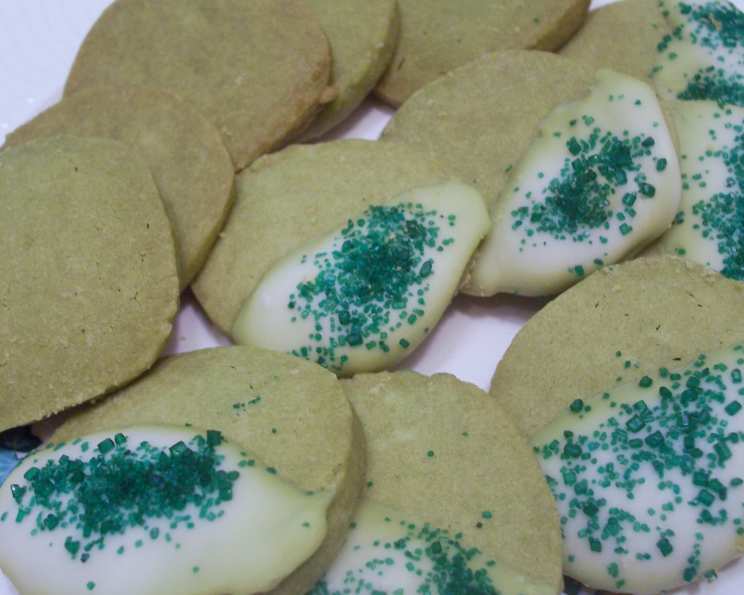
Green Tea Shortbread Cookies: A Matcha Made in Heaven
The first time I tasted matcha shortbread, I was wandering through a tiny tea shop in Kyoto. The air hummed with the quiet reverence of generations steeped in tradition, and the aroma of roasted tea leaves mingled with something subtly sweet and buttery. I purchased a small, emerald-green cookie, and as I bit into it, the delicate crumb melted on my tongue, releasing a whisper of earthy matcha that danced with the rich butter. It was a moment of pure culinary zen, a memory I’ve tried to recapture ever since, and this recipe comes as close as I can get to bringing that taste of Kyoto home.
Recipe Overview
- Prep Time: 45 minutes (including chilling)
- Cook Time: 32 minutes
- Total Time: 1 hour 17 minutes
- Yields: Approximately 9 dozen small cookies
- Dietary Type: Vegetarian
Ingredients
- 1 lb unsalted butter, room temperature
- 1 cup confectioners’ sugar
- 1 teaspoon salt
- 2 tablespoons green tea powder (matcha)
- 4 cups all-purpose flour
Equipment Needed
- Electric standing mixer
- Paddle attachment
- Plastic wrap
- Baking sheet
- Parchment paper
- Rolling pin
- Cookie cutters (optional)
Instructions
- In the bowl of an electric standing mixer fitted with the paddle attachment, cream the butter until it is light and fluffy. This usually takes several minutes, so don’t rush it. Scrape down the sides of the bowl periodically to ensure even mixing.
- Gradually add the confectioners’ sugar and salt to the creamed butter. Continue mixing until everything is well combined and the mixture is smooth. Again, scrape down the bowl to incorporate any stray ingredients.
- In a separate bowl, sift together the green tea powder (matcha) and all-purpose flour. Sifting is crucial here to prevent lumps of matcha from forming in the dough and to ensure a tender, delicate cookie.
- Gradually add the flour and matcha mixture to the butter mixture. Mix on low speed until just incorporated. Be careful not to overmix, as this can develop the gluten in the flour and result in tough cookies. The dough should come together into a cohesive ball.
- Divide the dough in half. Place each half between two sheets of plastic wrap. Roll the dough out to about 1/3-inch thick. Using plastic wrap makes rolling much easier and prevents the dough from sticking.
- Transfer the rolled-out dough on the plastic wrap to a baking sheet. Chill in the refrigerator until firm, at least 30 minutes. This chilling step is essential for preventing the cookies from spreading too much during baking. You can even chill the dough overnight if you prefer.
- Preheat your oven to 300 degrees Fahrenheit (149 degrees Celsius). Make sure your oven is properly calibrated, as temperature variations can significantly affect the texture of the cookies.
- Remove the top sheet of plastic wrap from the chilled dough. Use cookie cutters to cut out desired shapes, or simply cut the dough into squares or rectangles with a sharp knife.
- Carefully transfer the cut-out cookies to a baking sheet lined with parchment paper. The parchment paper will prevent the cookies from sticking and make cleanup easier.
- Re-roll any excess dough scraps, chill briefly if necessary, and cut out more cookies.
- Bake for 16 minutes. Rotate the pan and bake for another 16 minutes, or until the cookies feel firm when lightly scratched with a fingernail. The cookies should maintain their green color; avoid letting the edges brown too much.
- Cool the cookies completely on the baking sheet before transferring them to a wire rack. This will allow them to firm up and prevent them from breaking.
Expert Tips & Tricks
- Room Temperature Butter is Key: Ensuring your butter is truly at room temperature is crucial for creating a smooth, well-combined dough. If the butter is too cold, it will be difficult to cream properly, resulting in a lumpy dough. If it’s too warm, the cookies may spread too much during baking.
- Don’t Overmix: Overmixing the dough after adding the flour will develop the gluten and make the cookies tough. Mix just until the ingredients are combined.
- Chill Thoroughly: Chilling the dough is essential for preventing the cookies from spreading too much during baking. Make sure the dough is firm before cutting out the shapes. If the dough becomes too soft while you’re working with it, simply return it to the refrigerator for a few minutes to firm up again.
- Baking Time Variations: Baking times can vary depending on your oven. Keep a close eye on the cookies and adjust the baking time as needed. You want them to be firm to the touch but still maintain their green color.
- Dusting with Matcha: For an extra touch of elegance, dust the cooled cookies with a light coating of matcha powder just before serving.
Serving & Storage Suggestions
These green tea shortbread cookies are delightful on their own, served with a cup of green tea, or alongside green tea or ginger ice cream, as the original recipe suggests. They also make a beautiful and thoughtful gift.
To store, place the completely cooled cookies in an airtight container at room temperature. They will keep for up to 5 days. For longer storage, you can freeze the cookies in a freezer-safe container for up to 2 months. Let them thaw at room temperature before serving.
Nutritional Information
| Nutrient | Amount per Serving | % Daily Value |
|---|---|---|
| Calories | 615.8 kcal | N/A |
| Calories from Fat | 373 g | 61% |
| Total Fat | 41.5 g | 63% |
| Saturated Fat | 26 g | 130% |
| Cholesterol | 108.5 mg | 36% |
| Sodium | 265.2 mg | 11% |
| Total Carbohydrate | 55.7 g | 18% |
| Dietary Fiber | 1.5 g | 6% |
| Sugars | 13.2 g | N/A |
| Protein | 6.2 g | 12% |
Note: Nutritional information is an estimate and may vary based on specific ingredients and serving sizes.
Variations & Substitutions
- Gluten-Free Option: Substitute the all-purpose flour with a gluten-free all-purpose flour blend. Be sure to choose a blend that is designed for baking and contains xanthan gum or another binding agent.
- Vegan Option: Substitute the butter with a high-quality vegan butter alternative. Ensure the vegan butter is firm but pliable, similar to room-temperature dairy butter.
- Different Tea Flavors: Experiment with other tea powders, such as hojicha (roasted green tea) for a nutty flavor or black tea for a more robust taste.
- Citrus Zest: Add a teaspoon of lemon or orange zest to the dough for a bright, refreshing flavor.
- Chocolate Chips: Fold in a handful of white chocolate chips or dark chocolate chips for a touch of indulgence.
FAQs (Frequently Asked Questions)
Q: Can I use salted butter instead of unsalted?
A: While you can use salted butter, you’ll need to reduce the amount of salt added to the recipe. I recommend omitting the added salt entirely and tasting the dough before baking to see if it needs any additional salt.
Q: What if my dough is too sticky to roll out?
A: If the dough is too sticky, add a tablespoon or two of flour until it comes together. Also, ensure the dough is properly chilled before rolling, as this will make it easier to handle.
Q: Can I make the dough ahead of time?
A: Yes, you can make the dough ahead of time and store it in the refrigerator for up to 2 days. Wrap it tightly in plastic wrap to prevent it from drying out. You can also freeze the dough for up to 2 months. Thaw it in the refrigerator overnight before rolling out.
Q: My cookies are browning too quickly. What should I do?
A: If the cookies are browning too quickly, lower the oven temperature by 25 degrees Fahrenheit and continue baking. You can also tent the baking sheet with aluminum foil to prevent further browning.
Q: How do I know when the cookies are done?
A: The cookies are done when they feel firm when lightly scratched with a fingernail and the edges are just beginning to turn golden brown. Be careful not to overbake them, as they will continue to firm up as they cool.
Final Thoughts
These Green Tea Shortbread Cookies are more than just a recipe; they’re a little piece of tranquility, a culinary passport to a memory of a peaceful afternoon in a Japanese tea room. Don’t be intimidated by the seemingly simple ingredients; the magic lies in the technique and the quality of your matcha. So, gather your ingredients, put on some calming music, and embark on a baking adventure that will transport you to a world of subtle flavors and delicate textures. I encourage you to try this recipe and share your creations, or even better, serve them with a steaming cup of Sencha. Enjoy!