
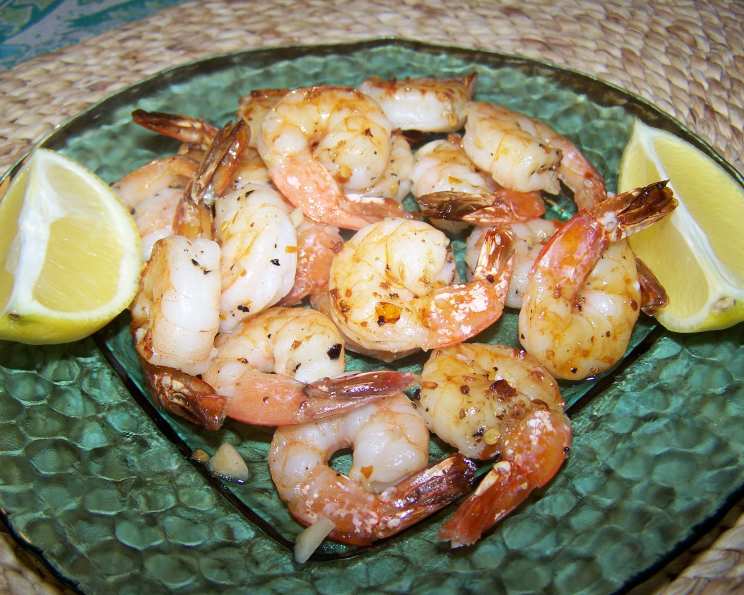
Grilled Shrimp Pili Pili: A Taste of Mozambique
The memory hits me with the force of the African sun: the salty air, the vibrant fabrics, and the intoxicating aroma of spices mingling with the ocean breeze. I was backpacking through Mozambique years ago when I first encountered Pili Pili shrimp, cooked over an open fire on a beach near Vilanculos. The fiery kick of the chili, balanced by the bright lemon and the sweetness of the shrimp, was an explosion of flavor that instantly transported me to that moment. It was more than just a meal; it was an experience. I’ve been chasing that flavor ever since, and this recipe brings me incredibly close.
Recipe Overview
- Prep Time: 15 minutes
- Cook Time: 4 minutes
- Total Time: 3 hours 19 minutes (includes marinating time)
- Servings: 4-6
- Yield: Variable, depending on shrimp size
- Dietary Type: Gluten-Free, Dairy-Free
Ingredients
- 2 lbs large raw shrimp, shelled and deveined, tails intact
- 1 teaspoon birds eye chile, minced (can use serrano, Thai, or other hot chile to your taste)
- 4 garlic cloves, coarsely chopped
- 2 tablespoons lemon juice, freshly squeezed
- 2/3 cup peanut oil
- Salt, to taste
- Pepper, to taste
- 1 lemon, quartered, for garnish
Equipment Needed
- Large bowl
- Small bowl
- Paper towels
- Grill or Broiler
- Tray or Grill Basket
Instructions
-
Begin by preparing the shrimp. Shell them, leaving the tails intact if desired for presentation. Devein and thoroughly wash the shrimp under cold running water. This ensures a clean and flavorful final product.
-
Dry the shrimp thoroughly on paper towels. This step is crucial for achieving a good sear when grilling or broiling. Excess moisture will steam the shrimp rather than allowing them to caramelize.
-
In a small bowl, prepare the Pili Pili marinade. Combine the minced chile, coarsely chopped garlic, freshly squeezed lemon juice, salt, pepper, and peanut oil. Mix well to ensure all ingredients are evenly distributed. The amount of chile can be adjusted to your personal preference for heat. Taste and adjust the seasoning as needed.
-
Place the dried shrimp in a large bowl. Pour the prepared Pili Pili oil mixture over the shrimp, ensuring that each shrimp is thoroughly coated in the marinade. This is best achieved by gently tossing the shrimp in the bowl.
-
Cover the bowl containing the marinated shrimp and place it in the refrigerator for at least three hours. Stir occasionally to ensure even marination. The longer the shrimp marinates, the more intense the flavor will be. However, avoid marinating for more than 6 hours, as the lemon juice can start to “cook” the shrimp and affect its texture.
-
Preheat your broiler or grill. If using a broiler, position the rack close to the heat source. For a grill, preheat to medium-high heat.
-
Remove the marinated shrimp from the refrigerator. Take the shrimp out of the marinade and place them in a single layer on a tray for broiling or in a grill basket for grilling. Discard any excess marinade.
-
Cook the shrimp for approximately 2 minutes per side, or until the shrimp turn pink and opaque. Be careful not to overcook the shrimp, as they will become rubbery. Watch them closely, as cooking times can vary depending on the heat of your broiler or grill and the size of the shrimp.
-
Remove the cooked shrimp from the broiler or grill.
-
Serve the Grilled Shrimp Pili Pili immediately with hot rice. Garnish with lemon quarters for an added touch of acidity and visual appeal.
Expert Tips & Tricks
- Spice Level: Adjust the amount of chile according to your heat preference. Start with a smaller amount and add more to taste. Remember, you can always add more spice, but you can’t take it away! Removing the seeds and membranes from the chile will also reduce the heat.
- Marinating Time: While the recipe calls for at least 3 hours of marinating, you can marinate the shrimp for up to 6 hours for a more intense flavor.
- Cooking Method: Grilling imparts a smoky flavor that complements the spiciness of the Pili Pili. Broiling is a quicker method, but be careful not to burn the shrimp. You can also pan-fry the shrimp in a skillet for a similar result.
- Doneness: The best way to check if the shrimp is cooked is to look for a change in color and texture. The shrimp should turn pink and opaque, and the flesh should be firm to the touch. Avoid overcooking, as this will result in dry and rubbery shrimp.
- Peanut Oil Alternative: While peanut oil adds a distinctive flavor, you can substitute it with other oils like vegetable oil or sunflower oil.
- Garlic: Roasting the garlic before chopping it will mellow its flavor and add a subtle sweetness to the marinade.
- Make-Ahead Tip: The marinade can be prepared a day in advance and stored in the refrigerator.
Serving & Storage Suggestions
Serve the Grilled Shrimp Pili Pili hot, straight from the grill or broiler, to ensure optimal flavor and texture. Arrange the shrimp artfully on a platter alongside a generous portion of fluffy white rice. A squeeze of fresh lemon juice adds a final touch of brightness.
Leftover Grilled Shrimp Pili Pili can be stored in an airtight container in the refrigerator for up to 2 days. To reheat, gently warm the shrimp in a skillet over low heat or in the microwave. Be careful not to overcook the shrimp when reheating, as they can become tough. Reheating in the oven is not recommended as this will cause the shrimp to dry out.
The cooked shrimp is best consumed fresh. Freezing is not recommended as it can significantly alter the texture of the shrimp, making it rubbery and less enjoyable.
Nutritional Information
| Nutrient | Amount per Serving | % Daily Value |
|---|---|---|
| Calories | 420 kcal | 21% |
| Total Fat | 30g | 46% |
| Saturated Fat | 5g | 25% |
| Cholesterol | 250mg | 83% |
| Sodium | 400mg | 17% |
| Total Carbohydrate | 5g | 2% |
| Dietary Fiber | 1g | 4% |
| Sugars | 1g | 2% |
| Protein | 35g | 70% |
Note: Nutritional information is an estimate and may vary based on specific ingredients and portion sizes.
Variations & Substitutions
- Seafood Swap: If shrimp isn’t your preference, this marinade works beautifully with scallops, chunks of firm white fish like monkfish, or even chicken thighs. Adjust cooking times accordingly.
- Coconut Pili Pili: Add 1/2 cup of coconut milk to the marinade for a creamy, slightly sweet twist. This complements the spice and adds a tropical flair.
- Herbaceous Pili Pili: Incorporate fresh herbs like cilantro or parsley into the marinade for a brighter, more complex flavor profile.
- Vegetarian Option: Marinate firm tofu cubes in the Pili Pili sauce and grill or pan-fry them for a vegetarian-friendly option.
FAQs (Frequently Asked Questions)
Q: What does “Pili Pili” mean?
A: Pili Pili is a Swahili term that refers to hot chili peppers. It’s commonly used in East African cuisine to describe dishes with a spicy kick.
Q: Can I use dried chili flakes instead of fresh chiles?
A: While fresh chiles are preferred for their vibrant flavor and heat, you can substitute with dried chili flakes in a pinch. Use about 1/2 teaspoon of chili flakes for every teaspoon of minced fresh chile.
Q: How can I reduce the heat of the dish?
A: Remove the seeds and membranes from the chiles before mincing them. You can also use a milder variety of chile, such as serrano or jalapeño, instead of birds eye chile. Serving with a cooling yogurt sauce can also help temper the heat.
Q: Can I marinate the shrimp for longer than 3 hours?
A: While marinating for 3 hours is recommended, you can marinate the shrimp for up to 6 hours for a more intense flavor. Avoid marinating for longer than that, as the lemon juice can start to “cook” the shrimp.
Q: What’s the best way to prevent the shrimp from overcooking?
A: Watch the shrimp closely while they are cooking. They are done when they turn pink and opaque and the flesh is firm to the touch. Avoid overcooking, as this will result in dry and rubbery shrimp.
Final Thoughts
This Grilled Shrimp Pili Pili is more than just a recipe; it’s a culinary journey to the sun-kissed shores of Mozambique. The vibrant flavors, the fiery spice, and the simple preparation make it a dish that’s both impressive and approachable. Whether you’re grilling it for a summer barbecue or broiling it for a quick weeknight dinner, this recipe is sure to transport your taste buds. So, gather your ingredients, fire up the grill, and get ready to experience the magic of Pili Pili! Don’t hesitate to experiment with variations and share your feedback – and maybe, just maybe, you’ll taste the echoes of the African coast, too. I recommend pairing it with a crisp Sauvignon Blanc to balance the heat.