
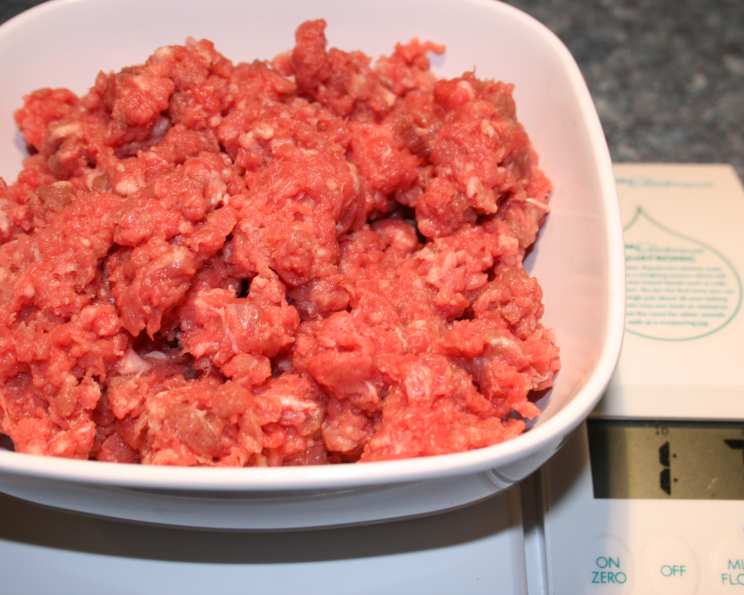
Mastering the Grind: From Roast to Ground Meat in Minutes
My grandmother, a woman of frugal brilliance, always said, “Why buy what you can make better?” This resonated deeply with her approach to food, particularly ground meat. I remember watching her transform a humble chuck roast into the most flavorful, succulent burgers I’d ever tasted. The aroma of freshly ground beef, mingled with her special blend of herbs, would fill the kitchen, creating a memory that continues to inspire my own culinary adventures. I now carry on her tradition. With a few simple techniques, I can create ground meat perfectly tailored to my needs. I now pass the information to you.
Recipe Overview
- Prep Time: 15 minutes
- Cook Time: Depends on the recipe
- Total Time: Depends on the recipe
- Servings: 4-6
- Dietary Type: Variable, depending on meat choice
Ingredients
- 1 lb chuck roast (85 percent lean, semi-frozen, untrimmed, cut into 1-inch chunks)
- ¼ lb pork loin (semi-frozen, untrimmed, cut into 1-inch chunks, optional)
Equipment Needed
- Food Processor
- Metal blade for food processor
Instructions
-
Ensure your chuck roast and pork loin (if using) are semi-frozen. This is crucial for a clean grind. If your meat isn’t already partially frozen, place it in the freezer for about 30-60 minutes before starting. The ideal state is firm but not rock solid.
-
Place the metal blade attachment into your food processor.
-
Add the meat, taking care to process in small batches. Depending on the size of your food processor, do not add more than ½ pound of meat at a time. Overcrowding the processor can lead to uneven grinding and a poor texture.
-
Pulse in short, 1- to 2-second bursts until the desired consistency is achieved. About 10 pulses should be enough. Count “one one thousand, two one thousand” between each pulse.
-
Pulsing is key! Do not let the processor run continuously.
-
Pulsing distributes the pieces for more even chopping and avoids excess heat from friction, which can turn your ground beef into a mass of mush. If the meat starts to look mushy, stop immediately and chill the meat before proceeding.
-
Add any seasoning (like garlic, herbs, onions) for a specific recipe right before beginning to process. This ensures the seasonings are evenly distributed throughout the ground meat.
-
For burgers, a coarse grind is the way to go. A coarser grind allows for better fat distribution and a more satisfying texture.
-
For meatloaf and meatballs, a finer grind helps the meat compact, blend with other ingredients, and hold its shape.
-
When selecting your meat, remember that ground beef usually comes from one of three cuts: chuck, round, or sirloin.
-
Chuck is generally the preferred choice because it is a little fattier than the others and gives great flavor. Aim for at least 85% lean.
-
Ground beef from the round or sirloin tends to be leaner, which is a good thing if you’re counting calories, but it may result in a less juicy burger.
-
If meats are lean, add olive oil, tomato juice, or an egg to maintain moisture. For best results, your ground meat should have at least a 10 percent fat-to-meat ratio.
-
Other meats such as turkey, chicken, pork, veal, and lamb can be ground as well, using the same process.
Expert Tips & Tricks
-
Chill, Chill, Chill: Keeping the meat cold is paramount. The semi-frozen state prevents the fat from rendering and turning the meat into a paste. If you notice the meat warming up during processing, return it to the freezer for a short time.
-
Fat is Flavor: Don’t be afraid of fat! While lean ground meat is healthier, a higher fat content (around 15-20%) delivers a more flavorful and juicy result, especially for burgers.
-
Custom Blends: Experiment with different meat combinations. Try blending beef with pork, lamb, or even venison for unique flavor profiles.
-
Cleanliness is Key: Sanitize all equipment thoroughly before and after grinding meat to prevent bacterial contamination.
-
Don’t Overprocess: Over-processing is the biggest mistake people make. Short pulses are key to achieving the right texture.
Serving & Storage Suggestions
-
Serving: Freshly ground meat is best used immediately. Use for burgers, meatloaf, sauces, or any other recipe that calls for ground meat.
-
Storage: Store ground meat in the refrigerator for no more than 1-2 days. To freeze, wrap tightly in plastic wrap, then place in a freezer bag, pressing out as much air as possible. Frozen ground meat can last for up to 3 months.
-
Reheating: Thaw frozen ground meat in the refrigerator overnight. Cook thoroughly to an internal temperature of 160°F (71°C) before serving.
Nutritional Information
Please note: Nutritional information will vary depending on the specific cuts of meat used.
| Nutrient | Amount per Serving* | % Daily Value* |
|---|---|---|
| Calories | 220 kcal | 11% |
| Total Fat | 15g | 23% |
| Saturated Fat | 7g | 35% |
| Cholesterol | 80mg | 27% |
| Sodium | 75mg | 3% |
| Total Carbohydrate | 0g | 0% |
| Dietary Fiber | 0g | 0% |
| Sugars | 0g | 0% |
| Protein | 20g | 40% |
*Based on approximately 4 servings and 85% lean chuck roast.
Variations & Substitutions
- Ground Turkey or Chicken: Substitute the beef and pork with turkey or chicken thighs for a leaner option.
- Spicy Ground Meat: Add a pinch of cayenne pepper or some chopped jalapeños to the meat before grinding for a spicy kick.
- Italian Sausage: Add Italian seasoning (fennel seeds, oregano, basil) and a pinch of red pepper flakes to ground pork for homemade Italian sausage.
- Lamb Merguez: Combine ground lamb with harissa paste, cumin, coriander, and garlic for a flavorful Merguez sausage alternative.
FAQs (Frequently Asked Questions)
Q: Why grind my own meat when I can buy it pre-ground?
A: Grinding your own meat allows you to control the fat content, quality of the meat, and avoid any unwanted additives or fillers. It also tastes significantly fresher!
Q: Can I use a blender instead of a food processor?
A: A food processor is recommended. A blender is not suitable for grinding meat as it’s designed for liquids and soft solids, and will likely turn the meat into a puree.
Q: How do I know when the ground meat is the right consistency?
A: The ideal consistency depends on your intended use. For burgers, aim for a coarse grind with visible pieces of meat. For meatloaf, a finer grind is better.
Q: What if my food processor starts to struggle?
A: You may be overloading the processor. Stop, remove some of the meat, and continue in smaller batches. Also, ensure the meat is sufficiently cold.
Q: Can I grind frozen meat?
A: It’s best to use semi-frozen meat, not fully frozen. Fully frozen meat is too hard and could damage your food processor.
Final Thoughts
Grinding your own meat is not only simple but incredibly rewarding. It empowers you to create custom blends, control the quality, and elevate the flavor of your favorite dishes. So, ditch the pre-packaged stuff and experience the difference that freshly ground meat can make. I highly encourage you to give it a try and share your creations and experiences with fellow food lovers! You might even create some wonderful food memories for those you serve!