
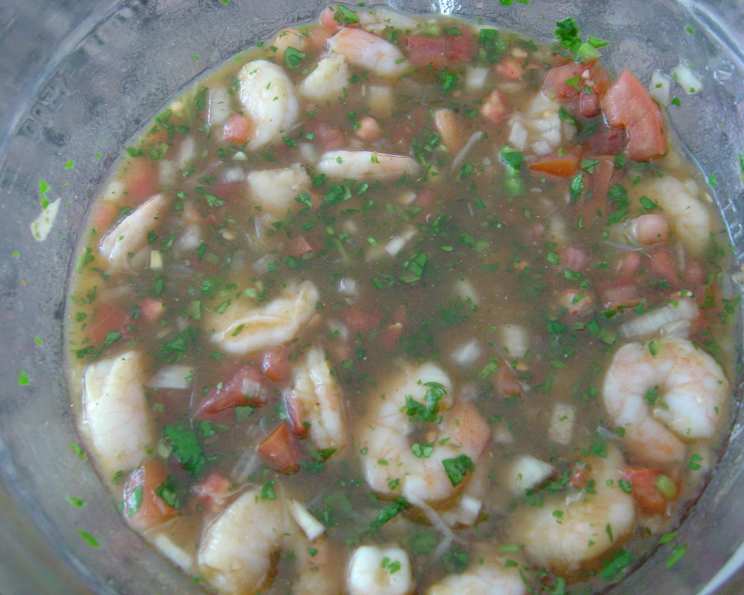
Guatemala’n Ceviche: A Burst of Tropical Flavors
The first time I tasted ceviche in Guatemala, I was a wide-eyed backpacker, fresh off a chicken bus and utterly mesmerized by the vibrant colors of Antigua. A local vendor, her smile as warm as the Guatemalan sun, offered me a small cup. The explosion of citrus, the sweetness of the shrimp, the subtle heat of the jalapeño – it was unlike anything I’d ever experienced. That simple ceviche became a defining memory of my travels, a taste of pure joy and a reminder of the kindness of strangers. It sparked a lifelong love affair with Latin American cuisine, and I’m excited to share my take on this classic Guatemalan dish.
Recipe Overview
- Prep Time: 30 minutes
- Cook Time: 5 minutes
- Total Time: 24 hours 35 minutes (includes marinating time)
- Servings: 4-6
- Yield: Approximately 6 cups
- Dietary Type: Gluten-Free, Dairy-Free
Ingredients
- 4 large tomatoes, diced
- 2 lbs medium shrimp, peeled and deveined
- 1 onion, diced
- 1 bunch cilantro, diced (fresh coriander)
- 1 jalapeño, diced (remove seeds for less heat, if desired)
- 12 lemons, squeezed (yielding approximately 1 1/2 to 2 cups of lemon juice)
- 8 tablespoons ketchup (yes, ketchup!)
- 1 teaspoon Worcestershire sauce (you can use 2 teaspoons, adjusted to your taste)
- Salt and pepper (to taste)
Equipment Needed
- Large bowl
- Large pot
- Ice bath
- Colander or strainer
- Cutting board
- Knife
- Citrus juicer (optional, but recommended)
Instructions
-
Begin by blanching the shrimp. Bring a large pot of water to a rolling boil. Add the shrimp and cook for exactly 5 minutes. Overcooking will result in rubbery shrimp, so set a timer!
-
Immediately shock the shrimp in an ice bath (a bowl filled with ice and water). This stops the cooking process and helps maintain a firm texture. Allow the shrimp to cool completely in the ice bath.
-
Once cooled, strain the shrimp using a colander or strainer to remove all excess water.
-
Transfer the shrimp to a large bowl.
-
Pour the lemon juice over the shrimp, ensuring all pieces are submerged. This is crucial for “cooking” the shrimp. Marinate in the refrigerator for 2 hours. The lemon juice will denature the proteins, giving the shrimp a texture similar to cooked seafood.
-
After the initial marinating period, add the salt, pepper, ketchup, Worcestershire sauce, onion, tomatoes, jalapeño, and cilantro to the bowl.
-
Stir gently to combine all ingredients, ensuring the shrimp and vegetables are evenly coated in the mixture.
-
Marinate again in the refrigerator for another 2 hours. This allows the flavors to meld together beautifully.
-
Remember to always refrigerate the ceviche during both marinating periods to prevent bacterial growth.
-
Serve chilled with your favorite crackers.
Expert Tips & Tricks
- Shrimp Quality Matters: Use the freshest shrimp you can find. The better the quality, the better the ceviche. Look for firm, translucent shrimp with a clean, ocean-like smell.
- Adjusting the Heat: For a milder ceviche, remove the seeds and membranes from the jalapeño before dicing. You can also use a milder chili pepper, such as a serrano, or omit it entirely.
- Lemon Juice is Key: Freshly squeezed lemon juice is essential for the best flavor. Bottled lemon juice can have a slightly bitter taste.
- Don’t Over-Marinate: While marinating is crucial, avoid over-marinating the shrimp, as it can become tough and rubbery. Stick to the recommended times.
- Taste as You Go: Adjust the salt, pepper, and Worcestershire sauce to your liking. Remember that the flavors will continue to develop as the ceviche marinates.
- Make Ahead: While ceviche is best served fresh, you can prepare it a day in advance. The flavors will actually intensify overnight. However, be mindful of the shrimp’s texture, as it may become slightly firmer the longer it marinates.
- Ketchup? Really?: Don’t be afraid of the ketchup! It adds a unique sweetness and tanginess that is characteristic of Guatemalan ceviche. However, if you’re truly opposed, you can try substituting it with a small amount of tomato paste and a touch of sugar.
Serving & Storage Suggestions
Serve your Guatemalan ceviche chilled in small bowls or cups. It’s traditionally enjoyed with saltine crackers, but you can also serve it with tortilla chips, tostadas, or even plantain chips. Garnish with a sprig of fresh cilantro or a lime wedge for an extra touch of freshness.
Leftover ceviche can be stored in an airtight container in the refrigerator for up to 24 hours. However, the texture of the shrimp may change slightly, becoming firmer. It’s best to consume it as soon as possible for the best flavor and texture. I do not recommend freezing ceviche as the texture will be compromised.
Nutritional Information
| Nutrient | Amount per Serving | % Daily Value |
|---|---|---|
| Calories | 238.1 kcal | N/A |
| Calories from Fat | 25 g | 11% |
| Total Fat | 2.8 g | 4% |
| Saturated Fat | 0.3 g | 1% |
| Cholesterol | 286.5 mg | 95% |
| Sodium | 1648.8 mg | 68% |
| Total Carbohydrate | 20 g | 6% |
| Dietary Fiber | 3 g | 12% |
| Sugars | 13.1 g | N/A |
| Protein | 33.6 g | 67% |
Note: Nutritional information is an estimate and may vary based on specific ingredients and portion sizes.
Variations & Substitutions
- Seafood Variations: While this recipe calls for shrimp, you can easily substitute other types of seafood, such as white fish (like cod or tilapia), scallops, or even octopus. Adjust the cooking time accordingly.
- Spicy Ceviche: For a spicier kick, add more jalapeño or a hotter chili pepper, such as a habanero. You can also add a dash of hot sauce to the marinade.
- Vegetarian Ceviche: To make a vegetarian version, substitute the shrimp with hearts of palm or cooked mushrooms.
- Mango Ceviche: Add diced mango for a touch of sweetness and tropical flavor. This works particularly well with white fish or shrimp.
- Avocado Addition: Diced avocado adds a creamy texture and richness to the ceviche. Add it just before serving to prevent it from browning.
FAQs (Frequently Asked Questions)
Q: Can I use frozen shrimp for this recipe?
A: Yes, you can use frozen shrimp. Be sure to thaw it completely before blanching it. Pat it dry to remove excess moisture.
Q: How do I know when the shrimp is “cooked” in the lemon juice?
A: The shrimp is “cooked” when it turns opaque and firm. The lemon juice denatures the proteins, giving it a cooked-like texture.
Q: Can I make this recipe without ketchup?
A: While ketchup is a traditional ingredient in Guatemalan ceviche, you can substitute it with a small amount of tomato paste and a touch of sugar for a similar flavor profile.
Q: How long can I store leftover ceviche?
A: Leftover ceviche can be stored in an airtight container in the refrigerator for up to 24 hours. However, the texture of the shrimp may change slightly, so it’s best to consume it as soon as possible.
Q: Can I use lime juice instead of lemon juice?
A: While lemon juice is traditional, you can use lime juice as a substitute. Keep in mind that lime juice has a slightly different flavor profile, so it may alter the overall taste of the ceviche.
Final Thoughts
Guatemalan ceviche is more than just a recipe; it’s a celebration of fresh ingredients, vibrant flavors, and the warmth of Guatemalan culture. I hope this recipe inspires you to create your own version of this delightful dish and share it with friends and family. Don’t be afraid to experiment with different ingredients and adjust the recipe to your liking. And most importantly, enjoy the process of creating and savoring this taste of the tropics! Let me know how yours turns out!