
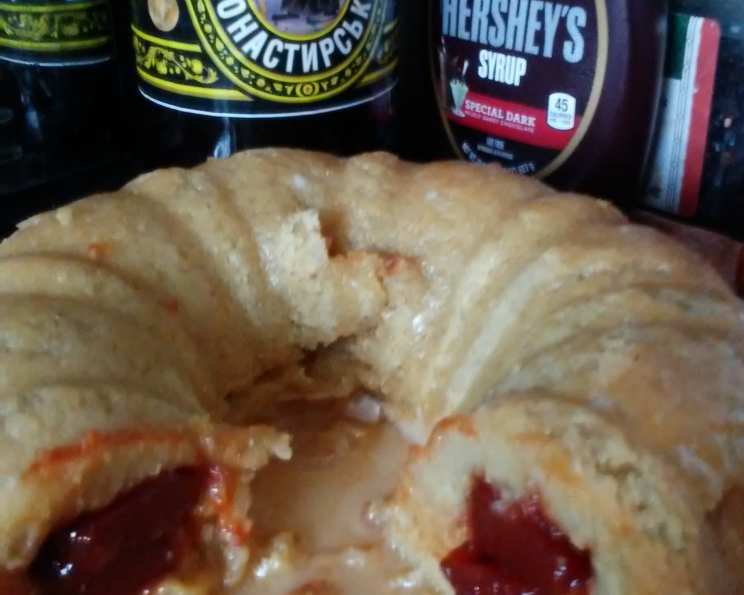
Guava Cake: A Slice of Tropical Paradise
My first encounter with guava cake wasn’t in a fancy bakery, but at a potluck hosted by a neighbor who had just moved from Miami. The aroma alone was intoxicating – a sweet, fruity fragrance that hinted at sunshine and warmth. One bite, and I was hooked. The dense, buttery crumb, studded with pockets of molten guava, was unlike anything I’d ever tasted. It transported me to a place I’d never been, a tropical escape right there on my plate. It’s a flavor memory that has stuck with me, and one I’m excited to share with you.
Recipe Overview
- Prep Time: 20 minutes
- Cook Time: 45-55 minutes
- Total Time: 1 hour 15 minutes
- Servings: 12
- Yield: 1 10-inch ring cake
- Dietary Type: Not Gluten-Free
Ingredients
- 3/4 cup (6 ounces) butter, softened
- 1 cup (7 ounces) sugar
- 2 eggs
- 1 cup (8 ounces) unsweetened applesauce
- 2 cups (8.5 ounces) flour
- 1 teaspoon baking powder
- 1 teaspoon vanilla extract
- 10 ounces guava paste, sliced
Glaze Ingredients
- 1 cup (4 ounces) sifted powdered sugar
- 1 1/2 tablespoons orange juice or 1 1/2 tablespoons lemon juice
- 1/2 teaspoon vanilla extract or 1/2 teaspoon coconut extract
Equipment Needed
- 10-inch springform pan or ring mold
- Large mixing bowl
- Electric mixer
- Sifter
- Small bowl for glaze
- Whisk or fork
- Rubber spatula
- Measuring cups and spoons
- Toothpick
Instructions
-
Preheat your oven to 350 degrees F (175 degrees C). Proper oven temperature is crucial for even baking.
-
Thoroughly grease a 10-inch springform pan or ring mold. This prevents the cake from sticking and ensures easy removal after baking. You can also dust the greased pan with flour for extra insurance.
-
In a large mixing bowl, cream together the softened butter and sugar using an electric mixer. Beat until the mixture is light and fluffy. This process incorporates air, which contributes to a tender cake crumb.
-
Add the eggs one at a time, beating thoroughly after each addition. Ensure each egg is fully incorporated before adding the next.
-
Add the applesauce and vanilla extract to the butter mixture and mix well. The applesauce adds moisture to the cake, while the vanilla enhances the overall flavor profile.
-
In a separate bowl, sift together the flour and baking powder. Sifting ensures there are no lumps in the flour and evenly distributes the baking powder, resulting in a lighter cake.
-
Gradually add the flour mixture to the butter mixture, mixing until just fully blended. Be careful not to overmix the batter, as this can develop the gluten in the flour, leading to a tough cake.
-
Spread half of the cake batter evenly into the prepared pan. Use a spatula to ensure the batter is distributed uniformly.
-
Top the batter with the sliced guava paste, taking care not to place the paste directly against the pan sides. The guava paste will melt and spread during baking, and contact with the pan can cause it to stick or burn.
-
Carefully spread the remaining cake batter over the guava paste, ensuring the paste is completely covered.
-
Bake for 45-55 minutes, or until a toothpick inserted into the center of the cake comes out clean (except, of course, where it hits the guava paste). Start checking for doneness around 45 minutes to avoid overbaking. A slightly moist crumb is preferable to a dry one.
-
While the cake is baking, prepare the glaze. In a small bowl, whisk together the sifted powdered sugar, orange juice (or lemon juice), and vanilla extract (or coconut extract) until smooth. Adjust the amount of liquid to achieve your desired consistency.
-
Once the cake is out of the oven, let it cool slightly before pouring the glaze over the warm cake. The warmth helps the glaze to spread evenly and adhere to the surface.
-
Allow the cake to cool completely before serving. The guava filling will be very hot initially and letting it cool prevents any burnt taste buds.
Expert Tips & Tricks
-
For an extra moist cake, try adding an additional 1/4 cup of applesauce to the batter.
-
If you don’t have guava paste readily available, you can often find it in the international aisle of your local grocery store or at Latin American markets.
-
To prevent the cake from sticking, even with thorough greasing, line the bottom of the pan with parchment paper.
-
Don’t have orange or lemon juice on hand? Milk or even water can be used as a substitute for the glaze, though the flavor will be less pronounced.
-
For a richer flavor, brown the butter before creaming it with the sugar. Just be sure to let it cool slightly before adding it to the batter.
-
If the top of the cake starts to brown too quickly during baking, tent it loosely with foil.
Serving & Storage Suggestions
This guava cake is delicious served warm or at room temperature. For an extra special treat, serve it with a dollop of whipped cream or a scoop of vanilla ice cream. It pairs wonderfully with a cup of coffee or tea.
Store leftover cake in an airtight container at room temperature for up to 3 days, or in the refrigerator for up to a week. For longer storage, wrap the cake tightly in plastic wrap and freeze for up to 2 months. Thaw completely at room temperature before serving. You can reheat individual slices in the microwave for a few seconds to restore their warmth and softness.
Nutritional Information
| Nutrient | Amount per Serving | % Daily Value |
|---|---|---|
| Calories | 304 kcal | N/A |
| Total Fat | 12.6 g | 19% |
| Saturated Fat | 7.6 g | 38% |
| Cholesterol | 61.8 mg | 21% |
| Sodium | 145.6 mg | 6% |
| Total Carbohydrate | 45.1 g | 15% |
| Dietary Fiber | 0.8 g | 3% |
| Sugars | 28.5 g | N/A |
| Protein | 3.4 g | 7% |
Note: Nutritional information is an estimate and may vary based on specific ingredients and preparation methods.
Variations & Substitutions
-
Gluten-Free: Substitute the all-purpose flour with a gluten-free blend. You may need to add a binding agent like xanthan gum to achieve the desired texture.
-
Dairy-Free: Replace the butter with a dairy-free butter alternative. Ensure the alternative is suitable for baking and has a similar fat content to butter. You can also use a dairy-free milk (like almond or soy milk) mixed with a little lemon juice or vinegar to act as a buttermilk substitute for added moisture and tenderness.
-
Coconut Guava Cake: Substitute half of the applesauce with unsweetened coconut cream and use coconut extract in the glaze for a tropical twist.
-
Spice Cake Guava Cake: Add 1/2 teaspoon of ground cinnamon and 1/4 teaspoon of ground nutmeg to the flour mixture for a warm, spiced variation, perfect for the cooler months.
FAQs (Frequently Asked Questions)
Q: Can I use a different size pan?
A: While a 10-inch springform or ring mold is ideal, you can use a 9×13 inch baking pan. Adjust the baking time accordingly, as the cake may bake faster.
Q: Can I use guava jam instead of guava paste?
A: Guava paste is recommended for the best texture and flavor. Guava jam is too liquid and will change the consistency of the cake.
Q: My guava paste is very hard. How can I soften it?
A: Slightly warm the guava paste in the microwave for a few seconds to make it easier to slice. Be careful not to melt it completely.
Q: The top of my cake is browning too quickly. What can I do?
A: Tent the cake loosely with aluminum foil during the last 15-20 minutes of baking to prevent excessive browning.
Q: Can I make this cake ahead of time?
A: Yes, you can bake the cake a day in advance. Store it at room temperature, wrapped tightly in plastic wrap. Glaze it just before serving for the best results.
Final Thoughts
This Guava Cake is more than just a dessert; it’s a journey to a sun-kissed paradise with every bite. The combination of buttery cake, sweet guava, and tangy glaze creates a flavor symphony that’s both comforting and exotic. Don’t be afraid to experiment with variations to make it your own. Gather your ingredients, preheat your oven, and get ready to bake a cake that will transport you and your loved ones to a place of pure bliss. I encourage you to try this recipe and let me know what you think. Enjoy your slice of tropical paradise!