
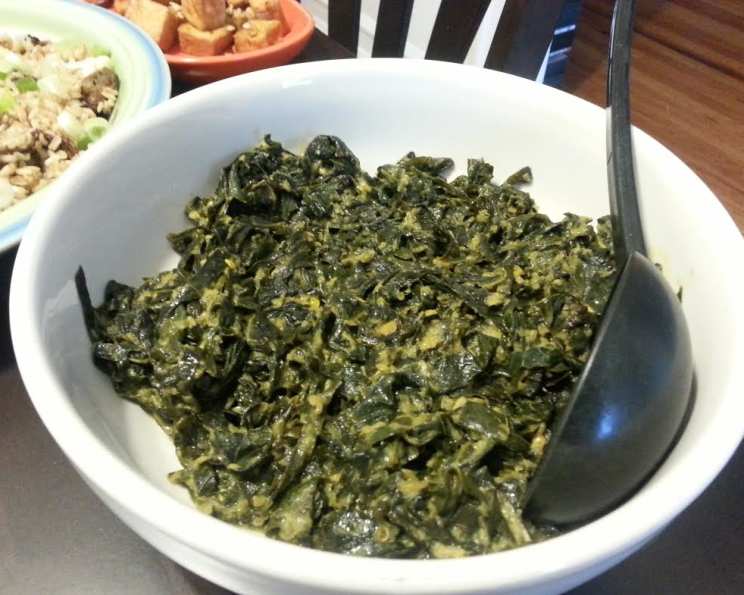
Gulai Sayur: An Indonesian Collard Greens Curry That Will Warm Your Soul
My first experience with Indonesian cuisine was at a bustling night market in Jakarta. The air was thick with the aroma of spices and grilling meats, a symphony of scents that both overwhelmed and delighted. Amidst the colorful stalls, I stumbled upon a humble vendor serving a vibrant green stew ladled over steaming rice. It was Gulai Sayur, and that first bite ignited a lifelong love affair with Indonesian flavors. The earthy collard greens, simmered in creamy coconut milk and infused with a complex blend of aromatics, was unlike anything I’d ever tasted. It was a revelation, a comforting and deeply satisfying dish that I’ve been recreating in my own kitchen ever since.
Recipe Overview
- Prep Time: 20 minutes
- Cook Time: 52 minutes
- Total Time: 1 hour 12 minutes
- Servings: 4-6
- Dietary Type: Vegan
Ingredients
- 1 ½ teaspoons ground turmeric
- 7 shallots, roughly chopped
- 4 garlic cloves, roughly chopped
- 2 Thai chiles, minced (adjust to your spice preference)
- 1 piece ginger, peeled and thinly sliced (about 3 inches)
- 2 stalks fresh lemongrass
- 3 tablespoons peanut oil (or vegetable oil)
- 2 teaspoons sugar
- 1 teaspoon salt, plus more to taste
- 1 (14 ounce) can unsweetened coconut milk
- 2 lbs collard greens, stemmed and cut crosswise into 1/2 inch wide strips
- Fresh ground black pepper, to taste
Equipment Needed
- Small food processor
- 6-quart pot
- Meat mallet (optional)
Instructions
-
First, prepare the spice paste. In a small food processor, combine the ground turmeric, shallots, garlic, chiles, and ginger. Puree, adding up to 4 tablespoons of water, to form a smooth paste. Set aside. A smooth paste ensures even distribution of flavor throughout the gulai.
-
Prepare the lemongrass. Trim the tip and root ends of the lemongrass stalks, and remove the tough outer layer. Using a meat mallet (or the back of a heavy knife), smash the lemongrass to flatten it. This helps release the aromatic oils. Tie the lemongrass into a knot. This makes it easier to remove later.
-
Heat the peanut oil in a 6-quart pot over medium-low heat. Add the reserved spice paste and the knotted lemongrass. Cook, stirring often, until the mixture is very fragrant, about 10-12 minutes. This step is crucial for developing the depth of flavor in the gulai. The paste should turn a deeper color and release its aromatic oils. Be careful not to burn the paste, as this will impart a bitter taste.
-
Add the sugar, salt, and coconut milk to the pot. Bring the mixture to a simmer over medium heat.
-
Add the collard greens to the pot and cook, stirring occasionally, until the collard greens are just tender, about 40 minutes. The collard greens should be wilted but still retain some texture. Overcooking will result in mushy collard greens.
-
Remove the lemongrass from the pot. Season the gulai with salt and pepper to taste. Taste and adjust seasonings as needed. Remember that salt enhances the other flavors.
-
Serve the Gulai Sayur warm.
Expert Tips & Tricks
- Spice Level Adjustment: If you prefer a milder curry, reduce the amount of Thai chiles. For a spicier kick, add an extra chile or a pinch of cayenne pepper.
- Prepping Ahead: The spice paste can be made a day or two in advance and stored in the refrigerator. This will save you time when you’re ready to cook the gulai.
- Collard Green Preparation: Be sure to remove the tough stems from the collard greens before chopping. Massaging the chopped collard greens with a little salt can help tenderize them before cooking.
- Coconut Milk Quality: The quality of the coconut milk can affect the richness and creaminess of the gulai. Full-fat coconut milk will yield the best results.
- Doneness Check: The collard greens are done when they are tender but still have a slight bite to them. Avoid overcooking, as this can make them mushy.
Serving & Storage Suggestions
Serve Gulai Sayur warm as a main course or a side dish. It pairs beautifully with steamed rice, Indonesian-style fried rice (Nasi Goreng), or grilled tofu. Garnish with a sprinkle of fried shallots or a squeeze of lime juice for added flavor and visual appeal.
Leftovers can be stored in an airtight container in the refrigerator for up to 3 days. To reheat, gently warm the gulai in a pot over medium heat, stirring occasionally, or microwave until heated through. For longer storage, the gulai can be frozen for up to 2 months. Thaw overnight in the refrigerator before reheating.
Nutritional Information
| Nutrient | Amount per Serving | % Daily Value |
|---|---|---|
| Calories | 380 kcal | 19% |
| Total Fat | 28g | 43% |
| Saturated Fat | 22g | 110% |
| Cholesterol | 0mg | 0% |
| Sodium | 550mg | 23% |
| Total Carbohydrate | 28g | 9% |
| Dietary Fiber | 8g | 32% |
| Sugars | 5g | – |
| Protein | 7g | 14% |
Note: Nutritional information is an estimate and may vary based on specific ingredients and preparation methods.
Variations & Substitutions
- Other Greens: If collard greens are unavailable, you can substitute other sturdy greens such as kale, mustard greens, or spinach. Keep in mind that cooking times may vary depending on the type of green used.
- Protein Boost: Add diced tofu, tempeh, or chickpeas to the gulai for a protein-rich meal.
- Vegetable Medley: Incorporate other vegetables such as eggplant, green beans, or potatoes for a more complex and substantial dish.
- Creamier Texture: For an extra creamy gulai, add a splash of coconut cream towards the end of cooking.
- Nut Allergy: If you have a peanut allergy, substitute the peanut oil with another vegetable oil such as canola or sunflower oil.
FAQs (Frequently Asked Questions)
Q: Can I make this spicier?
A: Absolutely! Increase the amount of Thai chiles or add a pinch of cayenne pepper to the spice paste for a spicier kick.
Q: Can I use dried lemongrass instead of fresh?
A: While fresh lemongrass is ideal, you can use dried lemongrass as a substitute. Use about 1 tablespoon of dried lemongrass per stalk of fresh lemongrass.
Q: How do I store leftovers?
A: Store leftovers in an airtight container in the refrigerator for up to 3 days. You can also freeze it for longer storage, up to 2 months.
Q: Can I add meat to this recipe?
A: While this recipe is traditionally vegan, you can add meat if you prefer. Chicken or beef would be good additions. Add the meat to the pot along with the collard greens and adjust cooking time accordingly.
Q: Is this dish gluten-free?
A: Yes, this recipe is naturally gluten-free as long as you use pure coconut milk and ensure there are no gluten-containing additives in your spices.
Final Thoughts
Gulai Sayur is more than just a recipe; it’s a culinary journey to the heart of Indonesia. The warmth of the spices, the creaminess of the coconut milk, and the earthiness of the collard greens create a symphony of flavors that will tantalize your taste buds. I encourage you to try this recipe and experience the magic of Indonesian cuisine for yourself. Don’t be afraid to experiment with variations and substitutions to create your own unique version of this classic dish. Serve it with a side of steamed rice and a refreshing glass of iced tea for a truly authentic Indonesian meal. Selamat makan! (Enjoy your meal!)