
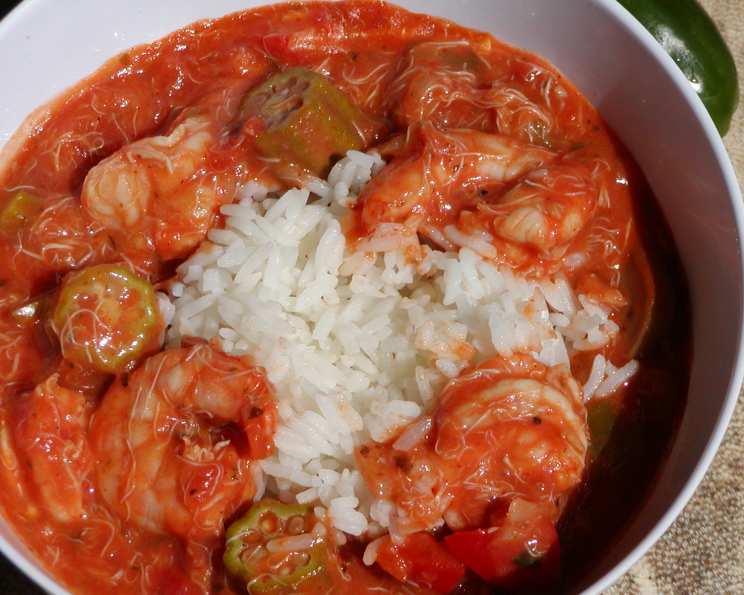
Gumbo With Shrimp, Crab & Andouille Sausage With Okra
The aroma alone transports me back to my grandmother’s kitchen in New Orleans. The humid air, thick with the scent of spices and the low hum of jazz music, created a backdrop for the bubbling pot of gumbo that simmered for hours. I remember sneaking tastes, the complex flavors dancing on my tongue – the smoky andouille, the sweet crab, the tender shrimp, all melded together in a rich, dark roux. This recipe is my attempt to capture that memory, that feeling of home, and share it with you.
Recipe Overview:
- Prep Time: 30 minutes
- Cook Time: 1 hour 20 minutes
- Total Time: 1 hour 50 minutes
- Servings: 12
- Yield: Approximately 12 servings
- Dietary Type: Varies (see variations)
Ingredients:
- 1⁄2 cup oil
- 3⁄4 cup flour
- 1 large onion, chopped
- 1 red bell pepper, chopped
- 1 green bell pepper, chopped
- 4 celery ribs, chopped
- 6 cloves garlic, minced
- 1 (28 ounce) can crushed tomatoes
- 1 lb okra, trimmed and sliced
- 1 gallon chicken stock or 1 bottle clam juice
- 2 bay leaves
- 1 teaspoon thyme
- 1 teaspoon oregano
- 1 teaspoon hot pepper sauce (optional)
- Salt to taste
- Fresh ground black pepper to taste
- Cayenne pepper to taste
- 1 lb andouille sausage, sliced about 1/4 inch thick on the bias, browned, fat removed
- 3 lbs medium shrimp, peeled and deveined seasoned with
- 1 tablespoon Creole seasoning or 1 tablespoon Old Bay Seasoning
- 2 lbs fresh lump crabmeat, picked over
- 6 cups cooked long-grain white rice
Equipment Needed:
- Large heavy pot (at least 8 quarts)
- Wooden spoon or heat-resistant spatula
- Large skillet or Dutch oven (for browning sausage)
- Cutting board
- Sharp knife
- Bowls for ingredients
Instructions:
- In a large heavy pot, heat the oil over medium heat.
- Add the flour to the hot oil. This is the beginning of your roux.
- Cook the roux, stirring constantly with a wooden spoon or heat-resistant spatula. It’s crucial to stir continuously to prevent burning. The roux will start light and gradually darken.
- Continue stirring until the roux reaches a light brown color, similar to peanut butter. This process can take anywhere from 20-30 minutes. Patience is key!
- As soon as the roux reaches the desired color, add the chopped onion, red bell pepper, green bell pepper, and celery. This mixture is known as the “holy trinity” in Cajun and Creole cuisine.
- Stir the vegetables into the roux and cook until they are tender, about 5-7 minutes. This will stop the roux from cooking further and prevent it from burning.
- Add the minced garlic and cook for another minute until fragrant, being careful not to burn it.
- Pour in the can of crushed tomatoes and stir to combine. The acidity from the tomatoes will help deglaze the pot, scraping up any flavorful bits that may have stuck to the bottom.
- Add the sliced okra to the pot and stir it in. Okra acts as a natural thickener for the gumbo.
- Gradually pour in the chicken stock (or clam juice), stirring continuously to ensure the roux dissolves completely and no lumps remain.
- Add the bay leaves, thyme, and oregano to the pot. These herbs will infuse the gumbo with their aromatic flavors.
- If desired, add hot pepper sauce for an extra kick. Adjust the amount to your preference.
- Season with salt, fresh ground black pepper, and cayenne pepper to taste. Remember that the andouille sausage and Creole/Old Bay seasoning will also contribute salt, so start with less and adjust as needed.
- Add the browned andouille sausage to the pot. The sausage should be sliced on the bias (at an angle) about 1/4 inch thick and the excess fat removed after browning.
- Stir all the ingredients together thoroughly.
- Bring the gumbo to a simmer over medium-low heat.
- Reduce the heat to low and simmer, uncovered, for one hour. This allows the flavors to meld together beautifully. Stir occasionally to prevent sticking.
- About 5 minutes before serving, add the shrimp to the pot. The shrimp should be peeled, deveined, and seasoned with Creole seasoning or Old Bay Seasoning prior to adding it to the gumbo.
- Stir the shrimp into the gumbo and cook until they turn pink and are cooked through. This usually takes only a few minutes. Be careful not to overcook the shrimp, or they will become rubbery.
- Add the crabmeat by the handful, stirring gently to distribute it evenly throughout the gumbo.
- Cook the gumbo over low heat just until the crabmeat is warmed through. Be careful not to overcook the crabmeat, or it will lose its delicate flavor and texture.
- Remove the bay leaves from the gumbo before serving.
- Serve the gumbo in large soup or gumbo bowls over about 1/2 cup of cooked long-grain white rice per serving.
Expert Tips & Tricks:
- Roux Perfection: Mastering the roux is the key to a great gumbo. Use a heavy-bottomed pot to prevent burning, and stir constantly. The darker the roux, the richer and more complex the flavor. However, be careful not to burn it, as a burnt roux will ruin the entire dish.
- Spice Level: Adjust the amount of cayenne pepper and hot pepper sauce to control the heat level. If you’re unsure, start with less and add more to taste.
- Sausage Selection: While andouille is traditional, you can use other types of smoked sausage if desired. Just make sure it’s a good quality sausage with plenty of flavor.
- Seafood Freshness: Use the freshest seafood possible for the best flavor. If using frozen shrimp, thaw them completely before adding them to the gumbo.
- Make-Ahead Tip: The gumbo base (everything up to the addition of the seafood) can be made ahead of time and refrigerated for up to 3 days. Add the shrimp and crabmeat just before serving.
Serving & Storage Suggestions:
Serve the gumbo hot, ladled over cooked rice in large bowls. Garnish with a sprinkle of fresh parsley or green onions for a pop of color. A side of crusty bread or cornbread is also a great addition.
Leftover gumbo can be stored in an airtight container in the refrigerator for up to 3 days. It can also be frozen for up to 2 months. To reheat, thaw the gumbo in the refrigerator overnight and then gently heat it on the stovetop over medium-low heat, stirring occasionally. Be careful not to overcook the seafood when reheating.
Nutritional Information:
| Nutrient | Amount per Serving | % Daily Value |
|---|---|---|
| Calories | 690.1 kcal | N/A |
| Calories from Fat | 119g | 17% |
| Total Fat | 13.3 g | 20% |
| Saturated Fat | 4.2 g | 20% |
| Cholesterol | 223.7 mg | 74% |
| Sodium | 1428.7 mg | 59% |
| Total Carbohydrate | 93.2 g | 31% |
| Dietary Fiber | 4.8 g | 19% |
| Sugars | 2.4 g | 9% |
| Protein | 46.1 g | 92% |
Variations & Substitutions:
- Chicken Gumbo: Add browned chicken pieces (thighs or drumsticks work well) along with the andouille sausage for a heartier gumbo.
- Seafood Medley: Use a combination of different types of seafood, such as oysters, crawfish, or mussels.
- Vegetarian Gumbo: Omit the sausage and seafood and add extra vegetables, such as mushrooms, sweet potatoes, or butternut squash. Use vegetable broth instead of chicken stock.
- Gluten-Free Gumbo: Ensure that the andouille sausage and Creole seasoning are gluten-free. You can also use a gluten-free flour blend for the roux, although it may not brown as deeply as regular flour.
- Spicy Gumbo: Add more cayenne pepper or hot pepper sauce to increase the heat. You can also use a spicier andouille sausage.
FAQs (Frequently Asked Questions):
Q: Can I adjust the spice level of this gumbo?
A: Absolutely! The amount of cayenne pepper and hot sauce can be adjusted to your liking. Start with a small amount and add more to taste.
Q: Can I use frozen okra instead of fresh?
A: Yes, frozen okra can be used if fresh is not available. Thaw it slightly before adding it to the gumbo.
Q: Can I make this gumbo ahead of time?
A: Yes, the gumbo base (everything up to the addition of the seafood) can be made a day or two in advance. Add the shrimp and crabmeat just before serving.
Q: What kind of rice is best for serving with gumbo?
A: Long-grain white rice is the most traditional choice, but you can also use brown rice, jasmine rice, or even cauliflower rice for a lower-carb option.
Q: How do I prevent the roux from burning?
A: Use a heavy-bottomed pot and stir the roux constantly over medium heat. If the roux starts to smoke or smell burnt, remove it from the heat immediately and stir in the vegetables.
Final Thoughts:
I sincerely hope this recipe allows you to experience a taste of authentic Creole cuisine, perhaps even sparking memories of your own family traditions. Don’t be intimidated by the slightly longer cooking time; the depth of flavor that develops is well worth the effort. Feel free to experiment with the ingredients and adjust the spice levels to your personal preferences. I encourage you to try this recipe, share it with loved ones, and let me know what you think! Pair it with a crisp Abita Amber beer for the ultimate Louisiana experience.