
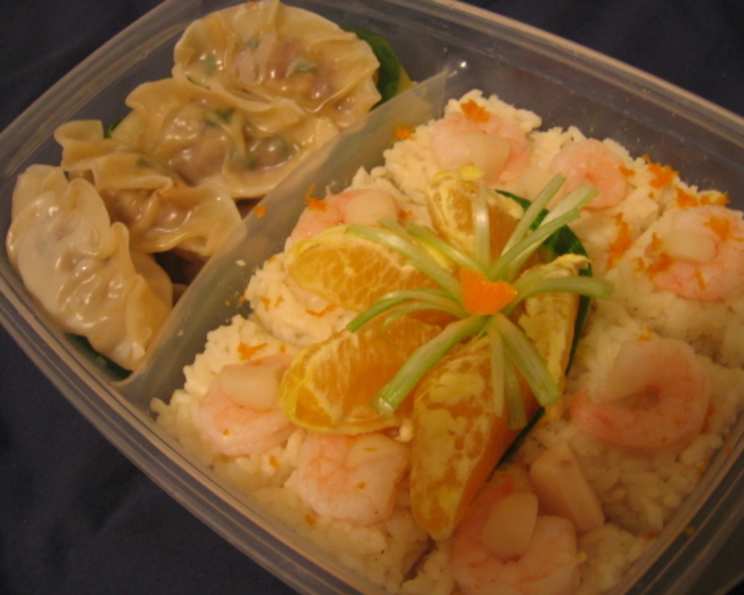
The Ultimate Gyoza Recipe: Pan-Fried Perfection
The first time I tasted truly exceptional gyoza, I was a wide-eyed culinary student on a shoestring budget exploring Tokyo’s backstreets. The aroma of sizzling sesame oil and savory pork hung heavy in the air, leading me to a tiny, unassuming stall. An elderly woman, her face etched with years of experience, deftly folded and pan-fried these little dumplings. Each bite was an explosion of flavor – the crispy, golden bottom giving way to a juicy, savory filling, all wrapped in a delicate, chewy skin. It was a revelation that ignited my passion for these little pockets of deliciousness, and I’ve been chasing that perfect gyoza ever since.
Recipe Overview
- Prep Time: 30 minutes
- Cook Time: 20 minutes
- Total Time: 50 minutes
- Servings: 4
- Yield: 24 Gyoza
- Dietary Type: Varies (Can be adapted for Gluten-Free)
Ingredients
- 24 gyoza skins
- 1/4 lb ground pork
- 4 cabbage leaves
- 4 green onions
- 1 clove garlic
- 1 inch fresh gingerroot
- 1 pinch salt
- 1 pinch pepper
- 1 dash soy sauce
- 1 tablespoon soy sauce
- Vegetable oil, for frying
- Water, for steaming
Equipment Needed
- Large mixing bowl
- Cutting board
- Chef’s knife
- Garlic press or grater
- Large non-stick skillet with lid
- Small bowl with water
Instructions
-
Start by preparing the filling. Thoroughly rinse the cabbage leaves and green onions under cold water. Pat them dry with paper towels to remove excess moisture. Mince the cabbage and green onions as finely as possible. The finer the mince, the better the texture of the filling.
-
Next, prepare the aromatics. Grate the ginger root using a microplane or fine grater. Alternatively, mince it very finely with a knife. Press or mince the garlic clove. I prefer using a garlic press for the most intense garlic flavor, but mincing works just as well.
-
In a large mixing bowl, combine the minced cabbage, minced green onions, grated ginger, pressed or minced garlic, and ground pork.
-
Season the mixture with salt, pepper, and a dash of soy sauce. Use your hands (clean hands, of course!) to thoroughly mix all the ingredients together. The key is to ensure the seasonings are evenly distributed throughout the pork and vegetable mixture. Don’t overmix, but ensure everything is well-combined.
-
Now it’s time to assemble the gyoza. Place a gyoza skin in the palm of your hand. Put 1 teaspoon of the pork mixture in the middle of the wrapper. Avoid overfilling, as this will make it difficult to seal the gyoza and can cause them to burst during cooking.
-
Dampen one edge of the wrapper with a little water. This helps to create a strong seal. Now, fold the wrapper over to form a half-moon shape. The classic gyoza shape involves creating accordion pleats on one side. To do this, start by pinching the wrapper together at one end. Then, create a small pleat on one side of the wrapper and press it firmly against the other side. Repeat this process along the edge of the wrapper, creating several pleats. If you’re not comfortable with pleating, simply press the edges together firmly to seal. You can also use the tines of a fork to press the edges together for a decorative, sealed edge.
-
Repeat steps 5 and 6 until all the filling is used or all the gyoza skins are filled.
-
Heat a good-sized, lightly oiled non-stick pan over medium heat. Spread the dumplings out in the pan, making sure they are not overcrowded. You may need to cook them in batches.
-
Sauté the gyoza on medium heat until the bottoms are nicely browned and crispy. This usually takes about 5-7 minutes. Keep a close eye on them to prevent burning.
-
Once the bottoms are browned, add enough water to cover just the bottom of the gyoza dumplings, about 1/4 to 1/2 cup. Immediately cover the pan with a lid.
-
Steam the gyoza until all the water has cooked off. This usually takes about 5-8 minutes. The steaming process ensures the filling is cooked through and the wrappers are tender.
-
Remove the lid and let the gyoza cook for another minute or two to crisp up the bottoms again, if necessary.
-
Remove the gyoza from the pan and serve immediately.
-
Prepare the dipping sauce. In a small bowl, combine equal parts of soy sauce and rice wine vinegar. Add a few drops of rayu (Chinese-style red chilli pepper oil) for a spicy kick, if desired.
Expert Tips & Tricks
- For extra crispy gyoza bottoms, after steaming, drizzle a little sesame oil around the edges of the dumplings and let them cook for an additional minute or two before removing them from the pan.
- To prevent the gyoza from sticking to the pan, make sure your pan is properly heated and oiled before adding the dumplings. A non-stick pan is essential.
- Prepare the filling ahead of time. The filling can be made a day in advance and stored in the refrigerator. This allows the flavors to meld together even more.
- Don’t overcrowd the pan. Overcrowding will lower the temperature of the pan and result in steamed, rather than crispy, gyoza.
- If you don’t have gyoza skins, you can use wonton wrappers, although they will be slightly thicker.
Serving & Storage Suggestions
Gyoza are best served hot and fresh, straight from the pan. Arrange them attractively on a plate and serve with the dipping sauce. They are a perfect appetizer or a light meal.
Leftover gyoza can be stored in an airtight container in the refrigerator for up to 3 days. To reheat, you can pan-fry them again with a little oil, steam them in a steamer basket, or microwave them (although microwaving will make them less crispy). Gyoza can also be frozen. To freeze, place the cooked gyoza on a baking sheet in a single layer and freeze until solid. Then, transfer them to a freezer bag or container. They can be stored in the freezer for up to 2 months. Reheat frozen gyoza directly from frozen by pan-frying or steaming them.
Nutritional Information
| Nutrient | Amount per Serving | % Daily Value |
|---|---|---|
| Calories | 250 kcal | 13% |
| Total Fat | 12g | 18% |
| Saturated Fat | 4g | 20% |
| Cholesterol | 30mg | 10% |
| Sodium | 400mg | 17% |
| Total Carbohydrate | 20g | 7% |
| Dietary Fiber | 2g | 8% |
| Sugars | 3g | |
| Protein | 15g | 30% |
Note: Nutritional information is an estimate and may vary based on specific ingredients and cooking methods.
Variations & Substitutions
- Chicken Gyoza: Substitute ground chicken for ground pork.
- Vegetarian Gyoza: Use a mixture of finely chopped mushrooms, carrots, and tofu for the filling. Add a little sesame oil for extra flavor.
- Shrimp Gyoza: Finely chop shrimp and mix it with minced ginger, green onions, and a touch of soy sauce.
- Spicy Gyoza: Add a pinch of red pepper flakes to the filling for a spicy kick.
- Gluten-Free Gyoza: Use gluten-free gyoza skins, which are available at many Asian grocery stores or online. Make sure to check the labels of all ingredients to ensure they are gluten-free.
- Dipping Sauce Variation: Try adding a splash of black vinegar or a few drops of sesame oil to the dipping sauce for a different flavor profile.
FAQs (Frequently Asked Questions)
Q: Can I make gyoza ahead of time and freeze them?
A: Yes, you can assemble the gyoza and freeze them before cooking. Place them on a baking sheet lined with parchment paper, making sure they don’t touch, and freeze until solid. Then, transfer them to a freezer bag or container. Cook them directly from frozen, adding a few extra minutes to the steaming time.
Q: Why are my gyoza sticking to the pan?
A: Make sure your pan is properly heated and oiled before adding the gyoza. A non-stick pan is essential. If they still stick, try adding a little more oil to the pan.
Q: How do I prevent the filling from being dry?
A: Make sure you don’t overcook the gyoza. The steaming process should cook the filling through without drying it out. Also, adding a small amount of liquid, like soy sauce or sesame oil, to the filling can help keep it moist.
Q: Can I use wonton wrappers instead of gyoza skins?
A: Yes, you can use wonton wrappers, but they will be slightly thicker than gyoza skins. You may need to cook them for a little longer to ensure they are cooked through.
Q: What can I substitute for rice wine vinegar in the dipping sauce?
A: If you don’t have rice wine vinegar, you can use white vinegar or apple cider vinegar as a substitute. However, the flavor will be slightly different.
Final Thoughts
Gyoza are more than just dumplings; they’re a culinary experience that combines texture, flavor, and a bit of artistry. Don’t be intimidated by the pleating – even if your first few attempts aren’t perfect, they’ll still taste delicious. Gather your friends and family, put on some music, and make an evening of it. These little pockets of joy are best enjoyed shared. Experiment with different fillings, try out various dipping sauces, and most importantly, have fun! I encourage you to try this recipe and share your creations. Pair your gyoza with a crisp Japanese beer or a fragrant cup of green tea for a truly authentic experience. Enjoy!