
Unlock Authentic Flavors: Mastering the Art of Gyoza Sauce
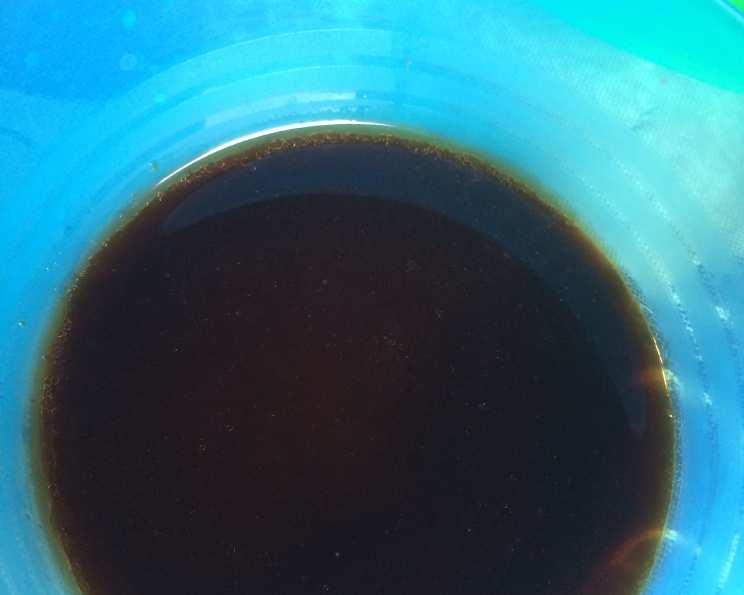
The scent always takes me back. I remember countless evenings spent crowded around a small, wobbly table at my grandmother’s house, the air thick with the savory aroma of pan-fried gyoza. The star, however, wasn’t just the perfectly browned dumplings, but the little bowl of dark, tangy sauce that accompanied them. Each dunk was an explosion of umami that elevated the humble gyoza to a culinary masterpiece. Replicating that magic has been a long and delightful journey, leading me to perfect this recipe that I’m excited to share with you.
Recipe Overview
- Prep Time: 3 minutes
- Cook Time: 0 minutes
- Total Time: 3 minutes
- Servings: Varies
- Yield: 1 batch
- Dietary Type: Vegan
Ingredients
- 1/3 cup low-sodium soy sauce
- 1/4 cup rice wine vinegar
- 1 tablespoon sesame oil
- Tabasco sauce or other hot sauce (such as sriracha), to taste
- 1 pinch sugar (optional)
Equipment Needed
- Small mixing bowl
- Whisk or spoon
- Measuring cups and spoons
Instructions
-
In a small mixing bowl, combine the soy sauce, rice wine vinegar, and sesame oil.
-
Add Tabasco sauce or sriracha to your preferred level of spiciness. Start with a few drops and taste, adding more until you reach your desired heat. Remember, you can always add more, but you can’t take it away!
-
Taste the sauce. If it’s too tart for your liking, add a small pinch of sugar. This will help balance the acidity of the vinegar. Mix well until the sugar dissolves completely.
-
Stir all ingredients together thoroughly with a whisk or spoon until fully combined.
-
Serve immediately or store for later use.
Expert Tips & Tricks
-
Adjusting the Tang: The ratio of soy sauce to rice wine vinegar is key. For a less tangy sauce, increase the amount of soy sauce and reduce the vinegar.
-
Sesame Oil Enhancement: Use toasted sesame oil for a richer, nuttier flavor. A little goes a long way, so start with the recommended amount and add more to taste.
-
Spice It Up: Experiment with different types of hot sauce. Sriracha adds a sweet and garlicky heat, while chili garlic sauce introduces texture and depth. You can also use a few drops of chili oil for a flavorful kick.
-
Fresh Additions: For a vibrant twist, consider adding finely minced fresh ginger, garlic, or green onions. These additions are best when the sauce is used within a week or two, as they don’t store as well as the base ingredients.
-
Sweetness Factor: The sugar is optional, but it can really round out the flavors. Start with a pinch and adjust to your liking. Honey or maple syrup can also be used as alternatives.
-
Umami Boost: Add a tiny amount of mushroom soy sauce for an extra layer of umami.
Serving & Storage Suggestions
This gyoza sauce is best served at room temperature. Pour a small amount into individual dipping bowls for each person. It’s, of course, perfect for gyoza, but also delicious with spring rolls, egg rolls, noodles, or as a marinade for grilled meats and vegetables.
Storage: The sauce stores exceptionally well in the refrigerator. Transfer it to an airtight container or jar and it will keep for several months. If you’ve added fresh ingredients like ginger or garlic, it’s best to use it within one to two weeks. There is no need to freeze this sauce. The flavors may change slightly with freezing and thawing.
Nutritional Information
| Nutrient | Amount per Serving (estimated) | % Daily Value (estimated) |
|---|---|---|
| Calories | 30 kcal | 2% |
| Total Fat | 2.5 g | 4% |
| Saturated Fat | 0.4 g | 2% |
| Sodium | 500 mg | 21% |
| Total Carbohydrate | 2 g | 1% |
| Dietary Fiber | 0 g | 0% |
| Sugars | 0.5 g | 1% |
| Protein | 1 g | 2% |
Please note: This is an estimated nutritional breakdown and can vary based on specific ingredient brands and amounts.
Variations & Substitutions
-
Gluten-Free: Ensure you use tamari instead of soy sauce. Tamari is a Japanese soy sauce that is typically gluten-free.
-
Low-Sodium: While the recipe already calls for low-sodium soy sauce, you can further reduce the sodium content by using a low-sodium tamari instead.
-
Spicy Sesame: Infuse the sesame oil with chili flakes for a few hours before using it in the sauce for a more intense spicy sesame flavor.
-
Citrus Burst: Add a teaspoon of fresh lemon or lime juice for a bright, zesty twist.
-
Yuzu Kosho: For a unique flavor profile, incorporate a small amount of yuzu kosho, a Japanese citrus chili paste. Be cautious, as it can be quite potent.
FAQs (Frequently Asked Questions)
Q: Can I make this sauce ahead of time?
A: Absolutely! In fact, the flavors meld together even better if the sauce sits for a few hours before serving. Just store it in an airtight container in the refrigerator.
Q: How long does the sauce last in the refrigerator?
A: The sauce can last for several months in the refrigerator if stored properly in an airtight container. However, if you add fresh ingredients like garlic or ginger, it’s best to use it within one to two weeks.
Q: Can I adjust the sweetness of the sauce?
A: Yes, you can easily adjust the sweetness by adding a pinch more or less sugar, honey, or maple syrup. Start with a small amount and taste as you go.
Q: What if I don’t have rice wine vinegar? Can I use another type of vinegar?
A: Rice wine vinegar is ideal for its mild and slightly sweet flavor. However, if you don’t have it on hand, you can substitute it with apple cider vinegar or white wine vinegar. Use a slightly smaller amount, as these vinegars are more acidic.
Q: Can I use this sauce for other dishes besides gyoza?
A: Definitely! This sauce is incredibly versatile and can be used as a dipping sauce for spring rolls, egg rolls, and dumplings of all kinds. It also works well as a marinade for grilled meats and vegetables, or as a flavorful dressing for noodles.
Final Thoughts
Now that you’ve unlocked the secrets to crafting the perfect gyoza sauce, I encourage you to experiment and make it your own. Play with the spice level, adjust the sweetness, and add your favorite fresh herbs and aromatics. Don’t be afraid to try it with different dishes – you might be surprised at how versatile it is! I’d love to hear about your creations and any personal touches you add to the recipe. Perhaps pair it with a crisp, dry sake for the ultimate culinary experience. Happy cooking!