
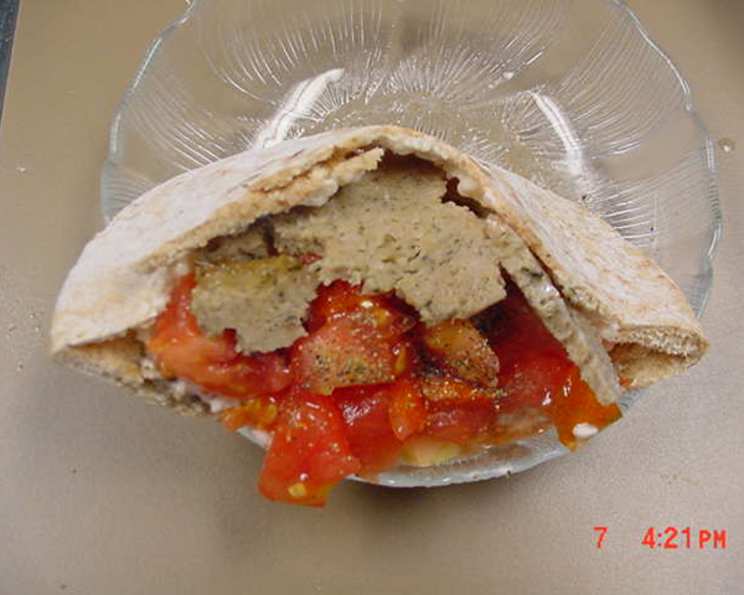
The Ultimate Homemade Gyro: A Culinary Journey
There’s a certain magic to gyros, isn’t there? My first encounter was at a bustling street fair in Athens, years ago. The air was thick with the aroma of roasting meat, herbs, and warm pita. The vendor, a jovial man with flour dusting his apron, handed me a gyro overflowing with juicy, spiced lamb, cool tzatziki, and vibrant tomatoes. That first bite – the explosion of flavors and textures – transported me. I’ve been chasing that taste ever since, and this recipe, honed over countless attempts, gets remarkably close to capturing that authentic Greek experience.
Recipe Overview
- Prep Time: 45 minutes
- Cook Time: 60-75 minutes (oven) / 45-60 minutes (rotisserie)
- Total Time: 2 hours 45 minutes (includes yogurt draining)
- Servings: 7
- Dietary Type: Not Gluten-Free
Ingredients
For the Gyro Meat:
- 1 medium onion, finely chopped
- 2 lbs ground lamb
- 1 tablespoon finely minced garlic
- 1 tablespoon dried marjoram
- 1 tablespoon dried ground rosemary
- 2 teaspoons kosher salt
- 1⁄2 teaspoon fresh ground black pepper
For the Tzatziki Sauce:
- 16 ounces plain yogurt
- 1 medium cucumber, peeled, seeded, and finely chopped
- 1 pinch kosher salt
- 4 garlic cloves, finely minced
- 1 tablespoon olive oil
- 2 teaspoons red wine vinegar
- 5-6 mint leaves, finely minced
For Serving (Optional):
- Pita bread
- 1 medium tomato, chopped
- 1 small onion, chopped
- 5-6 ounce feta cheese, crumbled
Equipment Needed
- Food processor
- Strainer or tea towel
- Loaf pan
- Baking dish (for water bath)
- Cooling rack
- Aluminum foil
- Plastic wrap (for shaping)
- Rotisserie (optional)
- Grill (optional)
- Medium mixing bowl
Instructions
- Prepare the Onion: Chop the onion in a food processor for 10 to 15 seconds. Remove and transfer the onion to the center of a tea towel. Gather the ends of the towel and squeeze firmly to remove almost all of the juice. Discard the juice.
- Make the Meat Paste: Return the squeezed onion to the food processor. Add the ground lamb, finely minced garlic, dried marjoram, dried ground rosemary, kosher salt, and fresh ground black pepper.
- Process the Meat Mixture: Process the mixture until it forms a fine paste, approximately 1 minute. Stop the processor as needed to scrape down the sides of the bowl to ensure even processing.
- Oven Method (Meatloaf Style): Preheat the oven to 325 degrees F (160 degrees C).
- Prepare the Loaf Pan: Place the meat mixture into a loaf pan, pressing it firmly into the sides of the pan to eliminate air pockets.
- Create a Water Bath: Place the loaf pan inside a larger baking dish. Add hot water to the larger dish until the water level reaches halfway up the sides of the loaf pan.
- Bake the Meatloaf: Bake for 60 to 75 minutes, or until the internal temperature of the meat reaches 165 to 170 degrees F (74-77 degrees C).
- Drain and Cool: Remove the loaf pan from the oven and carefully drain off any rendered fat. Place the loaf pan on a cooling rack.
- Compress the Meatloaf (Optional): Wrap a brick tightly in aluminum foil. Place the foil-wrapped brick directly on the surface of the meatloaf in the pan. Allow it to sit for 15 to 20 minutes, until the internal temperature reaches 175 degrees F (79 degrees C). This helps compress the meat and improves its texture.
- Shaping and Refrigerating Method (for Rotisserie or Grilling): If using a rotisserie or grilling, form the meat mixture into a loaf shape on two overlapping pieces of plastic wrap (at least 18 inches long). Roll the mixture tightly in the plastic wrap, removing any air pockets. Twist the ends of the plastic wrap until the surface is tight. Refrigerate for at least 2 hours, or preferably overnight, to allow the mixture to firm up.
- Grilling/Rotisserie Method: Preheat the grill to high.
- Prepare the Rotisserie: Place the meat onto the rotisserie skewer, ensuring it’s balanced. Place a double-thick piece of aluminum foil folded into a tray directly under the meat to catch any drippings, preventing flare-ups and making cleanup easier.
- Cook the Meat: Cook on high for 15 minutes. Decrease the heat to medium and continue to cook for another 20 to 30 minutes, or until the internal temperature of the meat reaches 165 degrees F (74 degrees C). Turn off the heat and allow the meat to continue to spin for another 10 to 15 minutes, or until the internal temperature reaches 175 degrees F (79 degrees C).
- Make the Tzatziki Sauce: Place the yogurt in a tea towel, gather up the edges, suspend over a bowl, and drain for 2 hours in the refrigerator. This step is crucial for a thick, creamy tzatziki.
- Prepare the Cucumber: Place the chopped, seeded cucumber in a tea towel and squeeze firmly to remove the liquid. Discard the liquid. This prevents the tzatziki from becoming watery.
- Combine Ingredients: In a medium mixing bowl, combine the drained yogurt, squeezed cucumber, kosher salt, finely minced garlic, olive oil, red wine vinegar, and finely minced mint.
- Assemble the Gyros: Slice the gyro meat thinly. Warm pita bread and fill with sliced gyro meat, tzatziki sauce, chopped onion, chopped tomato, and crumbled feta cheese (if using).
Expert Tips & Tricks
- Squeezing the Onion and Cucumber: Don’t skip the step of squeezing the onion and cucumber! This is critical for preventing a watery gyro and tzatziki.
- Lamb Fat Content: Ground lamb can vary in fat content. If your lamb is particularly fatty, consider partially freezing the loaf after shaping and before cooking to help it hold its form.
- Spice Level: Adjust the garlic and pepper to your preference. If you like a spicier gyro, add a pinch of red pepper flakes to the meat mixture.
- Marinating Time: While the recipe doesn’t require marinating, allowing the meat mixture to sit in the refrigerator for a few hours (or overnight) before cooking will enhance the flavor.
- Thin Slicing: For authentic gyro slices, use a very sharp knife or an electric meat slicer to get even, thin slices. If the meatloaf is a bit crumbly, chilling it thoroughly before slicing will help.
- Alternative Cooking Methods: If you don’t have a rotisserie or want to avoid the oven, you can also cook the meat mixture in a large skillet over medium heat, breaking it up as it cooks. Just be sure to drain off any excess fat.
Serving & Storage Suggestions
Serve the gyros immediately for the best taste and texture. Leftover gyro meat and tzatziki sauce should be stored separately in airtight containers in the refrigerator. The gyro meat will last for 3-4 days, and the tzatziki sauce will last for up to a week. Reheat the gyro meat in a skillet, microwave, or oven before serving. Do not leave the assembled gyro sitting at room temperature for more than 2 hours. While freezing is possible, the texture of the gyro meat may change slightly upon thawing.
Nutritional Information
| Nutrient | Amount per Serving | % Daily Value |
|---|---|---|
| Calories | 898 kcal | N/A |
| Total Fat | 69g | 106% |
| Saturated Fat | 31g | 152% |
| Cholesterol | 212mg | 70% |
| Sodium | 979mg | 40% |
| Total Carbohydrate | 17g | 5% |
| Dietary Fiber | 2g | 8% |
| Sugars | 10g | N/A |
| Protein | 50g | 100% |
Note: Nutritional information is an estimate and may vary based on specific ingredients and preparation methods.
Variations & Substitutions
- Chicken Gyro: Substitute ground chicken for the lamb for a lighter version.
- Spicy Tzatziki: Add a pinch of red pepper flakes or a finely minced jalapeño to the tzatziki sauce.
- Vegan Gyro: Use plant-based ground meat alternative and a vegan yogurt for the tzatziki.
- Gluten-Free: Serve the gyro fillings in lettuce wraps or with gluten-free pita bread.
- Herbs: Experiment with different herbs in the meat mixture, such as oregano or thyme.
- Yogurt: Greek yogurt is the standard, but you can use other plain yogurts. Just be sure to drain them well.
FAQs (Frequently Asked Questions)
Q: Why is it important to squeeze the liquid out of the onion and cucumber?
A: Squeezing removes excess moisture, preventing a soggy gyro and watery tzatziki sauce, and concentrating the flavors.
Q: Can I use a different cut of meat besides ground lamb?
A: While ground lamb is traditional, you can use ground beef or a mixture of lamb and beef. The flavor will be slightly different.
Q: How can I prevent the gyro meatloaf from being dry?
A: Ensure you don’t overcook the meat. Use a meat thermometer to monitor the internal temperature and remove it from the oven once it reaches 165-170°F (74-77°C). The water bath also helps retain moisture.
Q: Can I make the tzatziki sauce ahead of time?
A: Yes, the tzatziki sauce can be made a day or two in advance. In fact, the flavors often meld and improve with time. Store it in an airtight container in the refrigerator.
Q: What is the best way to warm the pita bread?
A: You can warm pita bread in a dry skillet over medium heat, in the oven wrapped in foil, or briefly in the microwave. Just be careful not to overcook it, or it will become hard.
Final Thoughts
This homemade gyro recipe, though it requires a bit of effort, is well worth the reward. The juicy, flavorful meat paired with the cool, refreshing tzatziki is a symphony of flavors that will transport you straight to the Mediterranean. Gather your ingredients, follow these steps, and don’t be afraid to experiment with your own variations. Most importantly, have fun and enjoy the process of creating this delicious and satisfying dish. Don’t forget to share your creations and any feedback – I’m excited to hear how yours turn out! Consider pairing it with a crisp Greek salad or a glass of Assyrtiko wine for a truly authentic experience.