
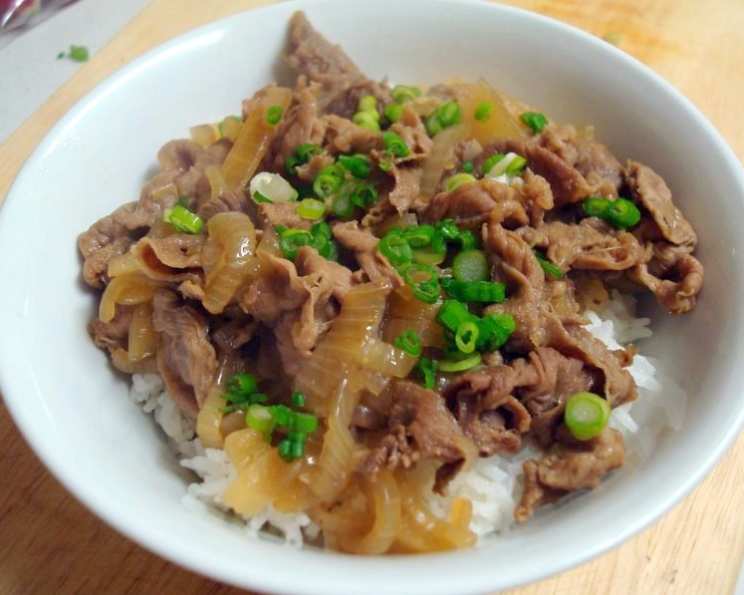
Gyudon: A Taste of Tokyo in Your Kitchen
The first time I had gyudon, I was jet-lagged and wandering through a bustling Tokyo train station. The aroma of sweet soy and savory beef pulled me towards a tiny, brightly lit stall. Perched on a stool, I slurped down a steaming bowl, the tender beef and sweet onions melting into the fluffy rice. That simple bowl, a perfect marriage of sweet and savory, became a culinary touchstone, a memory I chase with every batch I make in my own kitchen.
Recipe Overview
- Prep Time: 10 minutes
- Cook Time: 10 minutes
- Total Time: 20 minutes
- Servings: 4
- Dietary Type: None Specified
Ingredients
- 1 lb very thinly sliced beef (fatty beef chuck or ribeye. For a quick meal, use already browned ground beef, drained of grease)
- 1 small onion, thinly sliced
- 1 cup water
- ¼ cup mirin
- ¼ cup soy sauce
- ¼ cup sake
- 3 tablespoons sugar
- 1 teaspoon hon dashi powder (available in Asian stores or online)
- 4 cups cooked rice
Equipment Needed
- Large skillet or wok
- Measuring cups and spoons
- Rice bowls
Instructions
- In a large skillet or wok, combine water, mirin, soy sauce, sake, sugar, and hon dashi powder.
- Bring to a boil over medium heat, stirring to dissolve the sugar and dashi powder. This is your warishita, the soul of gyudon.
- Add the thinly sliced beef (or already browned ground beef) and sliced onions to the simmering sauce. Ensure the beef is spread out in a single layer for even cooking.
- Cook until the beef is cooked through (approximately 5 minutes if using thinly sliced beef, less if using pre-browned ground beef), stirring occasionally to prevent sticking. The onions should become translucent and softened. If using ground beef, ensure it’s heated through.
- Adjust the seasoning with additional soy sauce and sugar to taste, ensuring a balance between savory and sweet. Remember that the flavors will intensify slightly as the sauce reduces.
- Divide the cooked rice evenly into four deep rice bowls. Fluff the rice before portioning to ensure a light and airy texture.
- Spoon the simmered beef and onion mixture generously over the rice in each bowl. Be sure to include plenty of the flavorful sauce.
Expert Tips & Tricks
- Achieving the Perfect Beef: The key to gyudon is thinly sliced beef. If you can’t find it pre-sliced, partially freeze a beef chuck or ribeye and then use a sharp knife or meat slicer to cut it thinly against the grain.
- Flavor Boost: For an even deeper umami flavor, consider adding a small piece of kombu (dried kelp) to the warishita while it simmers. Remove it before serving.
- Onion Caramelization: While gyudon traditionally features softened, not caramelized, onions, you can gently caramelize a portion of the onions separately for a more intense flavor contrast. Add them on top of the finished dish.
- Make-Ahead Tip: The warishita sauce can be made ahead of time and stored in the refrigerator for up to 3 days. This will save you valuable time during meal preparation. You can also cook the beef and onions ahead of time and reheat them gently before serving.
- Fixing a Too-Salty Sauce: If your warishita sauce is too salty, add a splash of sake or mirin to balance the flavors. A tiny amount of sugar can also help.
Serving & Storage Suggestions
Serve your gyudon immediately while it’s hot. Garnishes can elevate the presentation and add a burst of freshness. Consider topping with:
- Soft boiled egg: A runny yolk adds richness and coats the rice and beef beautifully.
- Pickled ginger (beni shoga): Provides a tangy counterpoint to the sweetness of the sauce.
- Chopped green onions: Add a vibrant color and fresh, oniony flavor.
- Sesame seeds: Offer a nutty aroma and subtle crunch.
- A sprinkle of shichimi togarashi (Japanese seven-spice blend): Provides a gentle kick of heat.
Leftover gyudon can be stored in an airtight container in the refrigerator for up to 3 days. Reheat gently in a skillet or microwave. Add a splash of water or broth to prevent the beef from drying out. Freezing is not recommended, as the texture of the beef and onions may change.
Nutritional Information
| Nutrient | Amount per Serving | % Daily Value (approximate) |
|---|---|---|
| Calories | 544 kcal | 27% |
| Total Fat | 20.2g | 31% |
| Saturated Fat | 8.4g | 42% |
| Cholesterol | 28.1mg | 9% |
| Sodium | 282mg | 12% |
| Total Carbohydrate | 16.7g | 6% |
| Dietary Fiber | 0.3g | 1% |
| Sugars | 2.7g | N/A |
| Protein | 4g | 8% |
Note: Nutritional information is an estimate and can vary based on specific ingredients and portion sizes.
Variations & Substitutions
- Spicy Gyudon: Add a pinch of red pepper flakes or a drizzle of chili oil to the warishita sauce for a spicy kick.
- Kimchi Gyudon: Top your gyudon with a spoonful of kimchi for a tangy and spicy twist.
- Vegan Gyudon: Substitute the beef with sliced shiitake mushrooms or tofu. Use vegetable broth instead of water and dashi powder.
- Chicken Gyudon (Oyakodon): Use sliced chicken thigh instead of beef.
- Pork Gyudon (Butadon): Use thinly sliced pork belly instead of beef.
- Egg Drop Gyudon: Whisk an egg and drizzle it over the beef and onions during the last minute of cooking. Cover the skillet and let it steam until the egg is set.
FAQs (Frequently Asked Questions)
Q: Can I use ground beef instead of thinly sliced beef?
A: Yes, ground beef can be used for a quicker version. Be sure to brown it first and drain off any excess grease.
Q: Where can I find hon dashi powder?
A: Hon dashi powder is available in most Asian grocery stores or online retailers.
Q: Can I make this recipe gluten-free?
A: Yes, you can substitute the soy sauce with tamari, a gluten-free soy sauce alternative.
Q: How can I prevent the beef from becoming tough?
A: Use thinly sliced beef and avoid overcooking it. Cook it just until it’s cooked through.
Q: What kind of rice should I use?
A: Short-grain Japanese rice is the traditional choice, as it’s slightly sticky and holds its shape well. However, any cooked rice you enjoy will work.
Final Thoughts
Gyudon is more than just a beef bowl; it’s a comforting and satisfying taste of Japan. Don’t be intimidated by the simplicity of the recipe. The combination of flavors is surprisingly complex and deeply satisfying. Gather your ingredients, follow these steps, and bring a taste of Tokyo to your home kitchen. I encourage you to experiment with variations and toppings to create your own signature gyudon. And please, share your experiences – I’d love to hear what you think! Pair this with a chilled glass of sake or a crisp Japanese beer for the full experience.