
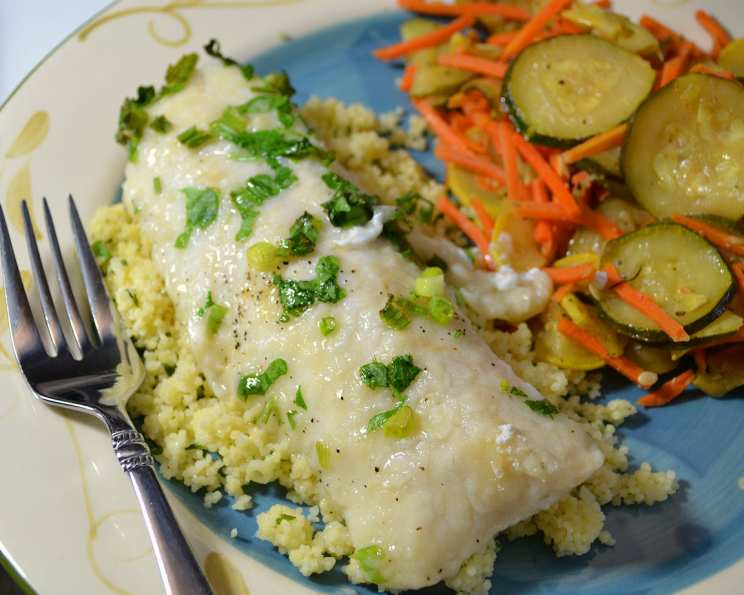
Haddock Fillets in White Wine
The memory is etched in my mind: a small seaside trattoria in Cinque Terre, the air thick with salt and the scent of blooming jasmine. We sat at a wobbly table overlooking the Ligurian Sea, and the proprietor, a woman with eyes as deep and blue as the water, presented us with a dish of flaky white fish bathed in a fragrant white wine sauce. The simplicity of the dish was its genius – fresh haddock, a whisper of herbs, and the kiss of the sea in every bite. It was a meal that captured the essence of the Italian coast, a reminder that the best food is often the most unadorned. This recipe brings me right back to that sun-drenched afternoon.
Recipe Overview
- Prep Time: 10 minutes
- Cook Time: 14 minutes
- Total Time: 24 minutes
- Servings: 4
- Dietary Type: Pescatarian
Ingredients
- 1 1/2 lbs haddock fillets
- 1/4 teaspoon salt (or to taste)
- 1/4 teaspoon pepper (or to taste)
- 1/2 cup all-purpose flour
- 1 tablespoon butter or 1 tablespoon margarine
- 1/4 cup chopped fresh parsley
- 2 tablespoons chopped green onions
- 1/2 cup dry white wine
Equipment Needed
- 13×9 inch baking dish
- Small bowl for flour
- Measuring cups and spoons
Instructions
-
Begin by preheating your oven to 400°F (200°C). Make sure the rack is positioned in the center of the oven for even cooking.
-
Take the haddock fillets and gently pat them dry with a paper towel. This will help the flour adhere properly.
-
In a small bowl, combine the salt and pepper. Sprinkle this mixture evenly over both sides of the haddock fillets. Adjust the amount of seasoning to your personal preference.
-
Place the all-purpose flour in a shallow dish or on a plate. Lightly dredge each haddock fillet in the flour, ensuring that both sides are coated. Shake off any excess flour; you want a thin coating, not a thick crust.
-
Grease a 13×9 inch baking dish. You can use cooking spray, a light coating of oil, or even a bit of the butter from the recipe.
-
Arrange the floured haddock fillets in the prepared baking dish in a single layer. Make sure they are not overlapping, so they cook evenly.
-
Dot the fillets with the butter (or margarine). Cut the butter into small pieces and distribute them evenly over the fish.
-
Sprinkle the chopped fresh parsley and chopped green onions over the haddock fillets. This will add freshness and visual appeal to the dish.
-
Carefully pour the dry white wine around the fillets in the baking dish. Be careful not to pour the wine directly on top of the fillets, which could wash away the flour and seasonings. The wine should fill the bottom of the dish without completely submerging the fish.
-
Bake in the preheated 400°F (200°C) oven for 12-14 minutes, or until the fish flakes easily with a fork. The exact cooking time will depend on the thickness of the fillets. To check for doneness, insert a fork into the thickest part of a fillet and gently twist. If the fish separates easily into flakes, it’s done.
Expert Tips & Tricks
- Don’t overcook the fish! Haddock is a delicate fish and can become dry and rubbery if overcooked. Err on the side of caution and check for doneness a minute or two before the recommended cooking time.
- Enhance the wine sauce: For a richer sauce, you can add a tablespoon of heavy cream or crème fraîche during the last few minutes of cooking.
- Spice it up: A pinch of red pepper flakes added to the flour mixture will give the dish a subtle kick.
- Fresh herbs are key: While dried herbs can be used in a pinch, fresh parsley and green onions will provide the best flavor. Consider adding a sprig of fresh thyme or rosemary to the baking dish for an extra layer of aroma.
- Make it ahead: You can assemble the dish (up to step 9) a few hours in advance and keep it covered in the refrigerator. Add the wine just before baking.
Serving & Storage Suggestions
Serve the Haddock Fillets in White Wine immediately after baking, while the fish is still hot and flaky, and the sauce is fragrant. Spoon the wine sauce over the fish for added flavor and moisture. This dish pairs beautifully with steamed rice, roasted vegetables (such as asparagus or broccoli), or a simple green salad. A crusty loaf of bread is also a great accompaniment for soaking up the delicious sauce.
Leftovers can be stored in an airtight container in the refrigerator for up to 2 days. Reheat gently in the oven or microwave until heated through. Note that the fish may become slightly less tender upon reheating.
I do not recommend freezing this dish, as the texture of the haddock can suffer.
Nutritional Information
| Nutrient | Amount per Serving | % Daily Value |
|---|---|---|
| Calories | 235.3 kcal | N/A |
| Calories from Fat | 34 g | 15% |
| Total Fat | 3.8 g | 5% |
| Saturated Fat | 2 g | 10% |
| Cholesterol | 99.7 mg | 33% |
| Sodium | 538.3 mg | 22% |
| Total Carbohydrate | 13.2 g | 4% |
| Dietary Fiber | 0.7 g | 2% |
| Sugars | 0.4 g | 1% |
| Protein | 29.7 g | 59% |
Note: Nutritional information is an estimate and may vary based on specific ingredients and portion sizes.
Variations & Substitutions
- Gluten-Free: Substitute the all-purpose flour with a gluten-free flour blend. Make sure to choose a blend that is suitable for baking and has a neutral flavor.
- Dairy-Free: Use margarine instead of butter, or substitute with olive oil for dotting the fillets.
- Herb Variations: Experiment with different herbs, such as dill, tarragon, or chives, in place of or in addition to the parsley and green onions.
- Vegetable Additions: Add sliced mushrooms, shallots, or cherry tomatoes to the baking dish for extra flavor and nutrients. Sauté them lightly before adding to the dish.
- Wine Alternatives: If you don’t have dry white wine on hand, you can use chicken broth or vegetable broth instead. Add a splash of lemon juice for acidity.
- Fish Options: While haddock is the star of this recipe, you can also use cod, tilapia, or any other mild white fish.
FAQs (Frequently Asked Questions)
Q: Can I use frozen haddock fillets?
A: Yes, but make sure to thaw them completely before cooking and pat them dry with a paper towel to remove any excess moisture.
Q: How do I know when the fish is cooked through?
A: The fish is done when it flakes easily with a fork and is no longer translucent in the center. The internal temperature should reach 145°F (63°C).
Q: Can I use a different type of white wine?
A: Yes, any dry white wine will work well in this recipe. Sauvignon Blanc, Pinot Grigio, or Chardonnay are all good choices. Avoid sweet wines, as they will alter the flavor of the dish.
Q: Can I add lemon juice to the sauce?
A: Absolutely! A squeeze of fresh lemon juice can brighten up the sauce and add a touch of acidity. Add it towards the end of the cooking time.
Q: What can I serve with this dish?
A: This dish pairs well with a variety of sides, such as steamed rice, roasted vegetables, mashed potatoes, or a simple green salad. A crusty loaf of bread is also a great addition for soaking up the delicious sauce.
Final Thoughts
This recipe for Haddock Fillets in White Wine is a testament to the beauty of simple, fresh ingredients. It’s a dish that’s elegant enough for a special occasion yet easy enough for a weeknight meal. I encourage you to give it a try and experience the delightful flavors for yourself. Don’t be afraid to experiment with different herbs and vegetables to create your own unique twist. And if you do, please share your feedback – I’d love to hear how it turns out! Pair it with a crisp glass of white wine and transport yourself to the sun-kissed shores of the Mediterranean. Bon appétit!