
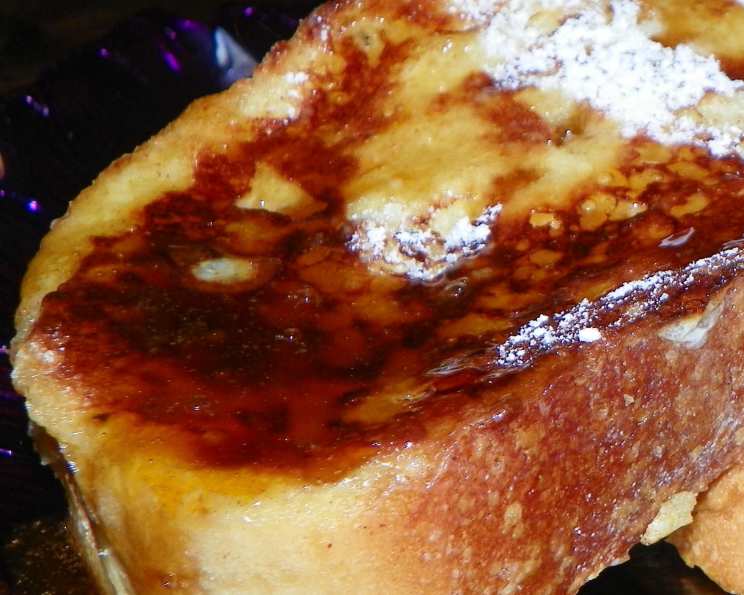
Haitian French Toast: Pain Perdu, Found Treasure
The memory floods back with the aroma – my grandmother’s small, sun-drenched kitchen in Port-au-Prince, the air thick with the scent of cinnamon and caramelized sugar. She would always make Pain Perdu, what we called Haitian French Toast, on Sunday mornings after church. It wasn’t just breakfast; it was a ritual, a warm embrace that started the day with sweetness and love. The slightly crispy edges, the soft, custard-soaked center…it was a taste of home, a taste of pure joy. Now, every time I make this dish, I’m transported back to her kitchen, apron strings tied, ready to learn the secrets of this simple yet divine treat.
Recipe Overview
- Prep Time: 15 minutes
- Cook Time: 10 minutes
- Total Time: 25 minutes
- Servings: 6
- Dietary Type: Vegetarian
Ingredients
- 1 day old French baguette
- 1 cup orange juice
- ½ cup heavy cream
- 2 eggs
- 1 teaspoon cinnamon
- ¼ cup white sugar
- 1 dash ground nutmeg (freshly grated is best)
- 3 tablespoons butter
- 2 tablespoons powdered sugar (for dusting)
Equipment Needed
- 9×13 inch baking pan
- Whisk
- Large skillet
- Measuring cups and spoons
- Grater (for nutmeg, optional)
Instructions
-
Begin by preparing the French baguette. Cut off the ends and reserve them for another use, such as croutons or breadcrumbs. Slice the remaining baguette into approximately ½-inch thick slices.
-
Place the sliced baguette pieces on a baking sheet or wire rack. Allow them to stand for at least 4 hours, or preferably overnight, to dry out. This step is crucial, as it allows the bread to absorb the custard mixture without becoming soggy.
-
In a 9×13 inch baking pan, whisk together the orange juice, heavy cream, eggs, cinnamon, nutmeg, and white sugar. Ensure all ingredients are well combined to create a smooth and flavorful custard.
-
Submerge the dried bread slices in the custard mixture. Turn each slice to ensure it is thoroughly soaked in the liquid. Allow the bread to sit in the custard for a few minutes on each side, until it has absorbed a generous amount of the mixture. The more custard absorbed, the richer the final result will be.
-
In a large skillet, melt butter over medium to medium-high heat. The butter should be melted and shimmering, but not browned. Work in batches to avoid overcrowding the skillet.
-
Carefully place the soaked bread slices into the hot skillet. Cook for approximately 5 minutes per side, or until golden brown and slightly crisp. Monitor the heat closely to prevent burning. If the bread is browning too quickly, reduce the heat slightly.
-
Remove the cooked French toast slices from the skillet and place them on a serving platter. While still warm, generously dust with powdered sugar.
-
Serve immediately with your favorite toppings. Maple syrup or fresh fruit syrup are both excellent choices. Fresh berries, whipped cream, or a sprinkle of additional cinnamon also make delightful additions.
Expert Tips & Tricks
- Bread Matters: Using a day-old baguette is essential for achieving the perfect texture. Fresh bread will simply become too soggy. If you only have fresh bread, you can dry it out in a low oven (around 200°F) for about 30-45 minutes.
- Custard Consistency: Don’t be afraid to experiment with the ratio of liquid to eggs in the custard. More eggs will result in a richer, denser French toast, while more liquid will make it lighter and more delicate.
- Spice it Up: Feel free to add other spices to the custard, such as a pinch of cardamom or a dash of vanilla extract. A little orange zest can also brighten the flavor.
- Preventing Soggy French Toast: Ensuring the bread is properly dried out before soaking is paramount. Also, don’t overcrowd the pan when cooking, as this will lower the temperature and result in steamed, rather than crisped, French toast.
- Make Ahead Tip: You can prepare the custard mixture the night before and store it in the refrigerator. This will allow the flavors to meld together even more.
- Even Cooking: To ensure even cooking, use a skillet that distributes heat evenly. Cast iron skillets are excellent for this purpose.
Serving & Storage Suggestions
Serve Haitian French Toast immediately while it’s warm and the edges are crisp. It’s best enjoyed with a drizzle of maple syrup or a compote made from seasonal fruits like mangoes or berries. For a special touch, consider serving it with a dollop of whipped cream and a sprinkle of toasted nuts.
Leftovers can be stored in an airtight container in the refrigerator for up to 2 days. To reheat, you can use a skillet over low heat, a toaster oven, or even a microwave (although the texture will be softer). To reheat in the oven, preheat to 350°F and bake for about 10-15 minutes, or until warmed through. It’s generally not recommended to freeze French toast, as the texture can become quite soggy upon thawing.
Nutritional Information
| Nutrient | Amount per Serving | % Daily Value |
|---|---|---|
| Calories | 236 kcal | 12% |
| Total Fat | 15g | 23% |
| Saturated Fat | 9g | 45% |
| Cholesterol | 104mg | 35% |
| Sodium | 137mg | 6% |
| Total Carbohydrate | 22g | 7% |
| Dietary Fiber | 1g | 4% |
| Sugars | 15g | 30% |
| Protein | 4g | 8% |
Variations & Substitutions
- Dairy-Free: Substitute the heavy cream with coconut cream or almond milk for a dairy-free version. Use a vegan butter alternative for cooking.
- Gluten-Free: Use a gluten-free baguette. Many bakeries now offer excellent gluten-free bread options.
- Spiced Rum: Add a tablespoon of spiced rum to the custard mixture for an extra kick (for adults only, of course!).
- Citrus Zest: Enhance the orange flavor by adding a teaspoon of orange zest to the custard.
- Seasonal Fruit: Top with seasonal fruit compotes or fresh berries for a vibrant and flavorful twist. In the summer, consider peaches or nectarines; in the fall, apples or pears.
- Tropical Twist: Replace orange juice with pineapple juice and add shredded coconut to the custard for a tropical twist.
FAQs (Frequently Asked Questions)
Q: Can I use a different type of bread?
A: While a French baguette is traditional, you can experiment with other types of bread, such as challah or brioche. Just be sure to adjust the soaking time accordingly, as different breads will absorb liquid at different rates.
Q: Why is it important to dry out the bread beforehand?
A: Drying out the bread allows it to absorb more of the custard mixture without becoming overly soggy. This results in a richer, more flavorful French toast.
Q: Can I make this recipe ahead of time?
A: You can prepare the custard mixture ahead of time and store it in the refrigerator. However, it’s best to cook the French toast fresh for the best texture.
Q: What’s the best way to reheat leftover French toast?
A: The best way to reheat is in a skillet over low heat or in a toaster oven. This will help to retain some of the crispness.
Q: Can I freeze this Haitian French Toast?
A: Freezing is not recommended as it tends to affect the texture and cause the french toast to become soggy when thawed.
Final Thoughts
This Haitian French Toast, or Pain Perdu, is more than just a breakfast dish; it’s a taste of sunshine, a slice of culture, and a warm hug on a plate. Don’t be afraid to experiment with the recipe and make it your own. Whether you stick to the classic version or add your own creative twists, I hope this dish brings you as much joy as it has brought me and my family for generations. So, gather your ingredients, put on some music, and let the aroma of cinnamon and caramelized sugar fill your kitchen. I’d love to hear what you think, so please share your feedback and variations in the comments below!