
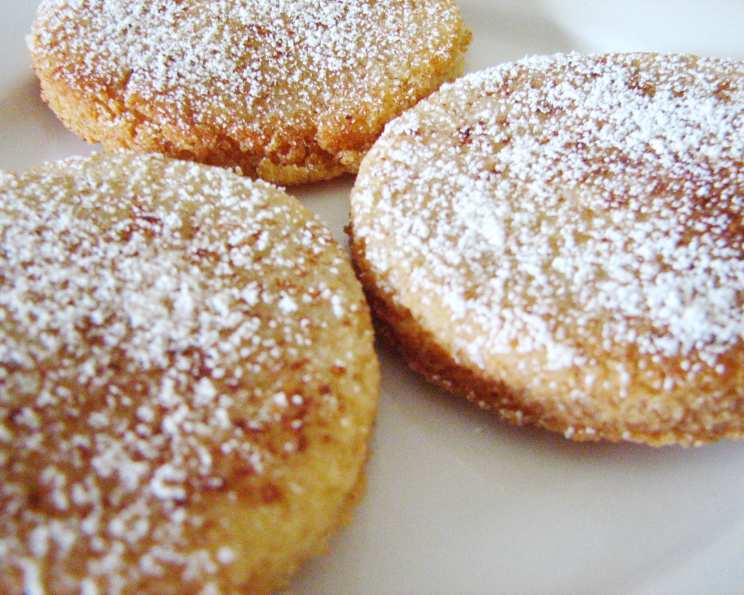
Hajar’s Harcha: A Taste of the Rif
The scent of warm butter melting into golden semolina flatbreads takes me back to a small, sun-drenched kitchen in the Rif Mountains. My aunt Hajar, her hands dusted with flour, would stand over a simple skillet, turning these rustic harcha with practiced ease. The air was thick with the promise of a comforting, simple pleasure – a taste of home, offered with a generous smile and a pot of steaming mint tea. These weren’t just flatbreads; they were edible expressions of warmth and hospitality.
Recipe Overview
- Prep Time: 15 minutes
- Cook Time: 30 minutes
- Total Time: 45 minutes
- Servings: 6
- Dietary Type: Vegetarian
Ingredients
- 1 cup fine semolina, plus 2 tablespoons fine semolina
- 1/3 cup regular semolina (coarse)
- 1/4 teaspoon salt
- 2 tablespoons sugar
- 4 tablespoons butter, softened, plus extra for frying
- Approximately 1/4 cup water
Equipment Needed
- Mixing bowl
- Rolling pin
- Cookie cutter or knife
- Large skillet (preferably non-stick)
Instructions
-
In a mixing bowl, combine the fine semolina, coarse semolina, salt, and sugar.
-
Using your fingertips, work the softened butter into the semolina mixture until it resembles coarse crumbs. This step is crucial for achieving the right texture. The butter needs to be evenly distributed throughout the semolina.
-
Gradually add approximately 1/4 cup of water to the mixture, kneading until it forms a firm dough. Be careful not to add too much water at once; you want a dough that holds its shape without being sticky.
-
Knead the dough just until it comes together into a cohesive ball. Avoid over-kneading, as this can make the harcha tough.
-
Note: If you have difficulty finding the proper semolina, you can substitute with cornmeal. However, you may need to add a bit more liquid to achieve the desired dough consistency.
-
On a lightly floured surface (using fine semolina), roll out the dough to about 1/2-inch thickness.
-
Use a cookie cutter or a knife to cut the dough into rounds. The size is up to you; you can make smaller, individual servings (around 2 inches in diameter) or larger galettes (3-3.5 inches).
-
Gather the dough trimmings, re-roll them, and continue cutting out rounds until all the dough has been used.
-
Brush a large (non-stick) skillet with softened butter and place it over medium heat.
-
Once the pan is hot, carefully add as many rounds as will fit comfortably, leaving a bit of space between them.
-
Cook for 1 to 3 minutes on each side, or until the harcha are firm and very lightly browned. The goal is not to achieve a deep color, but rather to set the dough and give it a gentle golden hue. Adjust the heat as needed to prevent burning.
-
Remove the cooked harcha from the skillet and set aside.
-
Serve hot, warm, or at room temperature, preferably on the same day they are made.
-
Serve with butter and your choice of toppings, such as honey, sugar, powdered sugar, or cinnamon. The combination of butter and another sweet element is essential to the harcha experience.
Expert Tips & Tricks
- The Semolina is Key: Using the right type of semolina is paramount for authentic harcha. Fine semolina provides the delicate crumb, while the coarse semolina adds texture.
- Butter Temperature Matters: Ensure the butter is softened, not melted, before incorporating it into the semolina. Softened butter blends more evenly, resulting in a tender crumb.
- Don’t Overcrowd the Pan: Cooking the harcha in batches ensures they cook evenly and develop a nice golden crust. Overcrowding the pan can lower the temperature and steam the harcha instead of browning them.
- Adjust Heat as Needed: Keep a close eye on the heat while cooking. If the harcha are browning too quickly, reduce the heat to medium-low.
- Press Gently: If the harcha puff up too much while cooking, gently press down on them with a spatula to ensure even cooking and browning.
Serving & Storage Suggestions
- Serve harcha warm with a generous pat of butter and a drizzle of honey, a sprinkle of sugar, or a dusting of cinnamon.
- They are best enjoyed on the day they are made, as they tend to dry out quickly.
- To store leftovers, wrap them tightly in plastic wrap or place them in an airtight container.
- They can be stored at room temperature for up to 24 hours or in the refrigerator for up to 3 days.
- To reheat, warm them in a skillet over low heat or in a microwave for a few seconds until heated through.
Nutritional Information
| Nutrient | Amount per Serving | % Daily Value |
|---|---|---|
| Calories | 230 kcal | – |
| Total Fat | 8g | 12% |
| Saturated Fat | 5g | 24% |
| Cholesterol | 20mg | 6% |
| Sodium | 152mg | 6% |
| Total Carbohydrate | 34g | 11% |
| Dietary Fiber | 2g | 6% |
| Sugars | 4g | – |
| Protein | 5g | 10% |
Note: Nutritional information is an estimate and may vary based on specific ingredients and portion sizes.
Variations & Substitutions
- Spiced Harcha: Add a pinch of ground cinnamon, cardamom, or ginger to the semolina mixture for a warm, aromatic twist.
- Savory Harcha: Omit the sugar and add a pinch of cumin or paprika for a savory version. You can also incorporate chopped olives or herbs into the dough.
- Gluten-Free Harcha: While traditionally made with semolina, you can experiment with gluten-free flour blends, but be prepared to adjust the liquid accordingly.
- Citrus Zest: Add the zest of an orange or lemon to the dough for a bright, fresh flavor.
- Nutty Harcha: Incorporate finely ground almonds or walnuts into the semolina mixture for added flavor and texture.
FAQs (Frequently Asked Questions)
Q: Can I make the dough ahead of time?
A: While harcha is best made fresh, you can prepare the dough a few hours in advance and store it in the refrigerator, tightly wrapped in plastic wrap. Let it come to room temperature before rolling it out.
Q: My harcha are too dry. What did I do wrong?
A: You may have added too much semolina or not enough water. Next time, add the water gradually and stop when the dough just comes together.
Q: Can I bake the harcha instead of cooking them in a skillet?
A: While traditionally cooked in a skillet, you can bake them in a preheated oven at 350°F (175°C) for about 15-20 minutes, or until golden brown. However, the texture will be slightly different.
Q: How can I prevent the harcha from sticking to the skillet?
A: Make sure to use a non-stick skillet and brush it generously with softened butter before cooking the harcha.
Q: What other toppings can I serve with harcha besides butter and honey?
A: You can also serve them with jam, cheese, Nutella, or any other spread you enjoy. In Morocco, it is also commonly paired with Amlou, a dip made from almonds, argan oil, and honey.
Final Thoughts
Hajar’s harcha is more than just a recipe; it’s a connection to a place, a culture, and a shared experience. The simplicity of the ingredients and the straightforward technique belie the depth of flavor and the comfort this humble flatbread provides. I encourage you to try this recipe and experience the warmth and hospitality of the Rif. Feel free to experiment with variations and toppings to create your own unique version. And if you do, please share your feedback; I’d love to hear about your culinary adventure! Serve it with a glass of traditional mint tea to complete the experience.