
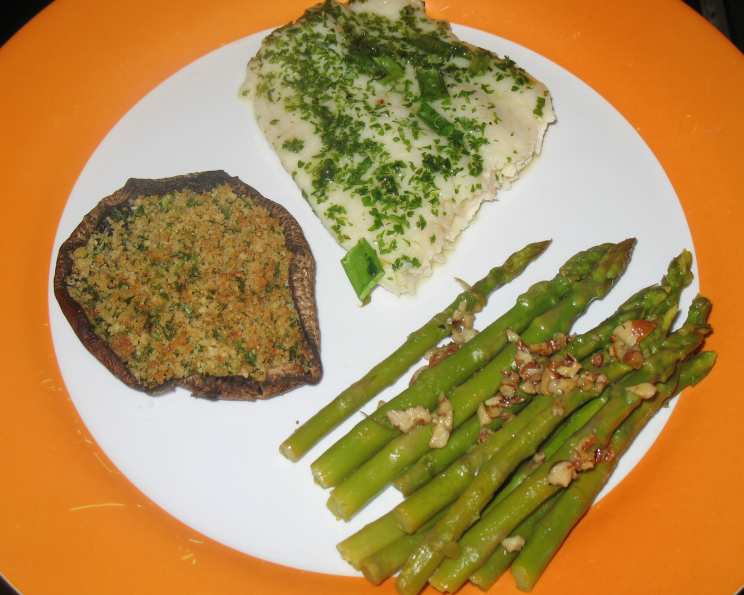
Hake in White Wine (Merluza a La Vasca): A Taste of the Basque Country
The salty tang of the sea, the gentle sizzle of garlic in olive oil, and the anticipation of flaky, tender fish – these are the sensations that flood my memory whenever I think of Merluza a La Vasca. It takes me back to a tiny seaside taverna in San Sebastián, where I first tasted this deceptively simple dish. The air, thick with the scent of woodsmoke and grilling seafood, amplified the experience, and I knew instantly I needed to learn how to recreate the magic of this Basque classic. It’s a dish that proves that sometimes, the most extraordinary flavors come from the humblest of ingredients, treated with respect and care.
Recipe Overview
- Prep Time: 10 minutes
- Cook Time: 8 minutes
- Total Time: 18 minutes
- Servings: 4
- Yield: 4 fillets
- Dietary Type: Pescatarian
Ingredients
- 2 tablespoons all-purpose flour
- 4 hake fillets (about 5 oz each)
- 4 tablespoons extra virgin olive oil
- 1/2 cup dry white wine (white Rioja suggested)
- 2 large garlic cloves, finely chopped
- 6 scallions, finely sliced
- 2 tablespoons fresh parsley, finely chopped
- Salt
- Pepper
Equipment Needed
- Shallow flameproof casserole dish (oven-safe skillet)
- Small bowl for flour
- Measuring cups and spoons
- Cutting board
- Knife
Instructions
- Preheat your oven to 450 degrees Fahrenheit (232 degrees Celsius). Make sure your oven is fully heated before you proceed to the next steps.
- In a small bowl, season the flour generously with salt and pepper. Remember that the amount of seasoned flour needed depends on the size of your hake fillets, so you may need to add more as you dredge.
- Dredge the skin side of each hake fillet in the seasoned flour. Shake off any excess flour to ensure a light, even coating. This will help the skin get beautifully golden and crispy.
- Place your shallow flameproof casserole dish over high heat. Let it heat up until you can feel the rising heat when you hold your hand a few inches above the dish. This is crucial for achieving a good sear on the fish.
- Add the olive oil to the hot casserole dish and heat until it shimmers, about 30 seconds. Don’t let it smoke!
- Carefully add the hake fillets, skin side down, to the hot oil. Cook for about 3 minutes, or until the skin is golden brown and crispy. Resist the urge to move the fillets while they’re searing to ensure they develop a good crust.
- Turn the fish fillets over gently. Season the flesh side with salt and pepper to taste.
- Pour in the white wine. Add the finely chopped garlic, sliced scallions, and chopped fresh parsley to the casserole dish.
- Transfer the casserole dish to the preheated oven and bake, uncovered, for 5 minutes, or until the fish flakes easily with a fork. The exact baking time will depend on the thickness of your fillets, so check for doneness frequently. If the fillets are very thick, you might need another minute or two.
Expert Tips & Tricks
- Choosing your hake: Look for hake fillets that are firm, moist, and have a fresh, clean smell. Avoid any fillets that appear discolored or have a strong fishy odor.
- Crispy skin is key: The key to achieving truly crispy skin is to ensure the pan and oil are hot enough before adding the fish and avoid overcrowding the pan. Patting the skin dry with paper towels before dredging can also help.
- Wine selection: While a dry white Rioja is traditional, any crisp, dry white wine will work well in this recipe. Consider a Sauvignon Blanc, Albariño, or Pinot Grigio. Avoid overly oaky wines, as they can overpower the delicate flavor of the hake.
- Don’t overcook the fish: Hake is delicate and can become dry and rubbery if overcooked. It’s better to err on the side of undercooking it slightly, as it will continue to cook from residual heat once it’s removed from the oven.
- Boosting the sauce: For a richer, more complex sauce, add a knob of butter to the pan just before transferring it to the oven. A squeeze of lemon juice at the end can also brighten the flavors.
Serving & Storage Suggestions
Serve the Hake in White Wine (Merluza a La Vasca) immediately after removing it from the oven, garnished with a sprinkle of fresh parsley. The sauce is delicious spooned over the fish and served with a side of crusty bread for soaking up all the flavorful juices. Roasted potatoes, steamed asparagus, or a simple green salad are excellent accompaniments.
Leftovers can be stored in an airtight container in the refrigerator for up to 2 days. Reheat gently in a skillet over low heat or in a microwave, being careful not to overcook the fish. The sauce may thicken slightly upon reheating, so you may want to add a splash of white wine or fish stock to loosen it up. Freezing is not recommended, as the texture of the fish can become mushy.
Nutritional Information
| Nutrient | Amount per Serving | % Daily Value |
|---|---|---|
| Calories | 357.1 kcal | N/A |
| Calories from Fat | 136 g | 38% |
| Total Fat | 15.2 g | 23% |
| Saturated Fat | 2.2 g | 10% |
| Cholesterol | 99.3 mg | 33% |
| Sodium | 131.5 mg | 5% |
| Total Carbohydrate | 6 g | 1% |
| Dietary Fiber | 0.8 g | 3% |
| Sugars | 0.8 g | 3% |
| Protein | 42.1 g | 84% |
Note: Nutritional information is an estimate and may vary based on specific ingredients and portion sizes.
Variations & Substitutions
- Other Fish: If you can’t find hake, cod, haddock, or flounder make excellent substitutes. Adjust the cooking time based on the thickness of the fillets.
- Seafood Medley: Add clams or shrimp to the casserole dish along with the wine for a heartier dish. Mussels would also be a delicious addition.
- Vegetable Boost: Toss in asparagus tips, green beans, or peas during the last few minutes of cooking for a vibrant and nutritious twist.
- Gluten-Free: Use a gluten-free flour blend for dredging the fish. Cornstarch or rice flour would also work well.
- Herb Variations: Experiment with different herbs, such as thyme, oregano, or chives, in addition to or in place of the parsley.
FAQs (Frequently Asked Questions)
Q: Can I make this dish ahead of time?
A: While the dish is best served immediately, you can prep the ingredients ahead of time by chopping the garlic, scallions, and parsley and dredging the fish in flour. Store these separately in the refrigerator until ready to cook.
Q: What if I don’t have a flameproof casserole dish?
A: If you don’t have a flameproof casserole dish, you can sear the fish in a skillet and then transfer it to a baking dish for the oven.
Q: Can I use salted butter instead of olive oil?
A: Yes, you can use salted butter, but keep in mind that it will add a richer flavor to the dish. You may want to reduce the amount of salt you add to the flour.
Q: How do I know when the fish is done?
A: The fish is done when it flakes easily with a fork and is opaque throughout. The internal temperature should reach 145 degrees Fahrenheit (63 degrees Celsius).
Q: Can I use vegetable broth instead of white wine?
A: While white wine adds a distinct flavor to the dish, you can substitute it with vegetable broth in a pinch. However, the flavor will be slightly different. Consider adding a squeeze of lemon juice to brighten the broth.
Final Thoughts
Hake in White Wine is a testament to the beauty of simple cooking. With just a handful of fresh ingredients and a few straightforward steps, you can create a dish that is both elegant and satisfying. I encourage you to try this recipe and experience the flavors of the Basque Country in your own kitchen. Don’t be afraid to experiment with variations and substitutions to make it your own. And most importantly, enjoy the process and share your culinary creation with loved ones! This dish is a great companion to a crisp Spanish white wine, or even a light-bodied rosé. ¡Buen provecho!