
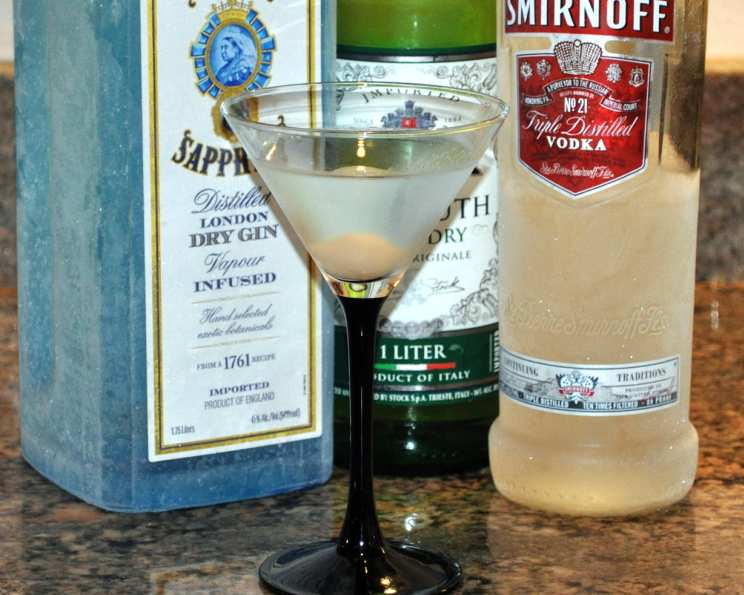
Hamlet’s Martini: To Be or Not To Be…Thirsty?
There are certain cocktails that transcend mere refreshment and become cultural touchstones. The Martini, in all its elegant simplicity, is undoubtedly one of them. I remember a particularly sweltering summer evening in New York City, perched on a rooftop bar overlooking the glittering skyline. As I took the first sip of a perfectly chilled Martini, the world seemed to slow down. The city noise faded, replaced by the crisp, clean taste of juniper and the faint whisper of vermouth. It was more than just a drink; it was an experience, a moment of pure, unadulterated sophistication. That’s what a truly great Martini can do.
Recipe Overview
- Prep Time: 2 minutes
- Cook Time: 0 minutes
- Total Time: 2 minutes
- Servings: 1
- Yield: 1 Martini
- Dietary Type: Gluten-Free
Ingredients
- 1 ounce vodka, iced
- 1 ounce gin, iced
- 1 splash dry vermouth
- 1 cocktail onion (garnish)
Equipment Needed
- Martini glass
- Cocktail shaker or mixing glass
- Jigger or measuring spoons
- Cocktail strainer
- Cocktail pick or skewer
Instructions
- First, ensure your vodka and gin are thoroughly iced. The colder the spirits, the better the martini. You can chill them in the freezer for at least 30 minutes before preparing your drink.
- In a cocktail shaker or mixing glass filled with ice, combine 1 ounce of iced vodka and 1 ounce of iced gin.
- Add a splash of dry vermouth. A “splash” is typically considered around ¼ ounce, but adjust to your preference. Some prefer a drier martini with even less vermouth.
- Stir the mixture well for about 20-30 seconds. This chills the ingredients and properly dilutes the drink without bruising the gin. Avoid shaking, as it can make the martini cloudy.
- Strain the mixture into a chilled martini glass.
- Garnish with a cocktail onion on a cocktail pick or skewer. This seemingly simple garnish transforms the drink into a Gibson martini.
Expert Tips & Tricks
- Chill your glass: A chilled martini glass keeps your drink colder for longer. Place it in the freezer for a few minutes or fill it with ice water while you prepare the cocktail.
- Quality ingredients matter: Use high-quality vodka and gin for the best flavor. The nuances of the spirits will really shine through in a simple martini.
- The vermouth question: Fresh vermouth is key. Vermouth is a fortified wine, and it can oxidize quickly once opened. Store it in the refrigerator after opening and use it within a few weeks.
- Adjust to taste: The beauty of a martini is its adaptability. Experiment with the ratios of vodka, gin, and vermouth to find your perfect balance. Some prefer more gin for a bolder flavor, while others prefer more vodka for a smoother drink.
- The stir vs. shake debate: James Bond famously preferred his martinis “shaken, not stirred.” However, stirring is generally recommended to avoid excessive dilution and cloudiness. If you prefer a shaken martini, shake vigorously for a shorter period.
Serving & Storage Suggestions
Serve Hamlet’s Martini immediately after preparation. The ideal serving temperature is ice-cold.
Martinis are best consumed immediately. As they sit, the ice melts and dilutes the drink, compromising the flavor and texture. Do not attempt to store martinis for later consumption. Preparation is key.
Nutritional Information
| Nutrient | Amount per Serving | % Daily Value |
|---|---|---|
| Calories | 160 kcal | 8% |
| Total Fat | 0g | 0% |
| Saturated Fat | 0g | 0% |
| Cholesterol | 0mg | 0% |
| Sodium | 2mg | 0% |
| Total Carbohydrate | 3g | 1% |
| Dietary Fiber | 0g | 0% |
| Sugars | 1g | 2% |
| Protein | 0g | 0% |
Note: Nutritional information is an estimate and may vary based on specific ingredients and preparation methods.
Variations & Substitutions
- Gibson Martini: This is the standard Hamlet’s Martini, defined by the cocktail onion garnish.
- Vodka Martini (Vodkatini): Substitute all the gin with vodka for a smoother, less juniper-forward flavor.
- Gin Martini: Stick to the classic by using only gin and vermouth.
- Dirty Martini: Add a splash of olive brine for a salty, savory twist. Garnish with olives instead of a cocktail onion.
- Perfect Martini: Use equal parts sweet and dry vermouth.
- 50/50 Martini: Equal parts gin and dry vermouth.
- Wet Martini: More vermouth than the standard splash, typically ¼ to ½ ounce.
- Dry Martini: Less vermouth than the standard splash, or even a rinse of vermouth in the glass before pouring in the gin or vodka.
- Flavored Vodka Martini: Use flavored vodka (e.g., citrus, raspberry) for a unique twist.
- Espresso Martini: While straying further from the classic, you can also add freshly brewed espresso to a vodka martini for an caffeinated kick.
FAQs (Frequently Asked Questions)
Q: What makes this martini a “Hamlet’s Martini”?
A: The recipe itself is a classic martini using both gin and vodka, but the use of a cocktail onion as the garnish defines it as a Gibson, which is what the Hamlet Martini is.
Q: Can I use a different type of vermouth?
A: While dry vermouth is traditional, you can experiment with sweet vermouth for a sweeter, more complex flavor. This would technically make it a different drink altogether but it does add a different dimension to the cocktail.
Q: Why stir instead of shake?
A: Stirring chills the drink without diluting it as much as shaking, and it also prevents the formation of ice shards, resulting in a smoother texture.
Q: How long can I keep vodka and gin in the freezer?
A: Vodka and gin can be stored indefinitely in the freezer, as their high alcohol content prevents them from freezing solid.
Q: Can I make a large batch of martini ahead of time?
A: It’s best to make martinis fresh for optimal flavor and texture. However, you can pre-chill the spirits and glasses to speed up the process when you’re ready to serve.
Final Thoughts
Hamlet’s Martini, with its blend of vodka and gin and its distinctive cocktail onion, offers a unique twist on a classic cocktail. Don’t be afraid to experiment with variations to find your perfect Martini. Whether you prefer a dry, wet, dirty, or perfect Martini, the most important thing is to enjoy the process and savor the moment. So, raise a glass, take a sip, and ponder the timeless question: to be or not to be…having another?