
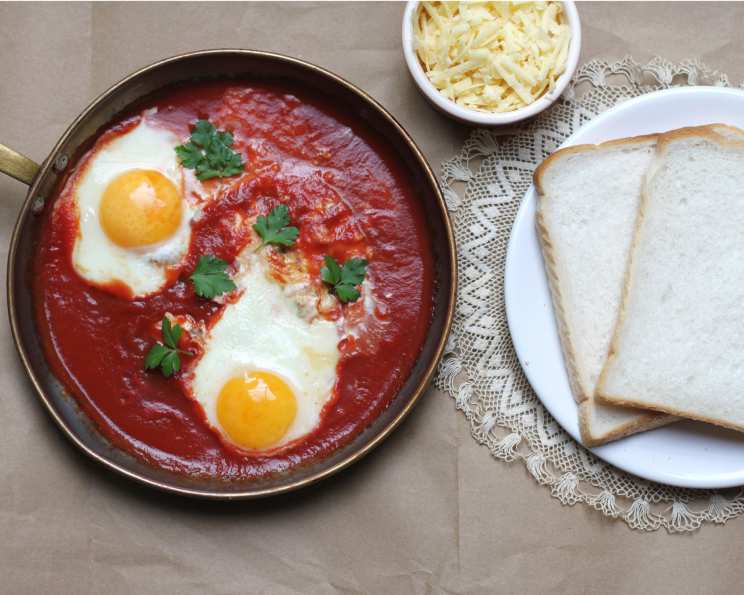
Hangover Poached Eggs: A Culinary Cure
The memory is seared into my mind: a blurry Sunday morning, a throbbing headache, and the desperate craving for something, anything, that could cut through the fog. My grandmother, bless her soul, appeared with a steaming plate. Two perfectly poached eggs, glistening in a vibrant red sauce, nestled on crispy toast. One bite, and the world seemed a little brighter, a little less…loud. It wasn’t just the food; it was the love and care woven into every simmered spoonful. This isn’t just breakfast; it’s a culinary hug, passed down through generations of Sunday-morning warriors.
Recipe Overview
- Prep Time: 5 minutes
- Cook Time: 5 minutes
- Total Time: 10 minutes
- Servings: 1
- Dietary Type: Comfort Food
Ingredients
- 2 eggs
- 1/3 cup catsup
- 1/3 cup water
- 1 tablespoon vinegar
- 1 tablespoon butter
- 1/3 cup cheddar cheese, shredded
- 2 slices toast
Equipment Needed
- Frying Pan with Lid
- Slotted Spatula
Instructions
- Begin by preparing the sauce. In a frying pan with a tight-fitting lid, combine the catsup, vinegar, and water.
- Heat the mixture over a medium flame until it starts to bubble gently. Watch carefully to prevent it from splattering.
- Add the butter to the pan and stir until it is completely melted and incorporated into the sauce. This adds richness and a velvety texture.
- Now comes the delicate part: adding the eggs. Carefully crack each egg into the simmering sauce, spacing them apart as much as possible.
- Immediately cover the frying pan with the lid. This traps the steam and allows the eggs to cook evenly.
- Simmer the eggs, covered, for exactly 3 minutes. This will result in perfectly poached eggs with runny yolks. If you prefer a more firm yolk, cook for an additional minute or two.
- After 3 minutes, remove the pan from the heat. Using a slotted spatula, carefully lift the poached eggs from the sauce.
- Place the poached eggs on top of the prepared toast.
- Spoon the catsup sauce generously over the eggs and toast.
- Finally, sprinkle the shredded cheddar cheese over the saucy eggs. Serve immediately and enjoy the comforting warmth.
Expert Tips & Tricks
- Vinegar is Key: Don’t skip the vinegar! It adds a crucial tang that balances the sweetness of the catsup and prevents the dish from becoming cloying. You can use white vinegar, apple cider vinegar, or even a splash of lemon juice.
- Gentle Simmer: The key to perfectly poached eggs is a gentle simmer, not a rolling boil. A vigorous boil will cause the eggs to break apart and become rubbery.
- Fresh Eggs Matter: Use the freshest eggs possible for the best results. Older eggs tend to spread more in the pan.
- Prevent Sticking: To prevent the eggs from sticking to the pan, make sure the pan is well-seasoned or use a non-stick frying pan.
- Adjust the Sauce: If the sauce is too thick, add a tablespoon or two of water to thin it out. If it’s too thin, simmer it for a few extra minutes to reduce it.
- Cheese Variations: Feel free to experiment with different cheeses. Monterey Jack, pepper jack, or even a sprinkle of Parmesan would be delicious.
- Spice It Up: For an extra kick, add a dash of hot sauce or a pinch of red pepper flakes to the sauce.
Serving & Storage Suggestions
Serve these Hangover Poached Eggs immediately while the eggs are still warm and the sauce is glistening. Garnish with a sprinkle of fresh parsley or chives for a pop of color. A side of crispy bacon or sausage complements the dish perfectly.
Leftovers are best consumed immediately, as the poached eggs tend to become rubbery upon refrigeration. However, if you must store them, place the eggs and sauce in an airtight container in the refrigerator for up to 24 hours. Reheat gently in a saucepan over low heat or in the microwave, being careful not to overcook the eggs. The toast will likely become soggy, so it’s best to make fresh toast when reheating.
Nutritional Information
(Estimated per serving)
| Nutrient | Amount per Serving | % Daily Value |
|---|---|---|
| Calories | 450 kcal | 23% |
| Total Fat | 25g | 38% |
| Saturated Fat | 15g | 75% |
| Cholesterol | 400mg | 133% |
| Sodium | 1200mg | 50% |
| Total Carbohydrate | 30g | 10% |
| Dietary Fiber | 2g | 8% |
| Sugars | 15g | N/A |
| Protein | 20g | 40% |
Variations & Substitutions
- Spicy Version: Add a pinch of cayenne pepper or a dash of your favorite hot sauce to the catsup mixture for a fiery kick.
- Herbaceous Twist: Stir in a teaspoon of dried herbs like oregano, basil, or thyme into the sauce for added flavor.
- Garlic Lovers: Mince a clove of garlic and sauté it in the butter before adding the catsup for a savory depth.
- Vegetarian Option: While this recipe is already vegetarian, you can enhance it with sautéed mushrooms, spinach, or bell peppers added to the sauce.
- Keto-Friendly: Replace the toast with a bed of sauteed spinach or cauliflower rice to reduce carbohydrates. Use a sugar-free catsup substitute.
- Dairy-Free: Omit the cheddar cheese or substitute with a dairy-free cheese alternative. Use olive oil instead of butter.
FAQs (Frequently Asked Questions)
Q: Can I use pre-made toast instead of toasting it myself?
A: Absolutely! Using pre-made toast is a convenient option, especially when you’re feeling under the weather. Just make sure it’s toasted to your liking.
Q: What if I don’t have a lid for my frying pan?
A: You can use a baking sheet or a large plate to cover the frying pan instead of a lid. It might not trap as much steam, but it will still help cook the eggs evenly.
Q: Can I make this recipe ahead of time?
A: It’s best to make this recipe fresh, as the eggs are most delicious when they’re warm and runny. However, you can prepare the catsup sauce ahead of time and store it in the refrigerator until you’re ready to cook the eggs.
Q: How do I know when the eggs are cooked perfectly?
A: The whites should be completely set, but the yolks should still be runny. Gently poke the yolk with a spoon to check its consistency.
Q: Can I use a different type of vinegar?
A: Yes, you can experiment with different types of vinegar, such as apple cider vinegar or balsamic vinegar, for a slightly different flavor profile. White vinegar is the most neutral option.
Final Thoughts
So, there you have it: my grandmother’s secret weapon against the dreaded hangover, transformed into a recipe that you can recreate in your own kitchen. This dish isn’t just about satisfying hunger; it’s about embracing comfort, nostalgia, and the simple pleasure of a perfectly poached egg. Give it a try, tweak it to your liking, and share it with someone who needs a little culinary TLC. And, please, remember to share your thoughts and feedback – I’m eager to hear how you make this recipe your own! Cheers to brighter mornings and delicious cures!