
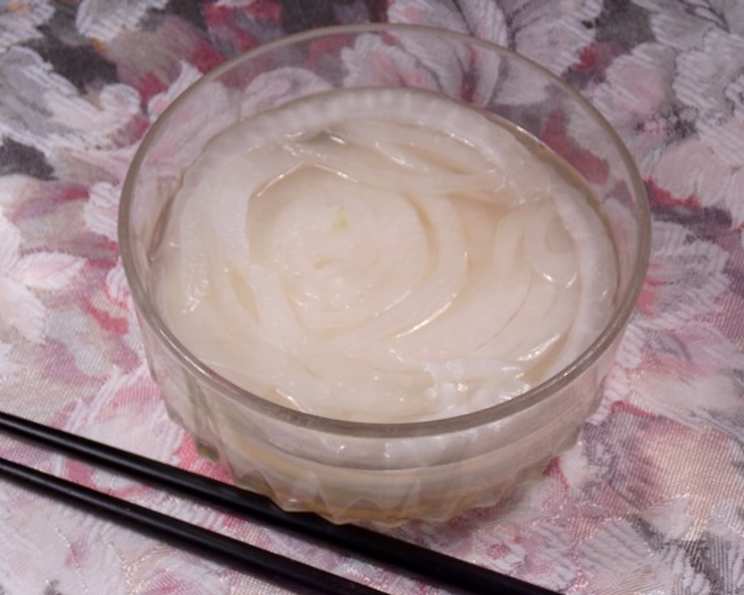
Hanh Dam: A Taste of Vietnamese Tradition
The scent of vinegar always takes me back to my grandmother’s kitchen. She would be standing over a large ceramic bowl, carefully slicing onions paper-thin, her hands moving with practiced ease. This was the beginning of Hanh Dam, those little jewels of pickled onion that added a burst of sweet and sour brightness to every meal. The sharp aroma would fill the house, a promise of deliciousness to come, and I knew that soon, we would be feasting on dishes elevated by this humble yet indispensable condiment.
Recipe Overview
- Prep Time: 10 minutes
- Cook Time: 5 minutes (dissolving sugar)
- Total Time: 15 minutes (plus marinating time)
- Servings: Variable, approximately 1/2 cup
- Yield: Approximately 1/2 cup
- Dietary Type: Vegan, Gluten-Free
Ingredients
- 1 white onion
- 1 teaspoon sugar
- ½ cup rice vinegar
Equipment Needed
- Sharp knife or mandoline
- Glass or ceramic bowl
- Airtight container or jar for storage
Instructions
- Begin by peeling the white onion.
- Cut the peeled onion in half.
- Using a sharp knife or mandoline, slice the onion very thinly. The thinner the slices, the quicker they will pickle and the more delicate the texture will be.
- Place the thinly sliced onions into a glass or ceramic bowl. Avoid using metal bowls, as the vinegar can react with the metal and affect the flavor of the pickled onions.
- In a separate small saucepan or microwave-safe bowl, combine the rice vinegar and sugar.
- Heat the vinegar and sugar mixture gently until the sugar is completely dissolved. You can do this over low heat on the stovetop for approximately 5 minutes, stirring constantly, or in the microwave in 30-second intervals. Be careful not to boil the vinegar.
- Pour the dissolved sugar and vinegar mixture over the sliced onions in the bowl. Ensure you have enough vinegar mixture to cover the onions completely. If necessary, make a little extra using the same ratio of vinegar to sugar.
- Toss the onions gently to ensure they are all coated evenly with the vinegar mixture. This will help them to pickle uniformly.
- Let the onions marinate for at least fifteen minutes at room temperature, tossing them occasionally to make sure all the onion slices absorb the vinegar. The longer they marinate, the more pronounced the pickled flavor will become. For a milder flavor, you can use them after 15 minutes. For a stronger, more intense flavor, let them marinate for an hour or even longer.
- Store any leftovers in a covered jar or airtight container in the refrigerator.
Expert Tips & Tricks
- For a sweeter pickle, increase the amount of sugar slightly. Conversely, for a tangier pickle, reduce the sugar or add a splash of extra rice vinegar.
- Using a mandoline ensures perfectly even slices, which results in a more consistent texture and pickling process. Be extremely careful when using a mandoline, and always use the safety guard.
- If you’re short on time, you can gently massage the onions with the vinegar mixture. This helps to break down the cell structure of the onion and speeds up the pickling process.
- For a milder onion flavor, you can soak the sliced onions in cold water for about 30 minutes before pickling. This helps to remove some of the harshness.
- Experiment with different types of vinegar. While rice vinegar is traditional, white vinegar or apple cider vinegar can also be used, but they will impart a slightly different flavor profile.
- Don’t discard the pickling liquid! It can be used as a flavorful addition to salad dressings or marinades.
- For a spicier kick, add a pinch of red pepper flakes to the vinegar mixture before pouring it over the onions.
- If the onions are very strong, blanching them in boiling water for 30 seconds before pickling can help mellow their flavor. Immediately transfer them to an ice bath to stop the cooking process.
- Consider adding other aromatics, such as a few slices of ginger or a crushed garlic clove, to the pickling mixture for added complexity.
Serving & Storage Suggestions
- Hanh Dam is best served as a condiment alongside Vietnamese dishes such as Pho, Banh Mi, spring rolls, or grilled meats.
- It can also be added to salads, sandwiches, or even used as a topping for tacos.
- Store leftover pickled onions in a sealed container in the refrigerator. They will keep for up to a week, but their flavor will become more intense over time.
- While refrigeration is recommended, these can be kept at room temperature for a few hours during serving, especially if the room is cool.
- Freezing is not recommended as it will alter the texture of the onions.
Nutritional Information
| Nutrient | Amount per Serving | % Daily Value |
|---|---|---|
| Calories | 15 kcal | 1% |
| Total Fat | 0g | 0% |
| Saturated Fat | 0g | 0% |
| Cholesterol | 0mg | 0% |
| Sodium | 1mg | 0% |
| Total Carbohydrate | 4g | 1% |
| Dietary Fiber | 0g | 0% |
| Sugars | 3g | – |
| Protein | 0g | 0% |
Note: Nutritional information is an estimate and may vary based on specific ingredients and preparation methods.
Variations & Substitutions
- Sweetness Adjustment: Use honey or maple syrup instead of sugar for a different flavor profile.
- Spicy Version: Add a sliced chili pepper (like a bird’s eye chili) to the pickling mixture for a spicy kick.
- Herbal Infusion: Add fresh herbs like dill or cilantro to the jar during pickling for an aromatic twist.
- Different Onions: While white onions are traditional, you can experiment with red onions or shallots for a slightly different flavor and color.
- Citrus Zest: Add lemon or lime zest to the pickling mixture for a brighter, more vibrant flavor.
- Vinegar Variety: Experiment with apple cider vinegar or white wine vinegar in place of rice vinegar. Each will impart a unique flavor.
FAQs (Frequently Asked Questions)
Q: Can I use red onions instead of white onions?
A: Yes, you can definitely use red onions! They will give the Hanh Dam a beautiful pink color and a slightly sharper flavor.
Q: How long do these pickled onions last?
A: They will last in the refrigerator for up to a week, but the flavor will intensify over time.
Q: Can I make these without sugar?
A: While sugar is traditionally used, you can reduce the amount or use a sugar substitute like stevia or monk fruit. Keep in mind that this will change the flavor profile.
Q: Why are my pickled onions still so strong?
A: Soaking the sliced onions in cold water before pickling can help mellow their flavor. Also, give them more time to marinate in the vinegar mixture; the flavor will mellow as they pickle.
Q: Can I add other vegetables to the pickling mixture?
A: Absolutely! Thinly sliced carrots, cucumbers, or radishes can be added for a mixed pickled vegetable condiment.
Final Thoughts
Hanh Dam is more than just a side dish; it’s a burst of flavor that can elevate any meal. This recipe is simple, straightforward, and easily customizable to suit your preferences. So, gather your ingredients, sharpen your knife, and embark on a culinary adventure that will transport you to the vibrant streets of Vietnam. I encourage you to try this recipe and share your creations with friends and family. Don’t be afraid to experiment with different variations and find the perfect Hanh Dam that suits your taste. Pair it with your favorite Vietnamese dishes, grilled meats, or even salads, and experience the delightful contrast of sweet, sour, and tangy flavors. And please, let me know what you think! I’d love to hear about your experiences and any creative twists you add to this classic recipe.