
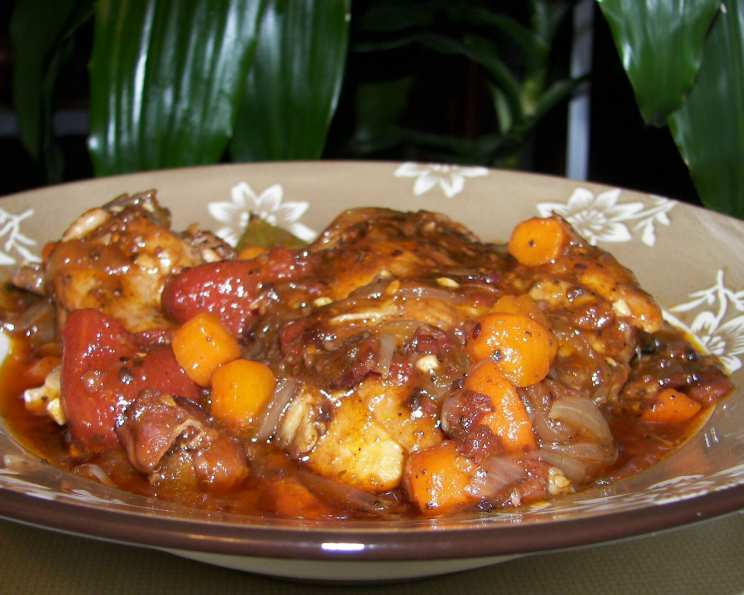
Hare Ragout Les Fougeres: A Taste of the Quebec Countryside
The scent of juniper and thyme always transports me back to a small, tucked-away bistro I discovered years ago during a crisp autumn trip through Quebec. Leaves crunched underfoot as I wandered, and the air was thick with woodsmoke and the promise of hearty fare. That bistro, Les Fougeres, became a haven, and their Hare Ragout was a revelation. Each bite was a deep, earthy comfort – a perfect embodiment of the surrounding landscape. It’s a dish I’ve cherished recreating ever since, adapting it slightly over the years to recapture that magic.
Recipe Overview
- Prep Time: 20 minutes
- Cook Time: 1 hour
- Total Time: 1 hour 20 minutes
- Servings: 6
- Yield: Approximately 8 cups
- Dietary Type: Varies based on hare origin (wild hare is lean, farmed may be higher in fat)
Ingredients
- 1 hare, jointed
- ½ cup olive oil
- 2 tablespoons butter
- 6 ounces lardon bacon
- 1 large onion, diced
- 1 large carrot, diced
- 6 whole garlic cloves, peeled
- 2 tablespoons tomato paste
- 4 tomatoes, chopped
- 2 tablespoons red currant jelly
- ¼ cup balsamic vinegar
- 325 ml white wine (approximately ½ bottle)
- 2 tablespoons crushed juniper berries
- 2 sprigs fresh thyme
- 3 bay leaves
- Salt and pepper to taste
Equipment Needed
- Heavy-bottomed, oven-proof casserole dish with a lid
- Cutting board
- Sharp knife
- Measuring cups and spoons
Instructions
-
Preheat your oven to 375°F (190°C).
-
In a heavy-bottomed, oven-proof casserole dish, heat the olive oil and butter over medium-high heat.
-
Add the lardon bacon and cook until the fat renders and the bacon is slightly crispy. This will impart a wonderful smoky flavor to the ragout.
-
Add the jointed hare pieces to the casserole dish. Brown them well on all sides. This searing process is crucial for developing a rich, deep flavor. Season generously with salt and pepper. Don’t overcrowd the pan; brown the hare in batches if necessary to ensure even browning. Remove the hare temporarily and set it aside.
-
Add the diced onion, carrot, and whole garlic cloves to the casserole dish. Continue to cook, stirring occasionally, until the vegetables have started to brown and soften. This usually takes about 5-7 minutes. The browning process, known as Maillard reaction, enhances the depth of flavor in the ragout.
-
Stir in the tomato paste and cook for another minute, allowing it to caramelize slightly. This will further intensify the tomato flavor.
-
Return the browned hare pieces to the casserole dish.
-
Add the chopped tomatoes, red currant jelly, balsamic vinegar, white wine, crushed juniper berries, fresh thyme sprigs, and bay leaves.
-
Bring the mixture to a simmer on the stovetop.
-
Cover the casserole dish with a lid and transfer it to the preheated oven.
-
Cook in the oven at 375°F (190°C) for 1 hour, or until the hare is tender and easily pulls away from the bone. The cooking time may vary slightly depending on the size and age of the hare. Check for tenderness after 45 minutes.
-
Once cooked, remove the casserole dish from the oven and let it rest for about 10 minutes before serving. This allows the flavors to meld together even further.
Expert Tips & Tricks
- Marinate the hare: For an even deeper flavor, marinate the hare overnight in the white wine, balsamic vinegar, juniper berries, thyme, and bay leaves. This will tenderize the meat and infuse it with aromatic flavors.
- Browning is key: Don’t rush the browning process of the hare and vegetables. This step is essential for developing a rich, complex flavor in the ragout.
- Deglaze the pan: After browning the hare and vegetables, deglaze the pan with a splash of the white wine to scrape up any browned bits from the bottom. These bits, known as fond, are packed with flavor.
- Thicken the sauce: If the sauce is too thin after cooking, remove the lid from the casserole dish during the last 15 minutes of cooking time to allow it to reduce and thicken. Alternatively, you can thicken it with a cornstarch slurry (1 tablespoon cornstarch mixed with 2 tablespoons cold water) after removing it from the oven.
- Bone broth boost: Using bone broth instead of water adds a layer of richness and depth that perfectly complements the gamey flavor of the hare.
- Consider adding other root vegetables like parsnips or celery root for an even more complex flavour.
Serving & Storage Suggestions
Serve the Hare Ragout Les Fougeres hot, garnished with fresh thyme sprigs. It pairs beautifully with creamy polenta, mashed potatoes, or crusty bread for soaking up the delicious sauce. A glass of full-bodied red wine, such as a Pinot Noir or Cabernet Franc, will complement the dish perfectly.
Storage: Leftover ragout can be stored in an airtight container in the refrigerator for up to 3 days. For longer storage, freeze the ragout for up to 2 months.
Reheating: Reheat the ragout gently in a saucepan over medium heat, or in the microwave. If frozen, thaw the ragout in the refrigerator overnight before reheating.
Nutritional Information
Note: Nutritional information is an estimate and may vary based on specific ingredients and preparation methods.
| Nutrient | Amount per Serving | % Daily Value |
|---|---|---|
| Calories | 450 kcal | 23% |
| Total Fat | 30g | 46% |
| Saturated Fat | 10g | 50% |
| Cholesterol | 50mg | 17% |
| Sodium | 400mg | 17% |
| Total Carbohydrate | 15g | 5% |
| Dietary Fiber | 3g | 12% |
| Sugars | 10g | – |
| Protein | 30g | 60% |
Variations & Substitutions
- Chicken or Duck Ragout: If hare is unavailable, you can substitute it with chicken or duck. Adjust the cooking time accordingly, as chicken and duck may cook faster than hare.
- Pork Ragout: For a richer flavor, use pork shoulder or wild boar instead of hare.
- Vegetarian Ragout: For a vegetarian option, use a combination of hearty vegetables such as mushrooms, butternut squash, and lentils.
- Spice it up: Add a pinch of red pepper flakes for a touch of heat.
- Wine substitution: If you don’t have white wine, you can substitute it with chicken broth or vegetable broth.
FAQs (Frequently Asked Questions)
Q: Can I make this ragout in a slow cooker?
A: Yes, you can adapt this recipe for a slow cooker. Brown the hare and vegetables as instructed, then transfer them to a slow cooker. Add the remaining ingredients and cook on low for 6-8 hours, or on high for 3-4 hours, until the hare is tender.
Q: Can I use dried thyme instead of fresh thyme?
A: Yes, you can substitute dried thyme for fresh thyme. Use about 1 teaspoon of dried thyme for every 2 sprigs of fresh thyme.
Q: What can I serve with Hare Ragout Les Fougeres?
A: This ragout pairs well with creamy polenta, mashed potatoes, crusty bread, or roasted root vegetables.
Q: How do I know when the hare is cooked through?
A: The hare is cooked through when it is tender and easily pulls away from the bone.
Q: Can I make this ragout ahead of time?
A: Yes, this ragout can be made ahead of time. In fact, it often tastes even better the next day after the flavors have had a chance to meld together. Store it in the refrigerator and reheat before serving.
Final Thoughts
This Hare Ragout Les Fougeres is more than just a recipe; it’s an invitation to savor the rustic charm of the Quebec countryside. It’s about capturing the essence of slow-cooked comfort and sharing it with loved ones. Don’t be intimidated by the less common ingredient of hare – feel free to adapt with chicken or duck. The real magic lies in the layering of flavors and the patience of slow cooking. I hope you’ll give this recipe a try and discover the simple pleasure of creating a truly memorable dish. Bon appétit!