
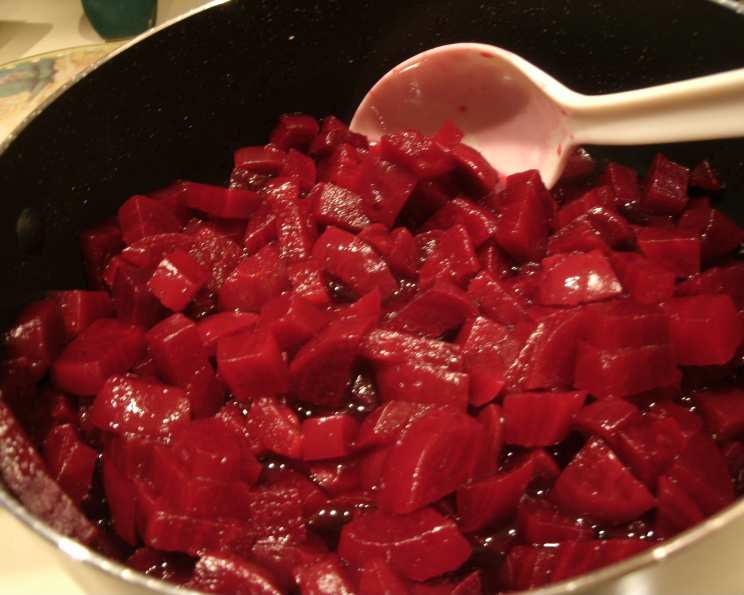
Harvard Beets for the Freezer (or Right Away)
The first time I tasted Harvard beets, I was at a potluck. I remember being drawn to the vibrant, earthy hue of the beets, nestled in a glossy, deep red sauce. One bite, and I was hooked. The sweet-and-sour tang, the tender beets yielding with a gentle bite – it was a revelation. From that day on, no Thanksgiving or holiday gathering felt complete without this unassuming star on the table. Little did I know then that this dish would become a freezer staple, a welcome burst of color and flavor during the long, gray winter months.
Recipe Overview
- Prep Time: 15 minutes
- Cook Time: 5 minutes + 30-60 minutes for initial beet cooking
- Total Time: 45-75 minutes (plus marinating time)
- Servings: 6
- Yield: About 6 cups
- Dietary Type: Vegetarian
Ingredients
- ½ cup sugar
- 1 ½ teaspoons cornstarch
- ¼ cup cider vinegar
- ¼ cup water
- 3 cups beets, cooked and cubed
- 2 tablespoons butter
Equipment Needed
- Large saucepan
- Measuring cups and spoons
- Freezer-safe bags or containers (optional)
Instructions
- First, prepare the beets. If using fresh beets, cover them completely with water in a large pot. Cook for 30 minutes to an hour, or until tender when pierced with a fork. Allow the beets to cool slightly before peeling off the skins (they should slip off easily) and cubing them. If using canned beets, drain them thoroughly.
- In the large saucepan, combine the sugar, cornstarch, cider vinegar, and water.
- Bring the mixture to a boil over medium heat, stirring constantly to prevent scorching.
- Continue to boil for 5 minutes, stirring frequently, until the sauce thickens slightly and becomes translucent.
- Add the cooked and cubed beets to the sauce, and toss gently to ensure they are thoroughly coated.
- If freezing: Divide the beet mixture into quart-sized freezer bags or containers, leaving about an inch of headspace. Be sure to make a note on the bag to add 2 tablespoons of butter when reheating. Seal the bags tightly, removing as much air as possible, or seal the containers. Freeze for up to 3 months.
- If eating immediately: Allow the beets to stand and marinate in the sauce for at least 30 minutes at room temperature. This allows the flavors to meld and deepen.
- Just before serving, add the butter to the beet mixture and reheat over medium heat until the mixture reaches a gentle boil. The butter will add richness and a glossy sheen.
- Serve hot.
Expert Tips & Tricks
- Beet Preparation: Roasting beets instead of boiling intensifies their natural sweetness. To roast, wrap beets individually in foil and bake at 400°F (200°C) for 45-60 minutes, or until tender.
- Sauce Consistency: For a thicker sauce, increase the cornstarch slightly. Be careful not to add too much, or the sauce will become gummy. A good starting point is to increase the cornstarch by 1/2 teaspoon.
- Flavor Enhancement: A pinch of ground cloves or cinnamon adds warmth and complexity to the sauce.
- Color Preservation: Adding a splash of lemon juice to the cooking water when boiling the beets helps to preserve their vibrant color.
- Freezing for Success: To prevent freezer burn, make sure to remove as much air as possible from the freezer bags before sealing. Lay the bags flat to freeze, making them easier to stack later.
- Adjust Sweetness: Taste the sauce before adding the beets. Depending on the beets’ natural sweetness and your preference, you might want to adjust the amount of sugar slightly. Start with less sugar and add more to taste.
- Reheating from Frozen: Thaw the frozen beets in the refrigerator overnight before reheating for the best results. You can also reheat them directly from frozen, but it will take longer.
Serving & Storage Suggestions
Harvard beets are a fantastic accompaniment to roasted meats, poultry, or even vegetarian dishes like lentil loaf. They can also be served as a side dish alongside mashed potatoes or rice.
For immediate serving, garnish with a sprig of fresh parsley or thyme for a pop of color and freshness.
Leftover Harvard beets can be stored in an airtight container in the refrigerator for up to 3 days. Reheat gently on the stovetop or in the microwave until warmed through. If the sauce has thickened too much during storage, add a splash of water or broth to loosen it.
Frozen Harvard beets, once thawed, should be consumed within 2-3 days. Do not refreeze thawed beets.
Nutritional Information
| Nutrient | Amount per Serving | % Daily Value |
|---|---|---|
| Calories | 115 kcal | 6% |
| Total Fat | 2.5g | 3% |
| Saturated Fat | 1.5g | 8% |
| Cholesterol | 5mg | 2% |
| Sodium | 50mg | 2% |
| Total Carbohydrate | 22g | 8% |
| Dietary Fiber | 1.5g | 5% |
| Sugars | 19g | – |
| Protein | 1g | 2% |
Note: Nutritional information is an estimate and may vary based on specific ingredients and preparation methods.
Variations & Substitutions
- Sweetener: Replace the granulated sugar with maple syrup or honey for a more complex flavor profile. Adjust the quantity to taste, as these sweeteners are often sweeter than granulated sugar.
- Vinegar: Experiment with different types of vinegar, such as balsamic vinegar or red wine vinegar, for a unique tang.
- Spice: Add a pinch of ground ginger or allspice to the sauce for a warm, comforting flavor.
- Citrus: A squeeze of orange juice or zest adds brightness and complements the sweetness of the beets.
- Vegan Option: Substitute the butter with a vegan butter alternative or 1-2 tablespoons of olive oil.
- Beet Variety: While red beets are traditional, consider using golden or Chioggia beets for a different color and slightly different flavor profile.
FAQs (Frequently Asked Questions)
Q: Can I use pre-cooked beets for this recipe?
A: Yes, absolutely! Pre-cooked beets, often found in the produce section, are a great time-saver. Just make sure to drain them well before adding them to the sauce.
Q: How can I prevent the beets from staining my hands when peeling them?
A: Wearing disposable gloves is the easiest way to avoid staining your hands. You can also try rubbing your hands with lemon juice or vinegar after peeling the beets.
Q: My sauce is too thin. How can I thicken it?
A: If the sauce isn’t thickening to your liking, dissolve a teaspoon of cornstarch in a tablespoon of cold water and whisk it into the simmering sauce. Cook for another minute or two, until the sauce thickens.
Q: Can I make this recipe ahead of time?
A: Yes, Harvard beets are even better when made ahead of time, as the flavors have more time to meld. Prepare the recipe up to a day in advance and store it in the refrigerator until ready to serve.
Q: How do I reheat the beets after they’ve been frozen?
A: Thaw the frozen beets in the refrigerator overnight or use the defrost setting on your microwave. Reheat gently on the stovetop or in the microwave until warmed through, adding the butter as instructed.
Final Thoughts
Harvard beets are more than just a side dish; they’re a taste of nostalgia, a vibrant splash of color on a winter plate, and a reminder of the simple joys of home cooking. Whether you’re preparing them fresh from the garden or pulling a batch from the freezer, I encourage you to give this recipe a try. It’s a delightful way to enjoy this often-overlooked vegetable, and I hope it brings as much joy to your table as it has to mine. I’d love to hear what you think and any variations you might try! Happy cooking!