
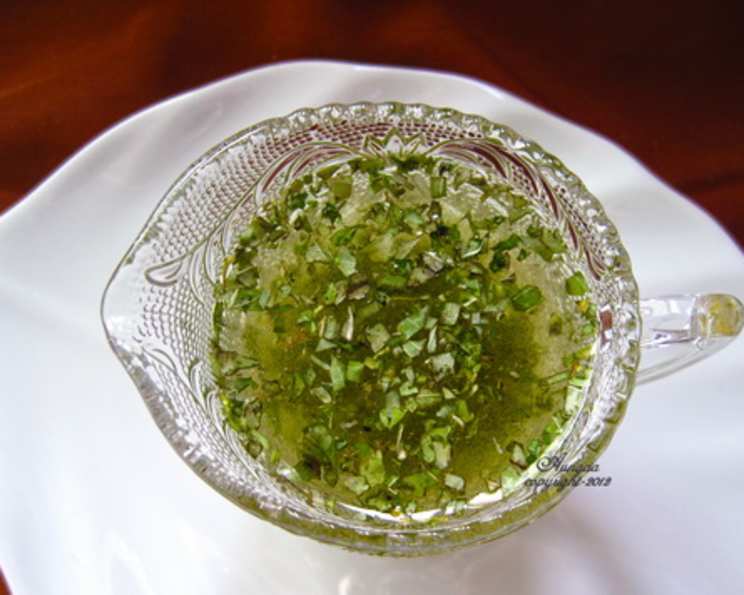
Elevate Your Salads: A Deep Dive into Hazelnut Oil Vinaigrette
I remember the first time I truly understood the transformative power of a great vinaigrette. It was during a sweltering summer in the South of France. I was helping at a small, family-run bistro, and the chef, a woman named Madame Dubois, insisted that every salad, no matter how simple, deserved a dressing that sang. She taught me the secrets of balancing acidity, richness, and herbaceousness, and I’ve never looked at a salad the same way since. This hazelnut oil vinaigrette, inspired by those sun-drenched days, is a testament to her philosophy: a few high-quality ingredients, combined with care, can elevate even the most humble greens into something truly special.
Recipe Overview
- Prep Time: 5 minutes
- Cook Time: 0 minutes
- Total Time: 5 minutes
- Yields: 1 1/2 cups
- Dietary Type: Gluten-Free, Dairy-Free
Ingredients
- 2 tablespoons fresh basil, minced
- 2 tablespoons fresh parsley, minced
- 1 1/2 teaspoons garlic, finely minced
- 1 1/2 teaspoons Dijon mustard
- 1/2 cup olive oil
- 6 tablespoons rice wine vinegar
- 6 tablespoons hazelnut oil
- Salt, to taste
- Fresh ground black pepper, to taste
Equipment Needed
- Small glass measuring cup
- Whisk
Instructions
- In a small glass measuring cup, combine the minced fresh basil, minced fresh parsley, finely minced garlic, and Dijon mustard. This creates the aromatic base of the vinaigrette.
- Gradually whisk in the olive oil. Whisking slowly ensures that the oil emulsifies properly with the other ingredients, creating a stable and creamy vinaigrette.
- Follow with the rice wine vinegar, continuing to whisk constantly. The vinegar provides the necessary acidity to balance the richness of the oils.
- Finally, whisk in the hazelnut oil. The hazelnut oil adds a distinctive nutty flavor that elevates this vinaigrette above the ordinary.
- Season with salt and fresh ground black pepper to taste. Be sure to taste and adjust the seasoning as needed. Remember, salt enhances the flavors of all the other ingredients.
- Whisk again vigorously just before serving to ensure the vinaigrette is fully emulsified. This prevents the oil and vinegar from separating.
Expert Tips & Tricks
- Infusion Enhancement: For an even more intense hazelnut flavor, gently warm the hazelnut oil in a small saucepan over low heat with a few crushed, toasted hazelnuts. Let it infuse for about 30 minutes, then strain before using. Remember to let the oil cool completely before adding it to the vinaigrette to prevent the herbs from wilting.
- Garlic Intensity Control: If you prefer a milder garlic flavor, blanch the minced garlic in boiling water for 30 seconds, then drain and rinse with cold water. This mellows the sharp bite of raw garlic.
- Mustard Power-Up: Experiment with different types of Dijon mustard to vary the flavor profile. A stone-ground mustard will add a coarser texture and more robust flavor, while a smooth Dijon will result in a more delicate vinaigrette.
- Emulsification Perfection: If your vinaigrette tends to separate quickly, try adding a tiny pinch of xanthan gum or lecithin powder. These natural emulsifiers help to keep the oil and vinegar combined for longer. Be careful not to add too much, as it can thicken the vinaigrette excessively.
Serving & Storage Suggestions
This hazelnut oil vinaigrette is incredibly versatile and can be used in a variety of ways. Drizzle it over a simple green salad with toasted hazelnuts and crumbled goat cheese for a classic pairing. It’s also excellent with roasted vegetables like Brussels sprouts, butternut squash, or asparagus. Try using it as a marinade for grilled chicken or fish, or as a dipping sauce for crusty bread.
Store leftover vinaigrette in an airtight container in the refrigerator. It will keep for up to 5 days. The oil may solidify in the refrigerator, so allow the vinaigrette to come to room temperature for about 30 minutes and whisk vigorously before serving. Avoid freezing, as this can affect the texture and flavor.
Nutritional Information
| Nutrient | Amount per Serving | % Daily Value |
|---|---|---|
| Calories | 210 kcal | 10% |
| Total Fat | 22g | 34% |
| Saturated Fat | 3g | 15% |
| Cholesterol | 0mg | 0% |
| Sodium | 10mg | 0% |
| Total Carbohydrate | 1g | 0% |
| Dietary Fiber | 0g | 0% |
| Sugars | 0g | 0% |
| Protein | 0g | 0% |
Note: Nutritional information is an estimate and may vary based on specific ingredients and portion sizes.
Variations & Substitutions
- Herbaceous Alternatives: If you don’t have fresh basil and parsley on hand, you can substitute other herbs like chives, tarragon, or dill. Use about half the amount of dried herbs, as they have a more concentrated flavor.
- Nut Oil Exploration: While hazelnut oil is the star of this vinaigrette, you can experiment with other nut oils like walnut oil or almond oil. Each will impart a unique flavor profile.
- Vinegar Ventures: If you don’t have rice wine vinegar, you can use white wine vinegar, apple cider vinegar, or even lemon juice. Adjust the amount to taste, as each has a different level of acidity.
- Sweetness Enhancement: For a touch of sweetness, add a teaspoon of honey or maple syrup to the vinaigrette. This is especially delicious when pairing with roasted vegetables.
FAQs (Frequently Asked Questions)
Q: Can I make this vinaigrette ahead of time?
A: Absolutely! The vinaigrette can be made up to 5 days in advance and stored in the refrigerator. Just be sure to whisk it well before serving.
Q: What is the best way to mince garlic finely?
A: Use a sharp knife to finely chop the garlic, then sprinkle it with a little salt and use the side of the knife to smash it into a paste. This releases the garlic’s essential oils and intensifies its flavor.
Q: Can I use dried herbs instead of fresh?
A: Yes, you can, but use about half the amount of dried herbs as you would fresh herbs, as dried herbs have a more concentrated flavor.
Q: My vinaigrette is too tart. How can I fix it?
A: Add a small amount of honey, maple syrup, or even a pinch of sugar to balance the acidity. You can also add a little more olive oil to round out the flavor.
Q: Why does my vinaigrette separate?
A: Oil and vinegar are naturally immiscible, meaning they don’t stay mixed together for long. Whisking vigorously just before serving helps to temporarily emulsify the mixture. Adding a small amount of Dijon mustard also helps to stabilize the emulsion.
Final Thoughts
This hazelnut oil vinaigrette is more than just a dressing; it’s an invitation to elevate your everyday meals. The nutty aroma, the bright acidity, and the fresh herbs create a symphony of flavors that will awaken your taste buds and transform even the simplest salad into a culinary delight. So, gather your ingredients, grab your whisk, and prepare to experience the magic of a truly exceptional vinaigrette. Don’t be afraid to experiment with different herbs, oils, and vinegars to create your own signature blend. And most importantly, share your creations with friends and family, spreading the joy of good food and great company. Bon appétit!