
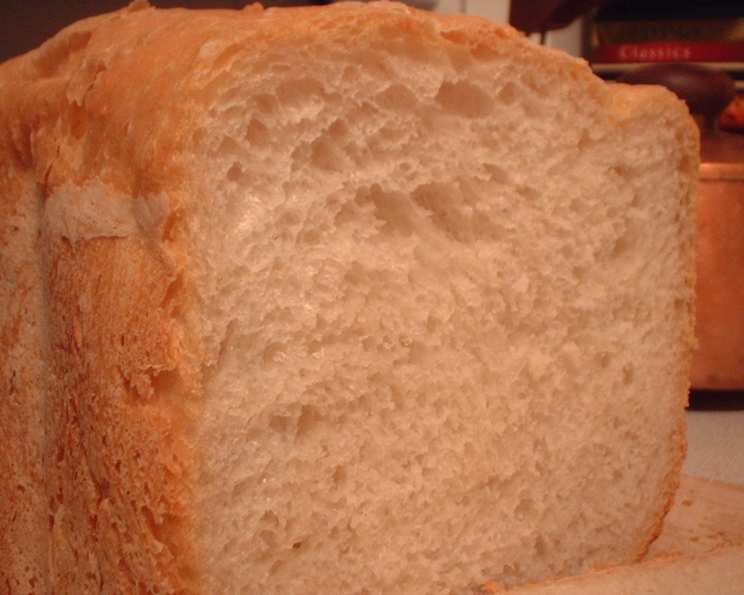
Healthy French Bread Loaf (ABM)
The scent of baking bread… it’s a memory woven into the fabric of my childhood. My grandmother, a formidable woman with flour always dusted on her apron, would let me stand on a stool and watch, mesmerized, as she kneaded dough. While her creations were undeniably delicious, they were also undeniably… rich. This recipe, a healthy take on classic French bread made easy with a bread machine, brings back those comforting aromas without the guilt. I can almost see her watching, a slight smile playing on her lips, as I pull a perfectly golden loaf from the machine, ready to share with my own family.
Recipe Overview
- Prep Time: 5 minutes
- Cook Time: 3 hours 57 minutes
- Total Time: 4 hours 2 minutes
- Servings: 14
- Yield: 560 grams Loaf
- Dietary Type: Vegan
Ingredients
- 300 ml warm water
- 400 g strong white bread flour
- 13 g firm margarine or 1 tablespoon sunflower oil
- 5 g salt (or 1 teaspoon salt)
- 3 g bread machine yeast (about 1 slightly raised teaspoon)
- 5 ml vinegar (optional, in place of the same quantity of warm water)
Equipment Needed
- Bread Machine
- Kitchen Scales (electronic recommended)
- Wire Rack
Instructions
-
Begin by removing the bread pan from your bread machine and placing it on your kitchen scales. Zero the scales to ensure accurate measurements. Electronic scales are highly recommended for precision.
-
If using, add the optional vinegar to the bread pan. Vinegar helps the loaf stay fresh for longer. Cider vinegar, white wine vinegar, or clear rice vinegar are all suitable choices.
-
Add the warm water to the pan, ensuring the total liquid volume (including vinegar, if used) is 300 ml. Remember, 300 ml of water weighs approximately 300 g.
-
Weigh in the remaining ingredients. The order isn’t critical, but ideally, you want to cover the water with the flour. This helps to prevent the yeast from activating prematurely.
-
When using oil, I find that about 2/3 of a tablespoon is usually enough, but most people would probably prefer the full tablespoon as listed.
-
Carefully return the bread pan to the bread machine.
-
Select the French bread cycle on your bread machine, if available. If your machine doesn’t have a dedicated French bread cycle, the whole wheat cycle is a suitable alternative.
-
Set your preference for crust color. For this recipe, a dark/firm crust is highly recommended to achieve that authentic French bread texture.
-
Start the bread machine and allow it to complete its cycle.
-
Once the cycle is complete, carefully remove the bread pan from the machine.
-
Gently remove the loaf from the pan and place it on a wire rack to cool completely. Cooling on a wire rack prevents the bottom crust from becoming soggy.
Expert Tips & Tricks
- The small amount of vinegar is a baker’s secret to extending the shelf life of your loaf. If you plan to consume the bread within 24 hours, you can omit the vinegar for a slightly improved flavor.
- Ensure your ingredients are at room temperature for optimal yeast activation. While the water is warm, avoid excessively hot water, which can kill the yeast.
- If your bread machine allows for it, experiment with adjusting the kneading time. A slightly longer kneading time can develop the gluten in the flour more fully, resulting in a chewier, more open crumb.
- Keep the bread machine clean to prevent contamination and odor buildup. Wipe down the interior regularly with a damp cloth.
- For a richer flavor, consider using a high-quality bread flour with a higher protein content. This will result in a more robust and flavorful loaf.
Serving & Storage Suggestions
Serve this healthy French bread loaf fresh, sliced, and warm. It’s excellent as a side to soups, salads, or pasta dishes. Use it for sandwiches, toast, or even bruschetta.
Store leftover bread in an airtight container at room temperature for up to 2 days. For longer storage, wrap the loaf tightly in plastic wrap and freeze it for up to 2 months. To reheat frozen bread, thaw it completely at room temperature and then warm it in a preheated oven at 350°F (175°C) for 5-10 minutes, or until heated through. You can also refresh it by sprinkling lightly with water before reheating.
Nutritional Information
| Nutrient | Amount per Serving | % Daily Value* |
|---|---|---|
| Calories | 111.2 kcal | N/A |
| Calories from Fat | N/A | N/A |
| Total Fat | 1 g | 1% |
| Saturated Fat | 0.5 g | 2% |
| Cholesterol | 2 mg | 0% |
| Sodium | 144.8 mg | 6% |
| Total Carbohydrate | 21.9 g | 7% |
| Dietary Fiber | 0.8 g | 3% |
| Sugars | 0.1 g | 0% |
| Protein | 3 g | 6% |
* Percent Daily Values are based on a 2,000 calorie diet. Your daily values may be higher or lower depending on your calorie needs.
Variations & Substitutions
- Whole Wheat French Bread: Substitute up to half of the strong white bread flour with whole wheat flour for a nuttier flavor and added fiber.
- Herb-Infused French Bread: Add 1-2 tablespoons of your favorite dried herbs, such as rosemary, thyme, or oregano, to the dough for a savory twist.
- Garlic French Bread: Mix 1-2 teaspoons of garlic powder into the dough, or brush the baked loaf with garlic-infused oil.
- Olive Oil French Bread: Replace the margarine or sunflower oil with olive oil for a Mediterranean flavor.
- Gluten-Free French Bread: Substitute the strong white bread flour with a gluten-free bread flour blend. Note that you may need to adjust the liquid content to achieve the desired dough consistency.
FAQs (Frequently Asked Questions)
Q: Why is the water supposed to be warm, not hot?
A: Warm water (around 105-115°F or 40-46°C) provides the ideal temperature for activating the yeast without killing it. Hot water will damage or kill the yeast, preventing the bread from rising properly.
Q: Can I use instant yeast instead of bread machine yeast?
A: Yes, you can use instant yeast (also known as rapid-rise yeast). However, bread machine yeast is specifically formulated to work well in bread machines and may provide a slightly better result. Follow the manufacturer’s instructions for converting between the two types of yeast.
Q: My loaf came out dense and didn’t rise much. What went wrong?
A: Several factors could contribute to a dense loaf. Check that your yeast is fresh and active, that you used the correct amount of yeast, and that the water temperature was appropriate. Also, ensure that you measured the ingredients accurately and that your bread machine is functioning correctly.
Q: Can I make this recipe by hand instead of using a bread machine?
A: Yes, you can make this recipe by hand. Combine all the ingredients in a bowl and knead for 8-10 minutes until a smooth and elastic dough forms. Let the dough rise in a warm place for 1-1.5 hours, or until doubled in size. Punch down the dough, shape it into a loaf, and bake in a preheated oven at 375°F (190°C) for 25-30 minutes, or until golden brown.
Q: The crust of my bread is too hard. How can I prevent this?
A: To prevent a crust that is too hard, try reducing the baking time slightly or lightly tenting the loaf with foil during the last 10-15 minutes of baking. You can also brush the loaf with melted butter or olive oil immediately after baking to soften the crust.
Final Thoughts
There’s a simple pleasure in baking bread, a connection to something timeless. This healthy French bread loaf, made effortlessly in your bread machine, offers that same satisfaction with a focus on wholesome ingredients. Don’t be afraid to experiment with variations, add your own personal touch, and most importantly, share it with those you love. The aroma alone is enough to bring smiles to faces, and that, my friends, is the true magic of homemade bread. I encourage you to try this recipe and leave a comment below with your feedback and any creative adaptations you’ve made! This bread pairs beautifully with a hearty French onion soup or a simple green salad. Bon appétit!