
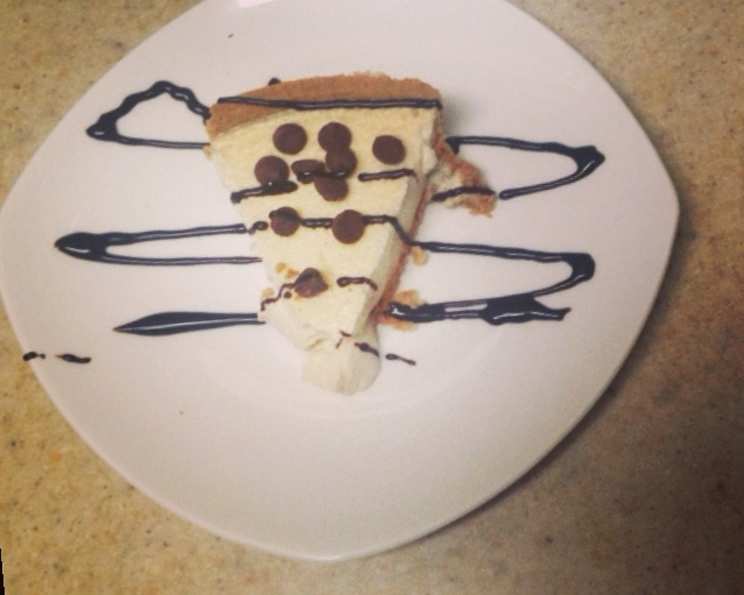
Guilt-Free Indulgence: A High-Protein Cheesecake Delight
I remember my grandmother’s cheesecakes. They were legendary, towering, and undeniably delicious. But, oh, the guilt! Every bite was a battle between pleasure and knowing I’d probably feel sluggish later. That’s why I’m so excited about this recipe. It captures the creamy, decadent essence of a classic cheesecake, but it’s packed with protein and incredibly light. It’s the perfect way to indulge without derailing your healthy eating habits – Grandma would be surprised, but I think she’d approve!
Recipe Overview
- Prep Time: 10 minutes
- Cook Time: 30 minutes
- Total Time: 3 hours 10 minutes (includes cooling and chilling)
- Servings: 8
- Yield: 1 cheesecake
- Dietary Type: High Protein, Low Fat, Low Sugar
Ingredients
- 1 cup low fat cottage cheese
- 1 tablespoon vanilla extract
- 3 tablespoons sugar substitute (Splenda)
- 12 ounces fat free cream cheese, softened to room temperature
- 1 cup egg whites or 1 cup egg substitute
- 1 reduced fat graham cracker crust
Equipment Needed
- Blender or food processor
- Measuring cups and spoons
- Oven
- Cooling rack
- Refrigerator
Instructions
-
Preheat your oven to 350°F (175°C). This consistent temperature is key to even baking.
-
Spoon the cottage cheese into a blender or food processor. Blend on high for 30 seconds. This is crucial for achieving that smooth, creamy cheesecake texture, so don’t skip this step! Ensure all the curds are completely blended.
-
Add the softened fat free cream cheese to the blended cottage cheese and blend on high for another 30 seconds. The cream cheese must be at room temperature to avoid lumps. If it’s too cold, it won’t blend properly.
-
Scrape down the sides of the blender or food processor. This ensures that all ingredients are fully incorporated. Add the Splenda and vanilla extract. Blend on medium speed while gradually adding the egg whites (or egg substitute) for 45 seconds. Adding the egg whites gradually helps to create a smooth, airy texture. Don’t over-blend at this stage, as it can incorporate too much air, leading to cracking during baking.
-
Pour the cheese filling into the reduced fat graham cracker crust. Ensure the filling is evenly distributed for a consistent bake.
-
Bake for 30 minutes. Keep a close eye on the cheesecake. You want it to be set around the edges but still have a slight jiggle in the center.
-
Let the cheesecake cool on a cooling rack for at least 30 minutes. This allows the cheesecake to settle and prevents cracking as it cools.
-
Refrigerate for at least 2 hours before serving. This step is essential for the cheesecake to fully set and develop its characteristic creamy texture. Chilling also enhances the flavors.
-
Serve plain or with any kind of berries you choose and top off with some fat-free whipped topping! Fresh berries add a burst of flavor and color, and the whipped topping adds an extra touch of indulgence without the guilt.
Expert Tips & Tricks
-
Preventing Cracks: To avoid cracks in your cheesecake, try placing a pan of water on the bottom rack of the oven while baking. The steam helps to keep the oven humid, preventing the cheesecake from drying out and cracking.
-
Softening Cream Cheese: The key to a smooth cheesecake is softened cream cheese. If you forget to take it out ahead of time, you can microwave it in 15-second intervals, being careful not to melt it.
-
Blending Alternatives: If you don’t have a blender or food processor, you can use an immersion blender or even a hand mixer. Just make sure to blend the cottage cheese until it’s completely smooth before adding the other ingredients.
-
Make-Ahead Tip: You can make this cheesecake a day or two in advance. Just keep it covered in the refrigerator. The flavors will actually meld together and improve over time.
-
Enhance the Crust: For an extra layer of flavor, lightly brush the graham cracker crust with melted coconut oil and sprinkle with a touch of cinnamon before adding the filling.
Serving & Storage Suggestions
Serve this high-protein cheesecake chilled for the best taste and texture. It looks beautiful when topped with fresh berries, a drizzle of sugar-free chocolate syrup, or a dollop of fat-free whipped topping.
Leftovers can be stored in the refrigerator for up to 5 days. Cover the cheesecake tightly with plastic wrap or store it in an airtight container to prevent it from drying out. While you could freeze this cheesecake, the texture may change slightly upon thawing. If you do freeze it, wrap it tightly in plastic wrap and then in foil. Thaw it in the refrigerator overnight before serving.
Nutritional Information
Here’s an approximate nutritional breakdown per serving (based on 8 servings):
| Nutrient | Amount per Serving | % Daily Value |
|---|---|---|
| Calories | 103.8 kcal | N/A |
| Calories from Fat | 10 g | N/A |
| Total Fat | 1.2 g | 1% |
| Saturated Fat | 0.6 g | 2% |
| Cholesterol | 7.9 mg | 2% |
| Sodium | 442.3 mg | 18% |
| Total Carbohydrate | 8.2 g | 2% |
| Dietary Fiber | 0 g | 0% |
| Sugars | 7 g | N/A |
| Protein | 13.4 g | N/A |
Note: Nutritional information is an estimate and may vary based on specific ingredients used.
Variations & Substitutions
-
Gluten-Free: Use a gluten-free graham cracker crust or make your own with gluten-free graham crackers and a little melted butter or coconut oil.
-
Dairy-Free (Almost): This recipe is already very low in fat and sugar. You can experiment with a dairy-free cream cheese alternative. Be aware that the texture and flavor might be slightly different.
-
Flavor Boost: Add a tablespoon of lemon zest or a teaspoon of almond extract to the filling for a different flavor profile.
-
Berry Swirl: Swirl in some sugar-free berry jam or puree into the filling before baking for a beautiful and delicious effect.
-
Chocolate Indulgence: Add a tablespoon or two of unsweetened cocoa powder to the filling for a chocolate cheesecake.
FAQs (Frequently Asked Questions)
Q: Can I use a different sugar substitute?
A: Yes, you can substitute Splenda with your preferred sugar substitute. Just be sure to adjust the amount according to the sweetener’s instructions, as some substitutes are sweeter than others.
Q: My cheesecake cracked! What did I do wrong?
A: Cracking is often caused by rapid temperature changes or baking at too high a temperature. Try baking at a slightly lower temperature and using a water bath (placing a pan of water on the lower rack) to create a more humid environment in the oven.
Q: Can I freeze this cheesecake?
A: Yes, you can freeze it, but the texture might change slightly. Wrap it tightly in plastic wrap and then in foil before freezing. Thaw it in the refrigerator overnight before serving.
Q: How do I know when the cheesecake is done?
A: The cheesecake is done when the edges are set, but the center still has a slight jiggle. It will continue to set as it cools.
Q: Can I make this without a crust?
A: Yes, you can bake the filling in individual ramekins without a crust for a crustless cheesecake. Just be sure to grease the ramekins well before pouring in the filling.
Final Thoughts
This high-protein cheesecake is a fantastic way to satisfy your sweet cravings without compromising your health goals. It’s incredibly versatile, allowing for countless variations and customizations to suit your taste. So go ahead, give this recipe a try, and discover the joy of guilt-free indulgence. I’d love to hear how it turns out and any creative twists you add! It’s a delicious, protein-packed treat you can enjoy any time of day!