
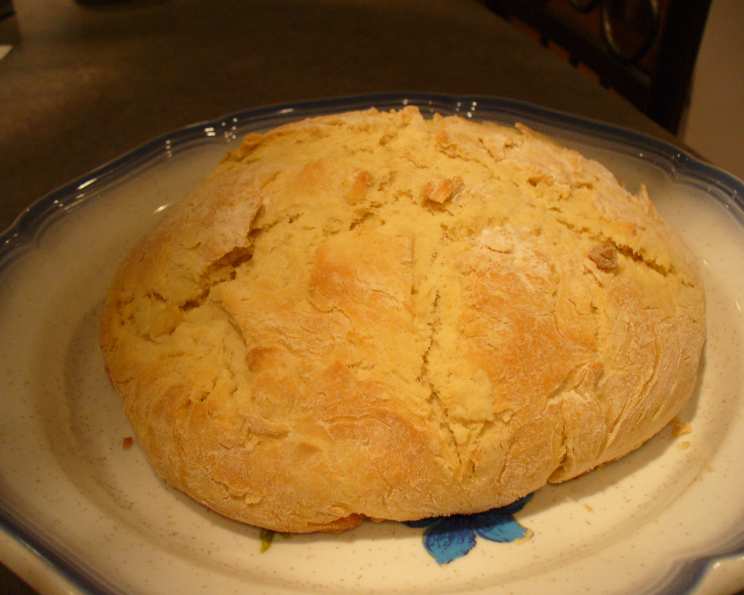
The Comfort of Hearth Bread: A Journey Back to Simplicity
There’s something profoundly comforting about the smell of freshly baked bread wafting through the house. It evokes memories of my grandmother’s kitchen, a warm and inviting space where simple ingredients transformed into culinary magic. I remember the slightly uneven shape of her loaves, the rustic crust, and the satisfying weight in my hands. This hearth bread, quick and without the fuss of yeast, captures that very essence, a reminder that the best things in life are often the simplest.
Recipe Overview
- Prep Time: 10 minutes
- Cook Time: 25-30 minutes
- Total Time: 35-40 minutes
- Yields: 1 loaf
- Dietary Type: Not Yeast Free
Ingredients
- 2 cups flour
- 1/2 teaspoon salt
- 1/2 teaspoon baking soda
- 1/4 cup sugar
- 3-4 tablespoons butter
- 1 egg
- 3/4 cup sour milk (See notes below for making sour milk.)
Ingredient Notes:
- Flour: All-purpose flour works best for this recipe. You can experiment with other flours like whole wheat, but the texture will change.
- Butter: Cold butter, cut into small pieces, is recommended for the best texture.
- Sour Milk: If you don’t have sour milk on hand, you can easily make it by adding 3/4 teaspoon of lemon juice or white vinegar to 3/4 cup of milk. Let it sit for 5-10 minutes until it curdles slightly.
Equipment Needed
- Large Mixing Bowl
- Measuring Cups and Spoons
- Pastry Blender or Fork (optional, for cutting in butter)
- Breadboard or Clean Work Surface
- Baking Pan (loaf pan or baking sheet)
Instructions
- Preheat your oven to 350°F (175°C).
- In a large mixing bowl, combine the flour, salt, baking soda, and sugar.
- Cut in the butter using a pastry blender or your fingertips until the mixture resembles coarse crumbs. This step is crucial for creating a tender crumb in your bread. The smaller the pieces of butter, the more evenly it will distribute throughout the flour, resulting in a more delicate texture.
- Add the egg and sour milk to the dry ingredients.
- Mix well until just combined. Be careful not to overmix, as this can develop the gluten in the flour and result in a tough bread. A few streaks of flour are okay.
- Turn the dough out onto a lightly floured breadboard or clean work surface.
- Knead the dough lightly for just a minute or two. The goal is to bring the dough together into a cohesive mass, not to develop a strong gluten structure like you would with a yeast bread.
- Shape the dough into a loaf and place it in a greased loaf pan or on a baking sheet. If using a baking sheet, you can score the top of the loaf with a sharp knife to allow steam to escape during baking.
- Bake in the preheated oven for 25-30 minutes, or until the loaf is a nice golden brown color. To check for doneness, insert a toothpick into the center of the loaf. If it comes out clean, the bread is done.
- Remove the bread from the oven and let it cool in the pan for a few minutes before transferring it to a wire rack to cool completely.
Expert Tips & Tricks
- For a richer flavor, try using melted butter instead of cutting in cold butter. This will result in a slightly denser, more cake-like texture.
- If your sour milk is very thick, you may need to add a tablespoon or two of regular milk to achieve the desired consistency. The dough should be slightly sticky, but not overly wet.
- To prevent the top of the bread from browning too quickly, tent it with aluminum foil during the last 10 minutes of baking.
- Adding a touch of cinnamon or nutmeg to the dry ingredients can enhance the flavor of the bread, especially if you’re serving it for breakfast.
- Brush the top of the loaf with melted butter immediately after removing it from the oven for a shiny, golden crust.
Serving & Storage Suggestions
This hearth bread is delicious served warm or at room temperature. It’s perfect for breakfast, toasted with butter or jam, or as a side dish for soups and stews. For a savory twist, try serving it with cheese and charcuterie.
- Storage: Store the bread in an airtight container at room temperature for up to 3 days. For longer storage, wrap it tightly in plastic wrap and freeze it for up to 2 months.
- Reheating: To reheat, wrap the bread in foil and bake it in a preheated oven at 350°F (175°C) for 10-15 minutes, or until warmed through. You can also toast individual slices for a quick and easy snack.
Nutritional Information
| Nutrient | Amount per Serving | % Daily Value |
|---|---|---|
| Calories | 200 kcal | 10% |
| Total Fat | 8g | 12% |
| Saturated Fat | 5g | 25% |
| Cholesterol | 30mg | 10% |
| Sodium | 250mg | 10% |
| Total Carbohydrate | 30g | 10% |
| Dietary Fiber | 1g | 4% |
| Sugars | 5g | N/A |
| Protein | 4g | 8% |
Note: Nutritional information is an estimate and may vary depending on specific ingredients and preparation methods.
Variations & Substitutions
- Dairy-Free: Substitute the butter with a plant-based butter alternative and use non-dairy milk (almond, soy, or oat) mixed with 3/4 teaspoon of lemon juice or vinegar to make sour non-dairy milk.
- Sweet Hearth Bread: Add 1/2 cup of dried fruit (raisins, cranberries, chopped apricots) to the dough for a sweeter treat. You can also add a teaspoon of cinnamon.
- Savory Hearth Bread: Incorporate 1/2 cup of grated cheese (cheddar, parmesan, or Gruyere) and 1/4 cup of chopped herbs (chives, rosemary, or thyme) into the dough for a savory version.
- Gluten-Free: While this recipe is designed for all-purpose flour, you can experiment with a gluten-free all-purpose flour blend. Be aware that the texture and rise may be different, and you might need to adjust the liquid content.
FAQs (Frequently Asked Questions):
Q: Can I use regular milk instead of sour milk?
A: Sour milk helps to tenderize the bread and give it a slight tang. If you don’t have sour milk, you can use regular milk, but the texture and flavor will be slightly different.
Q: Can I make this bread in a bread machine?
A: This recipe is designed to be made by hand. While you could try adapting it for a bread machine, the results may vary.
Q: How do I know when the bread is done?
A: The bread is done when it’s golden brown and a toothpick inserted into the center comes out clean.
Q: Why is my bread dry?
A: Overbaking can cause the bread to be dry. Try reducing the baking time by a few minutes or tenting the loaf with foil during the last part of baking.
Q: Can I add nuts to this bread?
A: Yes, you can add 1/2 cup of chopped nuts (walnuts, pecans, or almonds) to the dough for added flavor and texture.
Final Thoughts
This simple hearth bread is a testament to the beauty of home baking. It’s a recipe that invites you to slow down, connect with the ingredients, and create something truly nourishing with your own hands. I encourage you to give it a try, experiment with your favorite flavors, and share the warmth and comfort of freshly baked bread with those you love. And if you find yourself with a particularly delicious variation, please share it with me – I’m always eager to learn new ways to bring the simple joy of bread into our lives!