
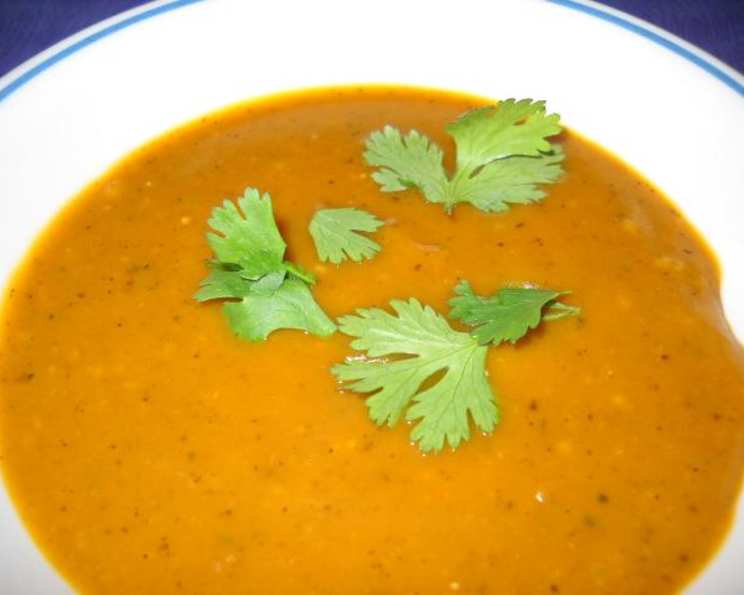
Hearty Kabocha Squash Soup
The aroma of roasted squash always takes me back to autumns in Vermont, helping my grandmother in her sun-drenched kitchen. Golden leaves would drift past the window as we wrestled with stubborn gourds, the air thick with the promise of warm, comforting meals. This Kabocha Squash Soup, with its earthy sweetness and velvety texture, is a direct descendant of those cozy days, a reminder that even the simplest ingredients, prepared with love, can create pure magic in a bowl.
Recipe Overview
- Prep Time: 20 minutes
- Cook Time: 1 hour 8 minutes
- Total Time: 1 hour 28 minutes
- Servings: 4
- Dietary Type: Gluten-Free
Ingredients
- 1 kabocha squash
- 2 (14 ounce) cans chicken stock
- ¼ cup white wine
- 6 garlic cloves
- ½ cup oatmeal
- 1 onion
- 1 teaspoon rock salt
- 10 basil leaves
- Splash of olive oil
Equipment Needed
- Baking pan
- Knife
- Pressure cooker
- Immersion blender (stick blender)
Instructions
- Begin by preparing the kabocha squash. Since you will be using the skin of the squash, carefully wash the entire squash under running water to remove any dirt or debris.
- Cut the squash in half. Exercise extreme caution during this step, as the skin of a kabocha squash can be quite hard and difficult to cut through. Use a sharp, sturdy knife and a stable cutting surface.
- Using a spoon, clean out all of the seeds and stringy fibers from the center of both squash halves. Discard the seeds and fibers, or save the seeds for roasting later.
- Place the squash halves, cut-side down, on a baking pan.
- Bake the squash in a preheated oven at 350°F (175°C) for 1 hour. This will soften the squash and make it easier to handle and blend later.
- Remove the baking pan from the oven and set the squash aside to cool slightly.
- While the squash is baking and cooling, prepare the other ingredients. Dice the onion into small, uniform pieces. Mince the 6 garlic cloves.
- Get out a pressure cooker. Add a splash of olive oil to the pressure cooker. Turn on the heat to medium.
- Add the diced onion and minced garlic to the pressure cooker. Lightly brown the onion and garlic, stirring frequently to prevent them from burning. This step will enhance the flavor of the soup.
- Pour in the two cans of chicken stock (or vegetable stock if you prefer a vegetarian option) and the ¼ cup of white wine into the pressure cooker. The white wine adds a subtle acidity and depth of flavor to the soup.
- By now, the kabocha squash should be cool enough to handle. Take a look at the kabocha squash you took out of the oven earlier. You will be adding in the entire squash, skin and all, but not the hard little stem at the top of the squash. The squash will be very soft, and the skin will tear easily.
- Discard that hard stem at the top of the squash. Add the squash to the pressure cooker, and everything else on the ingredient list: the oatmeal, rock salt, and basil leaves.
- Seal the pressure cooker according to the manufacturer’s instructions.
- Cook the soup at high pressure for 8 minutes.
- After 8 minutes, cool the pressure cooker using the cold water release method. This involves carefully running cold water over the pressure cooker to quickly reduce the pressure inside.
- Once the pressure has been fully released and it is safe to do so, carefully open the lid of the pressure cooker.
- Use an immersion blender (also known as a “stick blender”) to puree the soup to a smooth consistency. Insert the immersion blender into the pressure cooker and blend until the soup is completely smooth and creamy.
- Serve the Hearty Kabocha Squash Soup hot.
Expert Tips & Tricks
- Roasting Squash Seeds: Don’t discard the kabocha squash seeds! Clean them, toss with olive oil and salt, and roast them in a 350°F (175°C) oven for about 10-15 minutes, or until golden brown and crispy. They make a fantastic snack or topping for the soup.
- Enhancing the Flavor: For an extra layer of flavor, consider adding a pinch of nutmeg or a dash of cinnamon to the soup. These warm spices complement the sweetness of the kabocha squash beautifully.
- Adjusting the Consistency: If you prefer a thinner soup, add more chicken stock (or vegetable stock) until you reach your desired consistency. Conversely, if you want a thicker soup, simmer it uncovered for a few minutes after blending to allow some of the liquid to evaporate.
- Make-Ahead Tip: The soup can be made a day or two in advance. Store it in an airtight container in the refrigerator and reheat gently before serving. The flavors will meld together even more over time.
- Troubleshooting: If your soup tastes bland, check your salt level. Kabocha squash can vary in sweetness, so you may need to adjust the seasoning to balance the flavors. A squeeze of lemon juice can also brighten the soup and add a touch of acidity.
Serving & Storage Suggestions
Serve the Hearty Kabocha Squash Soup hot in bowls, garnished with a swirl of cream (dairy or non-dairy), a sprinkle of roasted kabocha squash seeds, or a few fresh basil leaves. A crusty piece of bread or a grilled cheese sandwich on the side makes for a complete and satisfying meal.
To store leftovers, let the soup cool completely before transferring it to an airtight container. It can be stored in the refrigerator for up to 3-4 days. For longer storage, freeze the soup in individual portions for up to 2-3 months. Thaw the frozen soup in the refrigerator overnight before reheating.
Reheat the soup gently on the stovetop over medium heat, stirring occasionally, until heated through. You can also reheat it in the microwave in a microwave-safe bowl.
Nutritional Information
| Nutrient | Amount per Serving | % Daily Value |
|---|---|---|
| Calories | 282 kcal | 14% |
| Total Fat | 7.3g | 11% |
| Saturated Fat | 1.2g | 6% |
| Cholesterol | 5mg | 2% |
| Sodium | 574mg | 24% |
| Total Carbohydrate | 35.5g | 12% |
| Dietary Fiber | 3.4g | 14% |
| Sugars | 9.2g | – |
| Protein | 14.2g | 28% |
Note: Nutritional information is an estimate and may vary based on specific ingredients and preparation methods.
Variations & Substitutions
- Vegan Version: Substitute vegetable stock for chicken stock. Ensure that the white wine is vegan-friendly.
- Spicy Kick: Add a pinch of red pepper flakes or a dash of hot sauce to the soup for a touch of heat.
- Creamy Texture: Stir in a tablespoon of coconut milk or cashew cream after blending for an even richer and creamier texture.
- Herb Variations: Experiment with different herbs, such as thyme, rosemary, or sage, in place of basil.
- Squash Swap: Butternut squash or acorn squash can be substituted for kabocha squash, although the flavor will be slightly different.
- Oatmeal Alternative: If you don’t have oatmeal on hand, you can use cooked rice or quinoa to help thicken the soup.
FAQs (Frequently Asked Questions)
Q: Can I use a regular blender instead of an immersion blender?
A: Yes, you can use a regular blender. However, be extremely careful when blending hot liquids, as they can create pressure and cause the blender lid to explode. Blend in small batches and vent the lid to release steam.
Q: Do I have to use a pressure cooker?
A: No, you can also make this soup in a regular pot on the stovetop. Simply simmer the ingredients until the squash is tender, about 30-40 minutes.
Q: Can I freeze this soup?
A: Yes, this soup freezes well. Let it cool completely before transferring it to an airtight container and freezing for up to 2-3 months.
Q: Is kabocha squash skin edible?
A: Yes! That’s what makes this recipe unique! The skin of kabocha squash is edible and nutritious. Baking it until tender makes it easy to blend into the soup.
Q: Can I use pre-cut squash?
A: While fresh is best, you can use pre-cut squash for convenience. Just make sure it’s of good quality and hasn’t been sitting around for too long.
Final Thoughts
Now it’s your turn to create some kitchen magic! This Hearty Kabocha Squash Soup is more than just a recipe; it’s an invitation to embrace the season’s bounty and connect with simple, nourishing ingredients. Don’t be afraid to experiment with different herbs, spices, and toppings to make it your own. I’m confident that this soup will become a beloved staple in your home, bringing warmth and comfort to every bowl. I’d love to hear about your experience and any creative twists you add to the recipe. Pair it with a crisp apple salad and a glass of dry white wine for the ultimate autumn feast!