
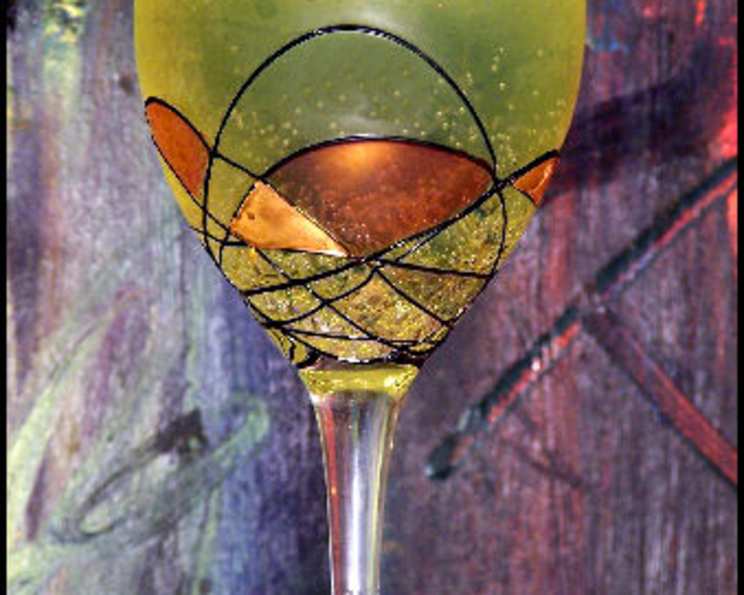
Death in the Afternoon: A Toast to Papa Hemingway
The first time I tasted a Death in the Afternoon, it wasn’t in a Parisian cafe or a Key West bar, but at a tiny, dimly lit literary salon tucked away in a forgotten corner of Prague. The effervescence tickled my nose, the anise bite jolted my senses, and the whole experience felt like stepping into the pages of “A Moveable Feast.” It was bold, unapologetic, and strangely elegant – much like the man who inspired it. That first sip sparked a lifelong appreciation for this audacious cocktail, a liquid testament to Hemingway’s own larger-than-life persona.
Recipe Overview
- Prep Time: 2 minutes
- Total Time: 2 minutes
- Servings: 1
- Dietary Type: N/A (Contains Alcohol)
Ingredients
- 1 1/2 ounces absinthe or 1 1/2 ounces Pernod
- Champagne, chilled
Equipment Needed
- Champagne glass
Instructions
- Pour 1 1/2 ounces of absinthe (or Pernod) into a champagne glass.
- Top with chilled champagne.
Expert Tips & Tricks
The key to a truly exceptional Death in the Afternoon lies in the quality of the ingredients and the proper technique. Always use a well-chilled champagne to prevent excessive foaming and maintain the drink’s refreshing quality. The slower you pour the champagne, the better it will mix and the less foam will be created. High-quality absinthe or Pernod makes a significant difference in the final flavor profile.
For an extra touch of elegance, consider chilling the champagne glass beforehand. This will help keep the cocktail colder for longer. If you find the drink too intense, slightly adjust the ratio of champagne to absinthe to suit your preference. Some bartenders even add a dash of simple syrup to tame the bitterness, though this is not traditional.
Experimenting with different brands of champagne can also yield fascinating results. A dry brut or extra brut is often preferred, as it balances the sweetness of the absinthe.
Serving & Storage Suggestions
Serve your Death in the Afternoon immediately after preparing it. The bubbles are part of the experience, so don’t let it sit for too long. There’s really no storage suggestion, as this drink is best enjoyed immediately. If you absolutely must prepare something in advance, chilling the absinthe and champagne beforehand is the best preparation you can make. The cold temperature will help keep more bubbles in the drink.
Nutritional Information
As an alcoholic beverage, Death in the Afternoon offers negligible nutritional value. The following table provides an estimated breakdown, but keep in mind that the exact values will vary based on the specific brands of absinthe and champagne used.
| Nutrient | Amount per Serving | % Daily Value |
|---|---|---|
| Calories | ~200 kcal | ~10% |
| Alcohol | ~20-30g | N/A |
| Total Fat | 0g | 0% |
| Saturated Fat | 0g | 0% |
| Cholesterol | 0mg | 0% |
| Sodium | ~10mg | ~0% |
| Total Carbohydrate | ~5g | ~2% |
| Dietary Fiber | 0g | 0% |
| Sugars | ~5g | N/A |
| Protein | 0g | 0% |
Note: Daily values are based on a 2,000 calorie diet. These values are estimates and may vary.
Variations & Substitutions
While the classic Death in the Afternoon is a simple yet potent combination, there are a few variations you can explore:
- Pernod Substitution: If you don’t have absinthe readily available, Pernod is an acceptable and historically accurate substitute. Both are anise-flavored liqueurs, though absinthe typically has a higher alcohol content and a more complex flavor profile.
- Sparkling Wine: If champagne is not within your budget, a good quality sparkling wine (such as Prosecco or Cava) can be used as a substitute. Just be sure to choose a dry variety.
- Adjusting Sweetness: For a slightly sweeter drink, add a small splash of simple syrup or sugar to the absinthe before topping with champagne.
- Herbal Infusion: Infuse the absinthe with other herbs like fennel or star anise for a slightly more complex flavor.
- Citrus Twist: Add a lemon or orange twist to the rim of the glass for a refreshing citrus aroma.
FAQs (Frequently Asked Questions)
Q: Why is it called “Death in the Afternoon?”
A: The name comes from Hemingway’s book of the same title, which chronicled his experiences with bullfighting. It’s a bold, dramatic name that reflects the cocktail’s potent nature.
Q: Can I use a different type of glass?
A: While a champagne flute is the traditional choice, a coupe glass can also be used. Just be mindful that a coupe glass has a wider surface area, which may cause the bubbles to dissipate more quickly.
Q: Is absinthe legal?
A: Yes, absinthe is legal in most countries, including the United States. However, it’s important to purchase it from a reputable source to ensure its quality and authenticity.
Q: What if I don’t like the taste of anise?
A: This cocktail is definitely not for those who dislike the taste of anise, as that’s the primary flavor component. Consider a different cocktail with flavors you enjoy.
Q: How much alcohol is in a Death in the Afternoon?
A: The alcohol content will vary depending on the specific absinthe and champagne used, but it’s generally a high-proof cocktail. Drink responsibly!
Final Thoughts
The Death in the Afternoon is more than just a cocktail; it’s a symbol of boldness, adventure, and a certain joie de vivre. It’s a drink that demands attention, a liquid embodiment of Hemingway’s own iconic presence. So, go ahead, uncork that bottle of champagne, carefully measure out the absinthe, and raise a glass to Papa. Whether you’re a seasoned mixologist or a curious novice, I encourage you to try this iconic concoction and experience its unique allure for yourself. And if you have any questions or create a unique spin on the recipe, be sure to share in the comments below – I’d love to hear about it!