
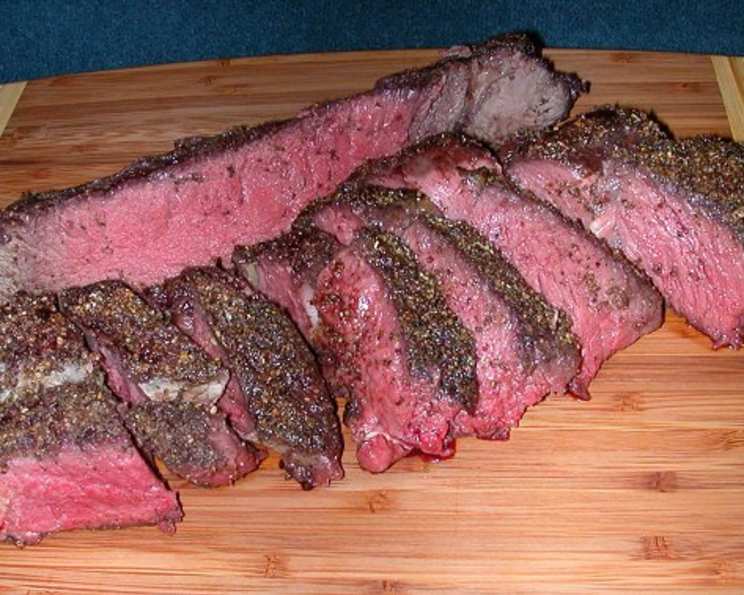
Herb Pepper-Encrusted Beef Fillet: A Symphony of Flavors
The first time I made this dish, it was for a small family gathering during the holidays. The aroma of rosemary and thyme filled the house, mingling with the sharper scent of cracked black pepper. As the fillet emerged from the oven, perfectly browned and fragrant, I knew I had created something special – a dish that felt both rustic and refined, a true centerpiece. The moment my uncle, a man of few words but discerning taste, declared it the “best beef he’d ever had,” I understood the power of this simple yet elegant preparation.
Recipe Overview
- Prep Time: 20 minutes
- Cook Time: 40 minutes
- Total Time: 1 hour
- Servings: 8
- Dietary Type: Gluten-Free
Ingredients
- 1 filet of beef, trimmed (3 pounds)
- ½ teaspoon dried thyme
- 1 ½ tablespoons dried rosemary
- 2 tablespoons whole black peppercorns
- 1 teaspoon salt
Herbed Mustard Sauce
- ¼ cup evaporated milk
- ¼ cup tarragon vinegar
- 2 tablespoons stone ground Dijon mustard
- ½ cup vegetable oil
- 2 tablespoons chopped fresh tarragon
- 1 finely chopped shallot
- ½ teaspoon salt
- ¼ teaspoon black pepper
Equipment Needed
- Small food processor or blender
- Blender
- Waxed paper
- Roasting pan
- Rack
- Instant-read thermometer
Instructions
-
Begin by chilling the evaporated milk in the freezer for 10 minutes. This helps it emulsify properly in the sauce.
-
While the milk chills, prepare the Herbed Mustard Sauce. Combine the tarragon vinegar and Dijon mustard in a blender.
-
Pour in the chilled evaporated milk into the blender with the vinegar and mustard.
-
With the blender running, slowly and steadily drizzle in the vegetable oil until the sauce is well blended and emulsified. Patience is key here; a slow, steady stream of oil will ensure a smooth and creamy sauce.
-
Add the fresh tarragon, finely chopped shallot, salt, and black pepper to the blender.
-
Blend briefly to combine all the ingredients. Taste and adjust seasonings as needed. Set the sauce aside.
-
Preheat your oven to 450°F (230°C). Ensure your oven rack is positioned in the center for even cooking.
-
Pat the beef fillet dry with paper towels. This is crucial for achieving a good crust. Moisture is the enemy of browning.
-
In a small food processor or blender, combine the dried thyme, dried rosemary, whole black peppercorns, and salt.
-
Whirl the mixture to crush the herbs and peppercorns. You want a coarse grind, not a fine powder, to provide texture and flavor.
-
Place the herb and pepper mixture on a sheet of waxed paper.
-
Roll the beef fillet in the herb mixture, pressing gently to ensure it is entirely coated. This creates a flavorful crust that seals in the juices.
-
Place the encrusted fillet on a rack in a roasting pan. Using a rack allows air to circulate around the fillet, promoting even cooking and browning.
-
Sprinkle any remaining herb mixture over the top of the fillet.
-
Roast the fillet in the preheated 450°F (230°C) oven for 40 minutes, or until an instant-read thermometer registers an internal temperature of 145°F (60°C) for medium-rare. Remember that cooking times can vary depending on the thickness of your fillet and the accuracy of your oven.
-
Remove the fillet from the oven and let it rest for 10-15 minutes before carving. This resting period is essential as it allows the juices to redistribute throughout the meat, resulting in a more tender and flavorful final product. Tenting the fillet loosely with foil during resting can help retain heat without steaming the crust.
-
If serving cold, cool the fillet to room temperature and then refrigerate.
-
Serve the sliced Herb Pepper-Encrusted Beef Fillet with the Herbed Mustard Sauce.
Expert Tips & Tricks
- Spice Level: Adjust the amount of black peppercorns to your taste. For a milder flavor, use coarsely ground pepper instead of whole peppercorns.
- Herb Variations: Feel free to experiment with different herbs. Consider adding a pinch of dried sage or oregano for a different flavor profile.
- Make-Ahead Tip: The herb crust can be prepared a day in advance and stored in an airtight container at room temperature. The Herbed Mustard Sauce can also be made ahead and refrigerated.
- Doneness: Use an instant-read thermometer for accurate doneness. Insert the thermometer into the thickest part of the fillet, avoiding any fat or bone. For medium, aim for 155°F (68°C); for medium-well, 160°F (71°C). Remember that the internal temperature will continue to rise slightly during the resting period.
- Sealing the Fillet: For an extra layer of flavor and to help seal in juices, consider searing the fillet in a hot skillet with olive oil for a few minutes on each side before coating it with the herb mixture.
- Mustard Sauce: If you don’t have tarragon vinegar, you can substitute white wine vinegar or apple cider vinegar, but the tarragon flavor is truly special in this sauce.
Serving & Storage Suggestions
Serve the Herb Pepper-Encrusted Beef Fillet sliced thinly across the grain. The contrast of the peppery crust and the tender interior is exquisite. Drizzle generously with the Herbed Mustard Sauce. This dish pairs beautifully with roasted vegetables, mashed potatoes, or a simple green salad.
Leftovers can be stored in an airtight container in the refrigerator for up to 3 days. For longer storage, consider freezing sliced portions. Reheat gently in a low oven or microwave, taking care not to overcook the beef. The Herbed Mustard Sauce can also be stored in the refrigerator for up to 5 days.
Nutritional Information
| Nutrient | Amount per Serving | % Daily Value |
|---|---|---|
| Calories | 280 kcal | 14% |
| Total Fat | 18g | 28% |
| Saturated Fat | 6g | 30% |
| Cholesterol | 90mg | 30% |
| Sodium | 350mg | 15% |
| Total Carbohydrate | 2g | 1% |
| Dietary Fiber | 0g | 0% |
| Sugars | 1g | 0% |
| Protein | 25g | 50% |
Nutritional information is an estimate and can vary based on specific ingredients and portion sizes.
Variations & Substitutions
- Spicy Variation: Add a pinch of red pepper flakes to the herb mixture for a spicy kick.
- Gluten-Free Sauce: Ensure that the Dijon mustard you use is gluten-free.
- Herb Substitutions: If you don’t have fresh tarragon, you can use dried tarragon in the sauce, but use it sparingly as dried herbs have a more concentrated flavor. About 1 teaspoon of dried tarragon should suffice.
- Vegetarian Option: While this recipe focuses on beef, the herb crust and mustard sauce can be adapted for other proteins like lamb or pork tenderloin.
- Wine Pairing: This dish pairs wonderfully with a full-bodied red wine such as Cabernet Sauvignon or Merlot.
FAQs (Frequently Asked Questions)
Q: How can I ensure my beef fillet is cooked evenly?
A: Using a rack in the roasting pan allows for even air circulation. Also, ensure your oven is preheated and the rack is in the center position.
Q: Can I use a different type of mustard in the sauce?
A: While stone-ground Dijon is recommended for its texture and flavor, you can use regular Dijon mustard or even a whole-grain mustard for a different twist.
Q: What’s the best way to carve the beef fillet?
A: Let the fillet rest for at least 10 minutes before carving. Use a sharp carving knife and slice thinly against the grain for the most tender result.
Q: Can I make the Herbed Mustard Sauce without a blender?
A: Yes, you can whisk the sauce by hand, but it will require more effort and patience to achieve a smooth and emulsified texture. Whisk the vinegar and mustard first, then slowly drizzle in the oil while whisking continuously.
Q: What if my beef fillet is frozen?
A: Thaw the beef fillet completely in the refrigerator before cooking. Pat it dry with paper towels before applying the herb crust. Do not cook the fillet from frozen, as it will not cook evenly.
Final Thoughts
This Herb Pepper-Encrusted Beef Fillet is more than just a meal; it’s an experience. The combination of aromatic herbs, cracked black pepper, and the rich, tender beef is truly unforgettable. Don’t be intimidated by the seemingly long list of ingredients – each one plays a vital role in creating a harmonious blend of flavors. So, gather your ingredients, preheat your oven, and embark on this culinary adventure. I’m confident that you, like my uncle, will find yourself captivated by the sheer deliciousness of this dish. And remember, cooking is a journey, not a destination. Embrace the process, experiment with flavors, and most importantly, enjoy the fruits of your labor. Bon appétit!