
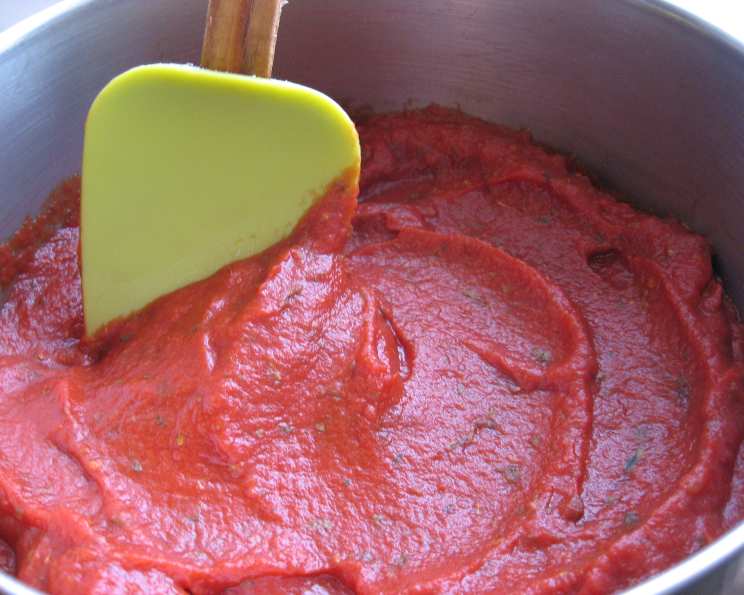
Herbed Pizza Sauce: A Taste of Italy in Every Bite
My earliest memories are filled with the aroma of garlic and herbs simmering on my Nonna’s stove. Every Sunday, her kitchen transformed into a symphony of bubbling sauces and hand-kneaded dough, the anticipation of homemade pizza hanging heavy in the air. The secret, of course, was in her sauce – a simple yet magical blend of tomatoes and herbs that elevated even the humblest pizza to a culinary masterpiece. This recipe, inspired by those cherished memories, brings the same heartwarming flavors to your own kitchen.
Recipe Overview
- Prep Time: 5 minutes
- Cook Time: 2 minutes
- Total Time: 7 minutes
- Yield: About 1 1/2 cups
- Dietary Type: Vegan
Ingredients
- 1 (8 ounce) can tomato sauce
- 1 (6 ounce) can tomato paste
- 1 teaspoon sugar
- 1 teaspoon dried basil
- 1 teaspoon dried oregano
- 1/2 teaspoon garlic powder (can substitute fresh minced garlic) or 1/2 teaspoon garlic granules (can substitute fresh minced garlic)
- 1/2 teaspoon dried marjoram
- 1/2 teaspoon dried thyme
- Salt and pepper to taste
Equipment Needed
- Small saucepan
- Spoon or whisk
Instructions
- In a small saucepan, combine the tomato sauce, tomato paste, sugar, dried basil, dried oregano, garlic powder (or granules), dried marjoram, and dried thyme.
- Season with salt and pepper to your liking. Remember that the flavors will intensify slightly as the sauce cooks, so start with a conservative amount.
- Place the saucepan over medium heat.
- Cook and stir the sauce continuously for about 2 minutes. This short cooking time allows the flavors to meld together without reducing the sauce too much. Avoid boiling the sauce rapidly, as it can spatter and potentially burn. The sauce is ready when it’s heated through and the herbs have released their fragrance.
- Remove the saucepan from the heat and let the sauce cool slightly before using it on your pizza dough.
Expert Tips & Tricks
- Fresh Garlic Boost: For a more pungent garlic flavor, substitute the garlic powder or granules with 1-2 cloves of fresh garlic, minced finely. Add the minced garlic to the saucepan with a teaspoon of olive oil and sauté for about 30 seconds before adding the remaining ingredients.
- Sweetness Adjustment: The amount of sugar can be adjusted to balance the acidity of the tomatoes. If your tomatoes are particularly acidic, you might want to add a touch more sugar, or even a pinch of baking soda to neutralize the acid. Conversely, if you prefer a tangier sauce, reduce the amount of sugar or omit it altogether.
- Herb Infusion: To deepen the herbal flavor, consider adding a bay leaf to the sauce while it simmers. Remember to remove the bay leaf before using the sauce.
- Spice It Up: For a spicy kick, add a pinch of red pepper flakes to the saucepan along with the other herbs.
- Texture Refinement: For a smoother sauce, use an immersion blender or transfer the sauce to a regular blender after cooking and blend until smooth. Be cautious when blending hot liquids, as they can create pressure and cause splattering. Vent the blender lid carefully to release steam.
- Flavor Enhancement: A tablespoon of olive oil added to the sauce while cooking enriches the sauce and adds a velvety texture.
- Parmesan Power: While the recipe doesn’t initially call for it, incorporating up to 1/2 cup of grated parmesan cheese adds a salty and umami-rich dimension. Add the parmesan towards the end of the cooking process and stir until melted and well combined.
- Make-Ahead Marvel: This sauce can be made ahead of time and stored in the refrigerator for up to 3 days. The flavors will actually develop and deepen over time.
Serving & Storage Suggestions
This herbed pizza sauce is, of course, best served spread generously on your favorite pizza dough, topped with your choice of cheeses, vegetables, and meats. Beyond pizza, it can also be used as a base for pasta dishes, as a dipping sauce for breadsticks, or as a flavorful addition to lasagna.
Storage:
- Refrigerator: Leftover sauce can be stored in an airtight container in the refrigerator for up to 3 days.
- Freezer: For longer storage, freeze the sauce in an airtight container or freezer bag for up to 2 months. Thaw the sauce in the refrigerator overnight before using.
Reheating:
Reheat the sauce gently in a saucepan over low heat, stirring occasionally, until heated through. You can also microwave the sauce in short intervals, stirring in between, until warm.
Nutritional Information
Note: Nutritional information is an estimate and can vary based on specific ingredients and serving sizes.
| Nutrient | Amount per Serving | % Daily Value |
|---|---|---|
| Calories | 149 kcal | 7% |
| Total Fat | 0.9g | 1% |
| Saturated Fat | 0.2g | 0% |
| Cholesterol | 0mg | 0% |
| Sodium | 1703mg | 70% |
| Total Carbohydrate | 34.5g | 11% |
| Dietary Fiber | 7.8g | 31% |
| Sugars | 23.3g | 93% |
| Protein | 7.3g | 14% |
Variations & Substitutions
- Fresh Herb Fiesta: Substitute the dried herbs with fresh herbs for a brighter flavor. Use about 1 tablespoon of finely chopped fresh basil, oregano, marjoram, and thyme in place of the dried herbs. Add the fresh herbs towards the end of the cooking process to preserve their flavor and color.
- Spicy Arrabbiata: Add a pinch of red pepper flakes or a dash of hot sauce for a fiery kick.
- Creamy Tomato Sauce: Stir in a tablespoon of heavy cream or coconut cream for a richer, creamier sauce.
- Roasted Garlic Infusion: Roast a head of garlic and blend the roasted cloves into the sauce for a deeply aromatic flavor.
- Sun-Dried Tomato Boost: Add a few sun-dried tomatoes, rehydrated in hot water, to the sauce for an intense, umami-rich flavor.
- Wine-Infused Wonder: Add a splash of red wine while simmering for an extra layer of complexity.
FAQs (Frequently Asked Questions)
Q: Can I use fresh tomatoes instead of canned?
A: Yes, you can substitute the canned tomato sauce and paste with about 1 pound of fresh tomatoes, peeled, seeded, and crushed. You may need to simmer the sauce for a longer time to reduce the liquid and achieve the desired consistency.
Q: How can I reduce the acidity of the sauce?
A: Adding a pinch of baking soda can help neutralize the acidity of the tomatoes. Alternatively, you can add a small amount of grated carrot to the sauce, as the natural sugars in the carrot will balance the acidity.
Q: Can I use this sauce for more than just pizza?
A: Absolutely! This sauce is versatile and can be used as a base for pasta dishes, as a dipping sauce, or as an ingredient in lasagna or other baked dishes.
Q: How long will the sauce last in the freezer?
A: When properly stored in an airtight container or freezer bag, the sauce can last for up to 2 months in the freezer.
Q: What if I don’t have marjoram or thyme?
A: You can omit these herbs or substitute them with other Italian herbs such as rosemary or sage. A general Italian seasoning blend will also work well.
Final Thoughts
This herbed pizza sauce is more than just a recipe; it’s a taste of tradition, a dash of love, and a sprinkle of memories. I encourage you to try this recipe and make it your own, experimenting with different herbs, spices, and variations to create a sauce that perfectly suits your palate. Share your creations with friends and family, and let the aroma of homemade pizza fill your home with warmth and joy. Buon appetito!