
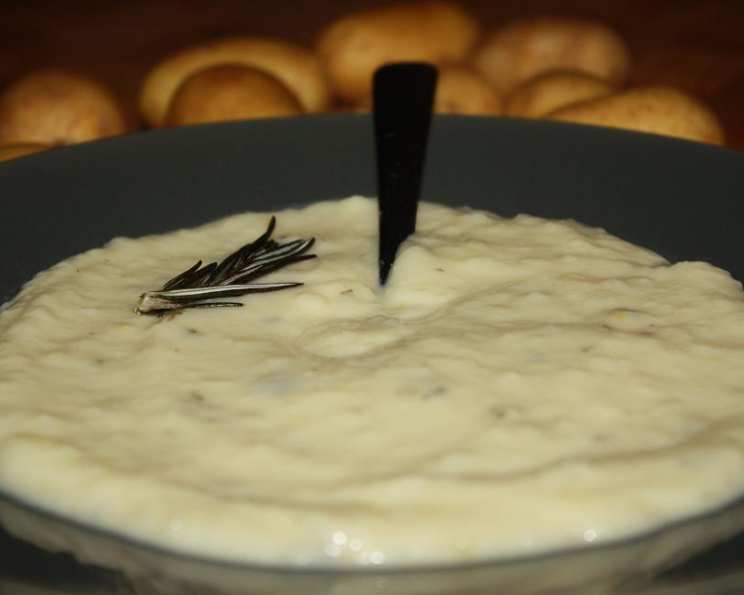
Amazing Herbed Potato Soup: A Culinary Embrace
The aroma of simmering potatoes and fragrant herbs… it instantly transports me back to my grandmother’s cozy kitchen. I remember being a small child, perched on a stool, watching her stir a pot of potato soup on a blustery winter day. The warmth of the kitchen, the gentle bubbling of the soup, and the promise of a comforting meal created a sense of security and love that I still cherish. This recipe, though not my grandmother’s exact version, evokes those same feelings – a simple yet profound reminder of home and hearth.
Recipe Overview
- Prep Time: 15 minutes
- Cook Time: 30 minutes
- Total Time: 45 minutes
- Servings: 5
- Dietary Type: Vegetarian (easily adaptable to Vegan and Gluten-Free)
Ingredients
- 2 medium potatoes, peeled and diced
- 2 cups water
- 1 large onion, chopped
- 1/4 cup butter, cubed
- 1/4 cup all-purpose flour
- 1 teaspoon salt
- 1/2 teaspoon dried thyme
- 1/4 teaspoon dried rosemary, crushed (optional)
- 1/4 teaspoon ground pepper
- 1 1/2 cups milk
Optional Ingredients:
- 1 chicken breast, cut and cooked
- 1/2 head cauliflower or 1/4 head cauliflower, cut into florets
- 1/2 head broccoli or 1/4 head broccoli, cut into florets
- 1/2 cup cheese (more or less)
Equipment Needed
- Large saucepan
- Another saucepan (medium-sized)
- Measuring cups and spoons
- Knife
- Cutting board
- Stirring spoon or whisk
Instructions
- Begin by bringing the water to a rolling boil in your large saucepan. This initial high heat will ensure that the potatoes cook evenly and reach the desired tenderness.
- Add the diced potatoes to the boiling water. Reduce the heat to medium, allowing the potatoes to cook gently until they are easily pierced with a fork. This typically takes about 15-20 minutes.
Note: For added convenience and flavor, you can incorporate your optional ingredients, such as cooked chicken or cauliflower florets, directly into the potato pot during the cooking process. This allows the flavors to meld seamlessly. Remember to adjust cooking times accordingly, ensuring that any additions are heated through without becoming overcooked. - Crucially, resist the urge to drain the potato mixture after cooking! The starchy cooking water is the secret to a creamy, flavorful base for your soup. Set the potato mixture aside for now.
- While the potatoes are simmering, shift your focus to the second saucepan. Place it over medium heat and add the cubed butter. Allow the butter to melt completely, creating a luscious foundation for the aromatic base of your soup.
- Introduce the chopped onion to the melted butter. Sauté the onion, stirring frequently, until it becomes tender and translucent. This process, which takes approximately 5-7 minutes, is vital for developing the onion’s sweetness and depth of flavor. You’ll know it’s ready when the onions take on a slight glaze and emit a sweet, enticing aroma.
- Now comes the critical step of creating a roux. Sprinkle the all-purpose flour over the sautéed onions. Stir continuously for about 1-2 minutes, ensuring that the flour is fully incorporated and cooked through. This process eliminates any raw flour taste and helps to thicken the soup beautifully.
- Season the roux with salt, dried thyme, ground pepper, and, if desired, crushed dried rosemary. Stir well to distribute the herbs evenly throughout the mixture. The rosemary adds a delightful earthy note, but feel free to omit it if you prefer a simpler flavor profile.
- Gradually pour in the milk, whisking constantly to prevent any lumps from forming. This step requires patience and attention to detail. Add the milk in a slow, steady stream, ensuring that it is fully incorporated into the roux before adding more.
- Bring the milk mixture to a gentle boil, continuing to stir constantly. This step will thicken the soup to your desired consistency. If you like, add the cheese for a richer, creamier flavor.
- Cook and stir the soup for an additional 2 minutes, allowing the flavors to meld and the cheese to melt completely.
- Finally, add the cooked potatoes (along with their precious cooking liquid) to the saucepan. If you’ve opted for any additional ingredients (cooked chicken, cauliflower, or broccoli), incorporate them at this stage as well.
- Heat the soup through, stirring gently to ensure that everything is evenly distributed and warmed. Be careful not to overcook the vegetables, as they can become mushy. The goal is to create a harmonious blend of flavors and textures, a comforting and satisfying soup that warms you from the inside out.
Expert Tips & Tricks
- Enhance the Herb Profile: For a more vibrant herbal flavor, consider adding a tablespoon of fresh, chopped herbs like parsley, chives, or dill at the very end of the cooking process.
- Achieve Ultimate Creaminess: For an extra-smooth and luxurious texture, use an immersion blender to partially blend the soup. Leave some chunks for visual appeal and textural interest.
- Make Ahead Magic: This soup can be made a day or two in advance. The flavors actually deepen and meld over time. Store it in an airtight container in the refrigerator.
- Don’t Overcook the Potatoes: Keep a close watch on the potatoes as they cook. Overcooked potatoes will become mushy and can make the soup gummy.
- Substitute with Confidence: Don’t be afraid to experiment with different types of potatoes! Yukon Gold potatoes will lend a naturally buttery flavor, while red potatoes will add a slightly waxy texture.
Serving & Storage Suggestions
Serve your Herbed Potato Soup hot, garnished with a sprinkle of fresh herbs, a dollop of sour cream or plain Greek yogurt (if not vegan), or a drizzle of olive oil. Crusty bread or grilled cheese sandwiches make excellent accompaniments.
Storage:
- Room Temperature: Do not leave the soup at room temperature for more than 2 hours.
- Refrigerator: Store leftover soup in an airtight container in the refrigerator for up to 3-4 days.
- Freezer: For longer storage, freeze the soup in freezer-safe containers for up to 2-3 months.
Reheat the soup gently on the stovetop over medium heat, stirring occasionally, or in the microwave until heated through. If frozen, thaw overnight in the refrigerator before reheating.
Nutritional Information
| Nutrient | Amount per Serving | % Daily Value |
|---|---|---|
| Calories | 352.2 kcal | N/A |
| Calories from Fat | 160 g | 45% |
| Total Fat | 17.8 g | 27% |
| Saturated Fat | 10.1 g | 50% |
| Cholesterol | 60.4 mg | 20% |
| Sodium | 739.2 mg | 30% |
| Total Carbohydrate | 34.3 g | 11% |
| Dietary Fiber | 5.6 g | 22% |
| Sugars | 4.4 g | 17% |
| Protein | 16.3 g | 32% |
Note: Nutritional information is an estimate and may vary based on specific ingredients and serving sizes.
Variations & Substitutions
- Vegan Delight: Substitute the butter with a plant-based butter alternative or olive oil. Use your favorite plant-based milk (almond, soy, or oat milk work well). Omit the cheese or use a vegan cheese alternative.
- Gluten-Free Goodness: Ensure that you use a gluten-free all-purpose flour blend for the roux.
- Cheesy Indulgence: Experiment with different types of cheese, such as cheddar, Gruyere, or Parmesan. Add the cheese gradually, tasting as you go, to achieve your desired level of cheesiness.
- Spicy Kick: Add a pinch of red pepper flakes or a dash of hot sauce for a touch of heat.
- Seasonal Twist: In the fall, add roasted butternut squash or pumpkin puree for a warm, autumnal flavor.
FAQs (Frequently Asked Questions)
Q: Can I use broth instead of water?
A: Absolutely! Using chicken or vegetable broth will add an extra layer of flavor to the soup. Just be mindful of the sodium content, and adjust the salt accordingly.
Q: How can I make this soup thicker?
A: If you prefer a thicker soup, you can add a cornstarch slurry (1 tablespoon of cornstarch mixed with 2 tablespoons of cold water) to the soup during the last few minutes of cooking. Alternatively, you can blend a portion of the soup with an immersion blender.
Q: Can I add other vegetables to this soup?
A: Of course! Feel free to experiment with other vegetables, such as carrots, celery, leeks, or spinach. Just adjust the cooking times accordingly.
Q: Can I use dried herbs instead of fresh?
A: Yes, dried herbs can be used in place of fresh herbs. However, keep in mind that dried herbs are more potent than fresh herbs, so you’ll need to use less. As a general rule, use about 1 teaspoon of dried herbs for every tablespoon of fresh herbs.
Q: How do I prevent the milk from curdling in the soup?
A: To prevent the milk from curdling, make sure to heat the soup gently over medium heat and stir it frequently. Avoid boiling the soup after the milk has been added.
Final Thoughts
I truly hope this recipe brings as much comfort and joy to your table as it has to mine. Whether you’re seeking a simple weeknight meal or a nostalgic taste of home, this Herbed Potato Soup is sure to satisfy. Don’t hesitate to experiment with different variations and substitutions to create your own signature version. And most importantly, share it with those you love! This recipe is a blank canvas for your culinary creativity, so have fun and enjoy the process. I’d love to hear your feedback and see your creations! So grab your apron, gather your ingredients, and get ready to experience the magic of homemade potato soup. Perhaps pair it with a crisp salad and a glass of dry white wine for a truly memorable meal. Bon appétit!