
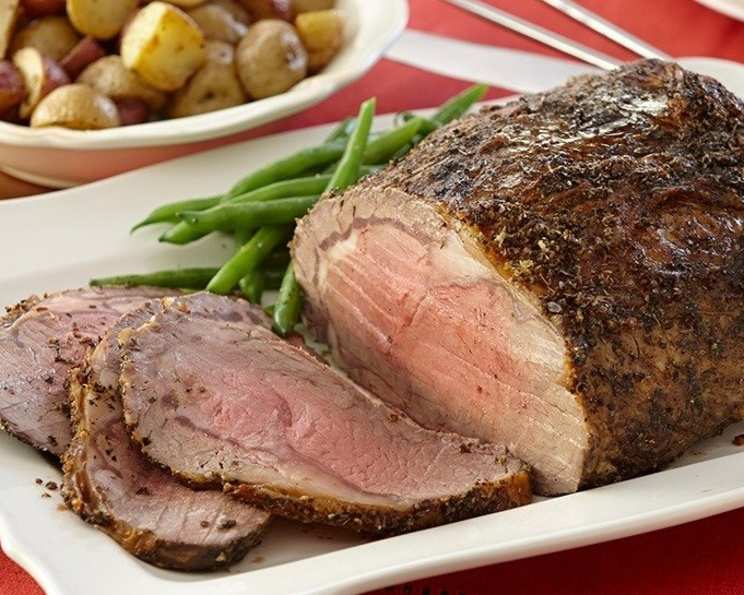
Herbed Prime Rib: A Chef’s Guide to a Perfect Roast
The aroma still lingers in my mind: Christmas Eve at my grandmother’s house. The star of the show, year after year, was her magnificent prime rib, infused with the most intoxicating blend of herbs. The anticipation would build as the scent wafted through the house, a promise of tender, juicy perfection that always delivered. To this day, that memory fuels my passion for creating a prime rib that not only tastes amazing but also evokes the same warmth and joy.
Recipe Overview
- Prep Time: 10 minutes
- Cook Time: 1 hour 45 minutes to 2 hours 45 minutes (depending on desired doneness)
- Total Time: 2 hours to 3 hours (including resting time)
- Servings: 12-16
- Dietary Type: Gluten-Free, Dairy-Free
Ingredients
- 2 tablespoons McCormick® Basil Leaves
- 2 tablespoons McCormick® Oregano Leaves
- 1 tablespoon McCormick® Garlic Powder
- 2 teaspoons McCormick® Onion Powder
- 1 teaspoon McCormick® Black Pepper, Ground
- 1 boneless beef rib roast, 5 to 6 pounds
- 2 tablespoons oil (vegetable, olive, or canola)
- 1 teaspoon salt
Equipment Needed
- Small bowl
- Shallow roasting pan
- Roasting rack
- Meat thermometer
Instructions
-
Preheat your oven to 350°F (175°C). This moderate temperature ensures even cooking and a beautiful crust.
-
In a small bowl, combine the basil leaves, oregano leaves, garlic powder, onion powder, and black pepper. This is your flavorful herb rub that will transform the prime rib. Mix well to ensure even distribution of the spices.
-
Prepare the beef. Trim any excess fat from the top of the beef rib roast, leaving a layer of fat about 1/4-inch thick. This layer of fat will render during cooking, basting the roast and adding incredible flavor and moisture. Don’t remove all the fat – it’s crucial for a juicy result.
-
Place the roast on a rack in a shallow roasting pan. Using a rack ensures that the hot air circulates evenly around the roast, preventing the bottom from becoming soggy.
-
Brush the beef generously with oil. The oil helps the herb rub adhere to the roast and also promotes browning.
-
Sprinkle the roast evenly with salt. Salt is crucial for seasoning the meat and drawing out its natural flavors.
-
Coat the entire roast thoroughly with the seasoning mixture, pressing it gently onto the surface to ensure it sticks.
-
Roast, uncovered, until the internal temperature reaches your desired level of doneness. For medium-rare, aim for 130°F (54°C), which will take approximately 1 3/4 to 2 1/4 hours. For medium, aim for 140°F (60°C), which will take approximately 2 1/4 to 2 3/4 hours. Use a reliable meat thermometer inserted into the thickest part of the roast to check the temperature. Avoid poking the roast repeatedly, as this will release valuable juices.
-
Once the roast reaches the desired internal temperature, remove it from the oven and cover it loosely with foil. Let it stand for 15 minutes before carving. This resting period is crucial, as it allows the juices to redistribute throughout the meat, resulting in a more tender and flavorful roast. The temperature of the meat will rise about 10 degrees during standing, so factor that in when deciding when to pull it from the oven.
Expert Tips & Tricks
-
Reverse Sear: For an even more impressive crust, try the reverse sear method. Cook the roast at a lower temperature (around 250°F/120°C) until it reaches about 10 degrees below your desired final temperature. Then, crank up the oven to 500°F (260°C) for the last 10-15 minutes to develop a beautiful, dark crust. Watch it carefully to avoid burning!
-
Dry Brining: For enhanced flavor and moisture, dry brine the roast for 24-48 hours before cooking. Simply rub it generously with salt and place it uncovered in the refrigerator.
-
Garlic Infusion: Insert slivers of garlic into small slits in the roast for an extra burst of garlicky flavor.
-
Herb Butter: Mix the herb rub with softened butter and rub it all over the roast for a richer, more flavorful crust.
-
Don’t Overcook: The key to a perfect prime rib is not to overcook it. Use a reliable meat thermometer and aim for the lower end of the temperature range for your desired doneness.
Serving & Storage Suggestions
Serve the herbed prime rib immediately after carving. Accompany it with classic sides like mashed potatoes, roasted vegetables (asparagus, Brussels sprouts, or carrots are excellent choices), Yorkshire pudding, and au jus. A horseradish cream sauce also complements the richness of the beef beautifully.
Leftovers can be stored in an airtight container in the refrigerator for up to 3-4 days. For longer storage, freeze sliced prime rib in freezer bags for up to 2-3 months. To reheat, thaw overnight in the refrigerator and gently warm in a low oven (around 250°F/120°C) or in a skillet with a little beef broth to prevent drying out. Avoid microwaving, as it can make the meat tough.
Nutritional Information
| Nutrient | Amount per Serving | % Daily Value |
|---|---|---|
| Calories | 350 kcal | 18% |
| Total Fat | 25g | 38% |
| Saturated Fat | 10g | 50% |
| Cholesterol | 120mg | 40% |
| Sodium | 300mg | 13% |
| Total Carbohydrate | 1g | 0% |
| Dietary Fiber | 0g | 0% |
| Sugars | 0g | 0% |
| Protein | 30g | 60% |
Note: Nutritional information is an estimate and may vary based on specific ingredients and portion sizes.
Variations & Substitutions
-
Different Herbs: Feel free to experiment with different herbs based on your preferences. Rosemary, thyme, and sage are all excellent choices.
-
Spicy Kick: Add a pinch of red pepper flakes or a dash of cayenne pepper to the herb rub for a touch of heat.
-
Wine Infusion: Marinate the roast in red wine for a few hours before cooking for added depth of flavor.
-
Bone-In Roast: Use a bone-in rib roast instead of a boneless one for even more flavor. The bones add richness to the cooking process.
-
Garlic Paste: Substitute fresh garlic paste for garlic powder for a more intense garlic flavor.
FAQs (Frequently Asked Questions)
Q: How do I prevent my prime rib from drying out?
A: Don’t overcook it! Use a meat thermometer to ensure you reach the desired internal temperature. Also, leaving a layer of fat on the roast will help keep it moist.
Q: Can I prepare the herb rub ahead of time?
A: Absolutely! The herb rub can be mixed several days in advance and stored in an airtight container.
Q: What’s the best way to carve a prime rib?
A: Use a sharp carving knife and slice against the grain for the most tender results.
Q: How do I make au jus?
A: While the roast is resting, deglaze the roasting pan with beef broth or red wine. Simmer over medium heat, scraping up any browned bits from the bottom of the pan. Strain the sauce and serve with the prime rib.
Q: What if my prime rib is cooked too rare?
A: If the prime rib is undercooked, you can return it to the oven for a few more minutes until it reaches the desired temperature. Monitor it closely to avoid overcooking.
Final Thoughts
Creating a show-stopping herbed prime rib might seem intimidating, but with a little patience and these helpful tips, you can impress your family and friends with a truly unforgettable meal. Don’t be afraid to experiment with different herbs and flavors to create your own signature rub. And most importantly, enjoy the process! There’s nothing quite like the satisfaction of presenting a perfectly cooked prime rib to a table full of eager diners. So, gather your ingredients, preheat your oven, and get ready to experience the joy of roasting a magnificent piece of beef. I’d love to hear how it turns out! Consider pairing it with a bold Cabernet Sauvignon for the ultimate dining experience.