
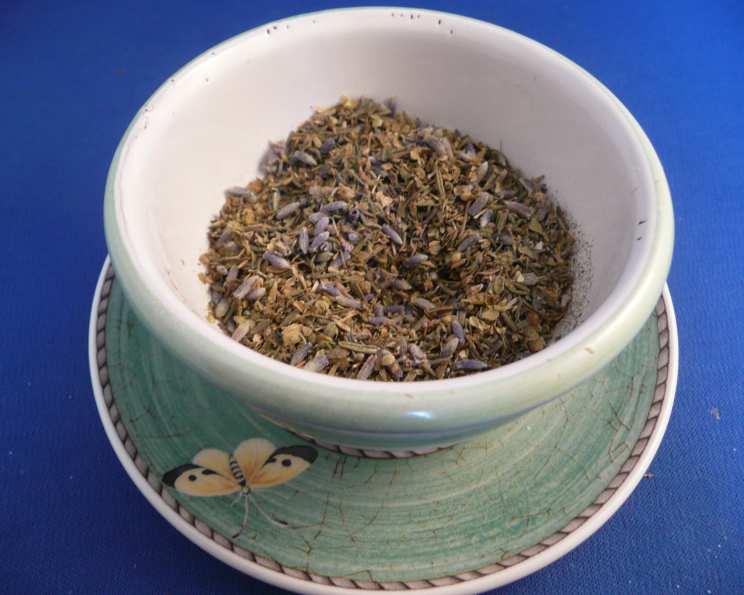
Crafting Your Own Herbes de Provence: A Chef’s Guide
The scent of Herbes de Provence always takes me back to my first culinary apprenticeship in the south of France. I remember wandering through sun-drenched markets, the air thick with the aroma of lavender, thyme, and rosemary. It wasn’t just about the food; it was about the landscape, the culture, the very essence of Provence captured in a simple blend of herbs. Bringing that little piece of culinary sunshine into my own kitchen has become a treasured tradition.
Recipe Overview
- Prep Time: 5 minutes
- Cook Time: 0 minutes (no cooking required)
- Total Time: 5 minutes
- Yield: 3/4 cup
- Dietary Type: Vegan, Gluten-Free, Paleo, Keto
Ingredients
- 3 tablespoons oregano leaves, dried and coarsely crumbled
- 3 tablespoons thyme leaves, dried and coarsely crumbled
- 1 teaspoon basil leaves, dried and coarsely crumbled
- 1 teaspoon sage leaf, dried and coarsely crumbled
- 3 tablespoons savory, dried and coarsely crumbled
- 2 tablespoons lavender flowers, dried
- 1 teaspoon rosemary, dried and coarsely crumbled
Equipment Needed
- Mixing bowl
- Measuring spoons
- Airtight jars for storage
Instructions
- In a mixing bowl, combine the oregano leaves, thyme leaves, basil leaves, sage leaf, and savory.
- Add the lavender flowers and rosemary to the bowl.
- Mix all the ingredients together thoroughly until well combined. Ensure the herbs are evenly distributed.
- Store the Herbes de Provence mixture in small airtight jars in a dark, cool location to preserve its flavor and aroma.
Expert Tips & Tricks
- Herb Quality Matters: Use high-quality dried herbs for the best flavor. Look for vibrant colors and potent aromas. Older, dull herbs will lack the intensity you’re after.
- Adjusting the Blend: This recipe is a great starting point, but don’t be afraid to experiment! If you prefer a more prominent lavender flavor, add a bit more. If you’re not a fan of sage, reduce the amount or leave it out entirely. The goal is to create a blend that perfectly suits your palate.
- Coarsely Crumble: Avoid using finely ground herbs. The coarser texture allows the flavors to develop more fully during cooking. If your herbs are too fine, they can become bitter.
- Toast for Depth: For an extra layer of flavor, lightly toast the dried herbs in a dry skillet over medium heat for a minute or two before combining them. Be careful not to burn them! This step releases their essential oils and intensifies their aroma.
- Adding Heat: For a spicy kick, incorporate a pinch of dried red pepper flakes or a finely chopped dried chili. Start with a small amount and adjust to your liking. A milder chili like ancho adds flavor, while a Thai bird chili will bring some significant heat.
- The Lavender Question: Some people find lavender to be overpowering. If you’re unsure, start with a smaller amount (1 tablespoon) and adjust to taste. Culinary lavender is different from the lavender used in perfumes and soaps, so be sure to use a culinary-grade variety.
- Make it Ahead: This herb blend can be made well in advance and stored for several months in an airtight container. This makes it a convenient addition to your pantry.
- Infuse Oils: Add a tablespoon or two of Herbes de Provence to a bottle of olive oil for an infused oil perfect for drizzling over salads, vegetables, or grilled meats.
- Revive Dried Herbs: If your dried herbs seem a little lackluster, try “waking them up” by rubbing them between your palms before adding them to the mixture. This releases their essential oils.
Serving & Storage Suggestions
Herbes de Provence is incredibly versatile. Use it to season roasted chicken, grilled fish, vegetables, or soups. Sprinkle it on pizza, add it to bread dough, or mix it into dips and sauces. It’s particularly delicious with Mediterranean-inspired dishes.
Store your Herbes de Provence in an airtight container in a cool, dark place. Properly stored, it will retain its flavor for up to 6-12 months. Avoid storing it near heat or light, as these can degrade the herbs and diminish their potency. There’s no real need to refrigerate, nor freeze.
Nutritional Information
| Nutrient | Amount per Serving (approx. 1 tsp) | % Daily Value* |
|---|---|---|
| Calories | 7 kcal | <1% |
| Total Fat | 0.2g | <1% |
| Saturated Fat | 0.1g | <1% |
| Cholesterol | 0mg | 0% |
| Sodium | 0.1mg | <1% |
| Total Carbohydrate | 1.5g | <1% |
| Dietary Fiber | 1g | 4% |
| Sugars | 0g | 0% |
| Protein | 0.2g | <1% |
*Percent Daily Values are based on a 2,000 calorie diet. Your daily values may be higher or lower depending on your calorie needs. *Note: this is only an estimate since the quantity used at any time is very small.*
Variations & Substitutions
- Salt-Free Version: Omit any added salt to create a salt-free blend. This is perfect for those watching their sodium intake.
- Lemon Zest: Add 1 teaspoon of dried lemon zest for a brighter, more citrusy flavor.
- Fennel Seeds: Incorporate 1/2 teaspoon of crushed fennel seeds for a subtle anise flavor.
- Marjoram: Substitute some of the oregano with marjoram for a slightly sweeter, more delicate flavor.
- Spicy Herbes de Provence: Add 1/4 to 1/2 teaspoon of red pepper flakes for a kick of heat.
- Regional Variations: In some regions, dried orange peel is added to the blend. Experiment with adding a small amount to see if you enjoy the flavor.
FAQs (Frequently Asked Questions)
Q: What is Herbes de Provence typically used for?
A: Herbes de Provence is a versatile herb blend used to season a wide variety of dishes, including roasted meats, vegetables, soups, stews, and sauces, adding a distinctive Mediterranean flavor.
Q: Can I use fresh herbs instead of dried ones?
A: While you can use fresh herbs, the flavor will be much more intense, and the proportions will need to be adjusted significantly. Dried herbs are more concentrated, so a little goes a long way. If using fresh, you’ll need about three times the amount specified in the recipe. Remember to store any unused fresh herb mix in the refrigerator.
Q: How long does Herbes de Provence last?
A: When stored properly in an airtight container in a cool, dark place, Herbes de Provence will retain its flavor for approximately 6-12 months. After that, the herbs may start to lose their potency.
Q: Can I make a larger batch of this recipe?
A: Absolutely! Simply scale up the ingredient quantities proportionally to make a larger batch. This is a great way to ensure you always have some on hand.
Q: Is culinary lavender safe to eat?
A: Yes, culinary lavender is safe to eat in moderation. However, it’s essential to use culinary-grade lavender, as other types may contain chemicals or pesticides. Start with a small amount and adjust to taste, as lavender can be overpowering.
Final Thoughts
Creating your own Herbes de Provence is a wonderful way to personalize your cooking and bring a taste of the French countryside to your table. This blend is incredibly versatile, so don’t be afraid to experiment and discover your favorite uses for it. I hope you will try this recipe; your kitchen and taste buds will thank you! I would love to know how yours turns out, and what you will be pairing it with. Enjoy!