
Sizzling Hibachi Noodles with Mushrooms & Zucchini
The aroma of garlic sizzling in butter always takes me back to my childhood. My family didn’t go out for fancy dinners often, but when we did, hibachi was always the top choice. The mesmerizing performance of the chef, the clanging of spatulas, and that unmistakable, savory-sweet scent of noodles dancing on the hot grill – it was pure magic. Even better, the taste was phenomenal! This recipe captures the essence of that hibachi experience, bringing those vibrant flavors and textures right into your kitchen.
Recipe Overview
- Prep Time: 15 minutes
- Cook Time: 20 minutes
- Total Time: 35 minutes
- Servings: 6
- Dietary Type: Vegetarian
Ingredients
- 12 ounces udon noodles or chow mein noodles
- 4 tablespoons olive oil
- 4 tablespoons butter
- 2 cloves garlic, minced
- 1 tablespoon basil paste (or 2 tablespoons dried basil)
- 1 1/2 lbs mushrooms, prewashed & sliced
- 2 zucchini, sliced and chopped
- 1 tablespoon Cavender’s all purpose Greek seasoning
- 4 tablespoons soy sauce
- 2 tablespoons Worcestershire sauce
Sauce:
- 1/3 cup soy sauce
- 1/3 cup Thai ginger broth
- 1 1/2 tablespoons brown sugar
Equipment Needed
- Large pot
- Large skillet or wok
- Whisk
Instructions
- Bring a large pot of water to a boil. Add the udon noodles or chow mein noodles and cook for 8 minutes, or until tender. Be sure to check the package instructions for exact cooking times, as they may vary depending on the brand.
- Once the noodles are cooked, immediately drain them and rinse them thoroughly with cold water several times. This stops the cooking process and prevents the noodles from sticking together. Let the noodles sit in cold water until you’re ready to sauté them.
- In a large skillet or wok, heat the olive oil and butter over medium heat. Once the butter is melted, add the minced garlic and basil paste (or dried basil). Sauté for about 2 minutes, until the garlic is fragrant but not browned. Watch closely to prevent the garlic from burning, which can impart a bitter taste.
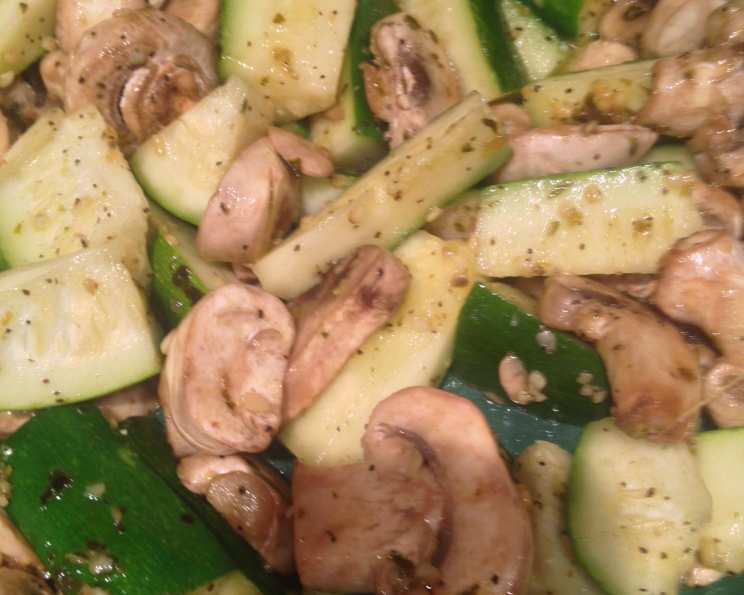
- Add the sliced mushrooms and chopped zucchini to the skillet. Drizzle them with 4 tablespoons of soy sauce, Worcestershire sauce, and Cavender’s all-purpose Greek seasoning.
- Sauté the vegetables for about 6 minutes, or until they reach your desired tenderness. Stir frequently to ensure even cooking. The mushrooms should be nicely browned and the zucchini slightly softened but still have a bit of bite.
- In a small bowl, prepare the sauce. Combine the 1/3 cup soy sauce, 1/3 cup Thai ginger broth, and 1 1/2 tablespoons of brown sugar. Whisk together until the brown sugar is completely dissolved. Taste and adjust sweetness as needed.
- Drain the noodles well and add them to the skillet with the sautéed vegetables. Pour the sauce over the noodles and vegetables.
- Stir everything together until the noodles are evenly coated with the sauce and heated through. Continue cooking for another 2-3 minutes, stirring constantly, until the sauce has slightly thickened and the noodles are glistening.
Expert Tips & Tricks
- Noodle Perfection: Don’t overcook your noodles! Soggy noodles are a no-go. Aim for al dente texture, so they have a slight chew. Rinsing the noodles thoroughly after cooking is crucial to prevent them from sticking together.
- Mushroom Magic: For deeper flavor, try browning the mushrooms separately before adding the other ingredients. This allows them to develop a richer, more umami taste.
- Veggie Variety: Feel free to experiment with other vegetables! Bell peppers, onions, carrots, or broccoli would all be delicious additions.
- Spice It Up: If you like a little heat, add a pinch of red pepper flakes or a dash of sriracha to the sauce.
- Basil Boost: Fresh basil is always best! If using dried basil, add it early in the cooking process to allow the flavors to meld. Basil paste is a convenient option for adding a burst of fresh basil flavor.
Serving & Storage Suggestions
Serve your hibachi noodles hot, straight from the skillet. Garnish with a sprinkle of sesame seeds and chopped green onions for an extra touch of flavor and visual appeal.
Leftovers can be stored in an airtight container in the refrigerator for up to 3 days. To reheat, simply microwave until heated through, or sauté in a skillet with a little bit of oil until warmed. You may need to add a splash of water or broth to prevent the noodles from drying out during reheating. These noodles are best enjoyed fresh, as the texture can change slightly upon refrigeration.
Nutritional Information
| Nutrient | Amount per Serving | % Daily Value |
|---|---|---|
| Calories | 424.1 kcal | N/A |
| Calories from Fat | 160 g | 38% |
| Total Fat | 17.8 g | 27% |
| Saturated Fat | 6.3 g | 31% |
| Cholesterol | 20.4 mg | 6% |
| Sodium | 2781.4 mg | 115% |
| Total Carbohydrate | 54.8 g | 18% |
| Dietary Fiber | 4.7 g | 18% |
| Sugars | 8.3 g | 33% |
| Protein | 13.9 g | 27% |
Note: Nutritional information is an estimate and may vary based on specific ingredients and preparation methods.
Variations & Substitutions
- Gluten-Free: Use gluten-free noodles, such as rice noodles or soba noodles, and tamari instead of soy sauce.
- Vegan: Ensure the Worcestershire sauce is vegan-friendly (some brands contain anchovies) or substitute with a vegan Worcestershire sauce alternative. Use a vegan butter substitute.
- Protein Boost: Add cooked shrimp, chicken, steak, or tofu to the skillet along with the vegetables for a more substantial meal.
- Vegetable Medley: Experiment with different vegetable combinations based on your preferences and what’s in season.
- Spicy Kick: Incorporate a finely chopped chili pepper or a drizzle of chili oil for those who enjoy a bit of heat.
FAQs (Frequently Asked Questions)
Q: Can I use dried basil instead of basil paste?
A: Yes, you can! Use 2 tablespoons of dried basil instead of 1 tablespoon of basil paste. Add it to the skillet along with the garlic to allow the flavors to bloom.
Q: What if I can’t find Thai ginger broth?
A: If you can’t find Thai ginger broth, you can substitute it with chicken broth or vegetable broth with a small amount of grated ginger added for flavor.
Q: Can I make this dish ahead of time?
A: While it’s best enjoyed fresh, you can prepare the sauce and chop the vegetables ahead of time to save time during cooking. Store them separately in the refrigerator until ready to use.
Q: How do I prevent the noodles from sticking together?
A: Rinsing the noodles thoroughly with cold water after cooking is essential to remove excess starch and prevent them from sticking. You can also toss them with a little bit of oil after draining.
Q: Can I freeze the leftovers?
A: Freezing is not recommended as the noodles can become mushy upon thawing. It’s best to enjoy the leftovers within 3 days of cooking.
Final Thoughts
This Hibachi Noodles with Mushrooms & Zucchini recipe is a fantastic way to bring the excitement and delicious flavors of a hibachi grill right into your home. It’s quick, easy, and endlessly customizable, making it a perfect weeknight meal. Don’t be afraid to experiment with different vegetables, proteins, and sauces to create your own signature dish. Share your creations and feedback – I’d love to hear how you make this recipe your own! Consider pairing it with a crisp cucumber salad or a refreshing glass of iced green tea for a complete and satisfying meal. Happy cooking!