
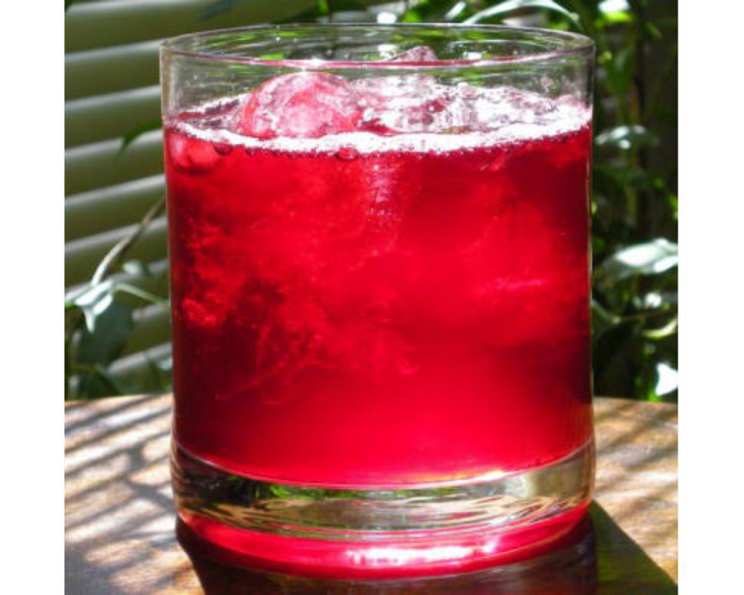
Hibiscus Tea: A Refreshing Culinary Journey
The memory still warms me – a sun-drenched afternoon in Oaxaca, the air thick with the scent of spices and roasting chiles. I wandered into a small market, a kaleidoscope of colors and sounds, and there it was: a vibrant crimson drink being ladled into tall glasses filled with ice. The vendor smiled, offering me a taste. It was tart, slightly sweet, and incredibly refreshing – the perfect antidote to the Mexican heat. That first sip of agua de Jamaica sparked a lifelong love affair with hibiscus tea. Now, I’m excited to share my take on this vibrant and versatile beverage.
Recipe Overview:
- Prep Time: 5 minutes
- Cook Time: 4 minutes
- Steep Time: 10 minutes
- Total Time: 19 minutes
- Yields: 3 quarts
- Serves: 12
- Dietary Type: Vegan, Gluten-Free
Ingredients:
- 12 cups water
- ½ inch fresh ginger, finely grated
- 1 ½ cups dried hibiscus flowers (also known as Jamaica flowers or flor de Jamaica)
- 1 cup stevia (adjust to taste) or 1 cup agave syrup (adjust to taste)
- 2 tablespoons lime juice, freshly squeezed (from 1 large lime)
Equipment Needed:
- Large pot
- Chinois or fine-mesh sieve
- Large, heat-resistant bowl or pot
Instructions:
- In a large pot, combine the water and finely grated ginger.
- Bring the mixture to a boil over high heat. This usually takes about 4 minutes.
- Remove the pot from the heat.
- Stir in the dried hibiscus flowers and the stevia (or agave syrup) until the sweetener is completely dissolved. The heat from the water will help this process.
- Let the mixture steep for 10 minutes. This allows the hibiscus flowers to fully infuse their flavor and color into the water.
- Strain the tea through a chinois or fine-mesh sieve into a large, heat-resistant bowl or pot. Be careful as the liquid will still be very hot. To avoid any sediment making its way into the finished tea, don’t pour the very last bit of the brew through the sieve.
- Stir in the freshly squeezed lime juice.
- Set aside to cool completely, then refrigerate until ready to serve. The tea is best served chilled.
Expert Tips & Tricks:
-
Ginger Intensity: The amount of ginger can be adjusted to your preference. If you like a more pronounced ginger flavor, use a full inch. For a milder flavor, stick to the half-inch or even reduce it slightly.
-
Sweetness Control: Start with the recommended amount of stevia or agave, then adjust to your liking. Remember that the flavors will intensify as the tea chills, so it’s best to err on the side of less sweet initially. You can always add more sweetener later.
-
Hibiscus Quality: The quality of the dried hibiscus flowers will impact the final flavor. Look for vibrant, deep-red flowers from a reputable source.
-
Sediment Prevention: As mentioned in the instructions, avoid pouring the very last bit of the steeped mixture through the sieve. This helps to prevent any gritty sediment from ending up in your finished tea. You can also line your sieve with cheesecloth for extra filtration.
-
Flavor Boost: Experiment with adding other flavors during the steeping process. A cinnamon stick, a few cloves, or a star anise can add a warm, spicy note.
-
Concentrate Option: For easier storage and serving, you can make a concentrated version of the tea by using less water during the brewing process. Then, when you’re ready to serve, simply dilute the concentrate with water to your desired strength.
Serving & Storage Suggestions:
Serve the hibiscus tea chilled, over ice. Garnish with a lime wedge or a few fresh mint leaves for an extra touch of freshness.
Leftover hibiscus tea should be stored in an airtight container in the refrigerator. It will keep for up to 5 days.
This tea is best served cold and is not suitable for freezing due to changes in texture and flavor that can occur during the freezing and thawing process.
Nutritional Information:
| Nutrient | Amount per Serving | % Daily Value |
|---|---|---|
| Calories | 65 kcal | 3% |
| Fat | 0g | 0% |
| Saturated Fat | 0g | 0% |
| Cholesterol | 0mg | 0% |
| Sodium | 7mg | 0% |
| Carbohydrates | 17g | 6% |
| Fiber | 0g | 0% |
| Sugars | 17g | 34% |
| Protein | 0g | 0% |
Note: Nutritional information is an estimate and may vary based on specific ingredients and serving sizes.
Variations & Substitutions:
- Sparkling Hibiscus Tea: Add sparkling water or club soda for a fizzy twist.
- Hibiscus Lemonade: Combine the hibiscus tea with fresh lemon juice and a touch of extra sweetener for a refreshing lemonade variation.
- Spiked Hibiscus Tea: For an adult beverage, add a shot of vodka, rum, or tequila to your glass.
- Herbal Infusions: Experiment with adding other herbs, such as lemongrass, mint, or rosemary, during the steeping process.
- Sweetener Alternatives: If you don’t have stevia or agave, you can use honey, maple syrup, or your favorite sweetener. Adjust the amount to taste.
- Spice it Up: Add a pinch of cayenne pepper for a spicy kick.
- Seasonal Variations: In the fall, add a few slices of apple or pear during steeping. In the summer, add some fresh berries.
FAQs (Frequently Asked Questions):
Q: Can I use fresh hibiscus flowers instead of dried?
A: While dried hibiscus flowers are more readily available, you can use fresh flowers if you can find them. Use about twice the amount of fresh flowers as you would dried flowers, and be sure to remove the pistils and stamens.
Q: How long should I steep the hibiscus flowers?
A: We recommend steeping for 10 minutes to extract the most flavor and color. Steeping for longer can result in a more bitter taste.
Q: Can I make this tea ahead of time?
A: Absolutely! This tea can be made up to 5 days in advance and stored in the refrigerator. In fact, the flavors tend to meld together even more over time.
Q: Is hibiscus tea good for you?
A: Hibiscus tea is rich in antioxidants and has been linked to several health benefits, including lowering blood pressure and cholesterol levels. However, it’s always best to consult with your doctor before making any significant changes to your diet, especially if you have any underlying health conditions.
Q: Where can I find dried hibiscus flowers?
A: Look for them in Latin grocery stores, health food stores, or online retailers. They are often labeled as “Jamaica flowers” or “flor de Jamaica.”
Final Thoughts:
I truly hope this hibiscus tea recipe inspires you to experiment with flavors and create your own signature version. Whether you’re sipping it on a hot summer day or serving it at your next gathering, this vibrant and refreshing drink is sure to be a crowd-pleaser. Don’t hesitate to tweak the recipe to suit your personal preferences – a little more ginger, a touch more sweetness, or a sprinkle of spice can all make a world of difference. Let me know in the comments how your hibiscus tea turned out, and what variations you tried! Cheers to happy sipping!