
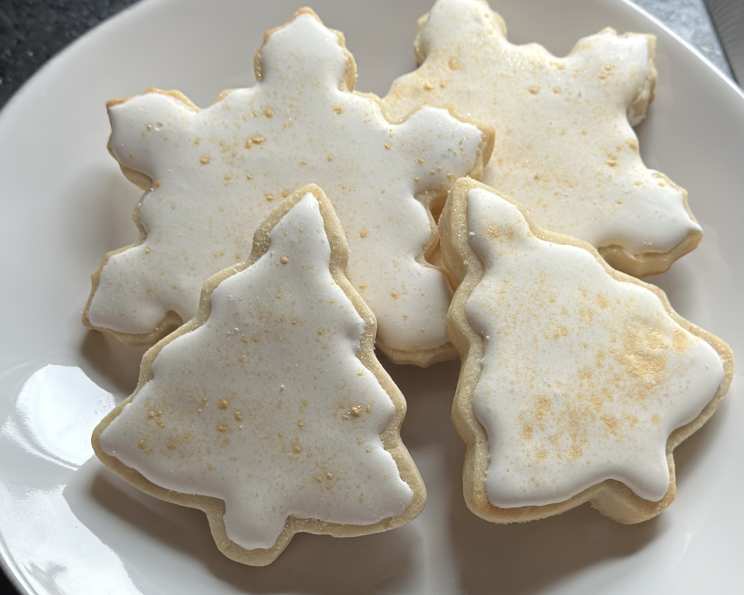
High Altitude Sugar Cutout Cookies: A Taste of Home, Miles Above Sea Level
The holidays weren’t complete in my family without a mountain of sugar cookies, each painstakingly decorated with royal icing and enough sprinkles to make a rainbow jealous. As kids, my cousins and I would gather around the kitchen table, armed with piping bags and a competitive spirit, turning out everything from lopsided snowmen to surprisingly accurate depictions of the family dog. These weren’t just cookies; they were edible memories, a sweet testament to the joy of togetherness. Now, living in Denver, I’ve had to tweak those cherished recipes to conquer the challenges of high-altitude baking, but the love and nostalgia remain.
Recipe Overview
- Prep Time: 30 minutes
- Cook Time: 7-8 minutes
- Total Time: 1 hour 30 minutes (includes chilling time)
- Yields: 3 dozen
- Serves: 36
- Dietary Type: Vegetarian
Ingredients
- 1 cup butter, softened
- 1 cup granulated sugar
- 1 large egg
- 1 1/2 teaspoons vanilla extract
- 3 cups all-purpose flour
- 1 1/4 teaspoons baking powder
Equipment Needed
- Mixer (stand or hand-held)
- Measuring cups and spoons
- Mixing bowls
- Plastic wrap
- Rolling pin
- Waxed paper or parchment paper
- Cookie cutters
- Baking sheets
- Cooling rack
Instructions
- Begin by creaming together the softened butter and granulated sugar in a large mixing bowl. Use a mixer (stand or hand-held) to beat them until the mixture is light and fluffy. This step is crucial for incorporating air into the dough, which will contribute to a tender cookie.
- Next, beat in the egg and vanilla extract until well combined. Make sure to scrape down the sides of the bowl to ensure everything is evenly incorporated.
- In a separate bowl, whisk together the flour and baking powder. This ensures the baking powder is evenly distributed throughout the flour.
- Gradually add the flour mixture to the wet ingredients, mixing on low speed until just combined. Be careful not to overmix, as this can develop the gluten in the flour and result in tough cookies. The dough may appear too dry at first, but it will come together as it chills.
- Divide the dough into four equal parts. Wrap each portion tightly in plastic wrap and refrigerate for at least one hour. This chilling period is essential, especially at high altitude. It allows the gluten to relax, prevents the cookies from spreading too much during baking, and makes the dough easier to handle.
- Preheat your oven to 375°F (190°C).
- On a lightly floured surface, or between two sheets of waxed paper or parchment paper, roll out one portion of the chilled dough at a time. For crispier cookies, roll the dough to about 1/4 inch thickness. If you prefer softer cookies, roll it out to about 1/3 inch thickness. The waxed paper method is especially useful for preventing sticking and making it easier to transfer the cut-out shapes.
- Use your favorite cookie cutters to cut out shapes from the rolled-out dough. Place the cut-out cookies onto ungreased baking sheets, leaving a little space between each cookie.
- Bake for 7-8 minutes, or until the edges are lightly golden. Keep a close eye on the cookies, especially during the last few minutes of baking, as they can burn easily at high altitude.
- Remove the baking sheets from the oven and let the cookies cool on the sheets for a few minutes before transferring them to a wire cooling rack to cool completely.
Expert Tips & Tricks
- High Altitude Adjustment: At high altitudes, leavening agents often need to be reduced to prevent cookies from spreading too thin. However, this recipe already accounts for high altitude conditions. If you are at an extremely high altitude (above 7,000 feet), consider slightly reducing the baking powder by an additional 1/8 teaspoon.
- Butter Temperature: Make sure your butter is properly softened, not melted. It should be soft enough to press a finger into easily but still hold its shape. This ensures it creams properly with the sugar, creating a light and airy texture.
- Rolling the Dough: Rolling the dough between two sheets of waxed paper or parchment paper is a game-changer! It prevents the dough from sticking to the counter and rolling pin, eliminating the need for extra flour that can dry out the cookies.
- Preventing Spreading: Chilling the dough is crucial for preventing the cookies from spreading too much in the oven. If you find your dough is still too soft after an hour, chill it for longer. You can even chill it overnight.
- Even Baking: To ensure even baking, rotate the baking sheets halfway through the baking time. This helps to compensate for any hot spots in your oven.
- Make-Ahead Tip: The dough can be made ahead of time and stored in the refrigerator for up to 3 days. Just be sure to wrap it tightly in plastic wrap to prevent it from drying out. You can also freeze the dough for up to 2 months. Thaw it in the refrigerator overnight before rolling and cutting.
- Troubleshooting Dry Dough: If your dough seems too dry after adding the flour, don’t panic! It will come together as it chills. However, if it’s still crumbly after chilling, add a teaspoon of milk or water at a time until it reaches a workable consistency.
Serving & Storage Suggestions
These sugar cookies are delicious on their own or decorated with royal icing, sprinkles, or even a simple dusting of powdered sugar. They make a wonderful addition to holiday cookie platters, gift baskets, or a simple after-dinner treat.
Store the cooled cookies in an airtight container at room temperature. They will stay fresh for up to 5 days. For longer storage, you can freeze the undecorated cookies for up to 2 months. Thaw them at room temperature before decorating.
Nutritional Information
| Nutrient | Amount per Serving | % Daily Value |
|---|---|---|
| Calories | 107.2 kcal | N/A |
| Calories from Fat | N/A | 45% |
| Total Fat | 5.3 g | 8% |
| Saturated Fat | 3.3 g | 16% |
| Cholesterol | 18.7 mg | 6% |
| Sodium | 59.9 mg | 2% |
| Total Carbohydrate | 13.6 g | 4% |
| Dietary Fiber | 0.3 g | 1% |
| Sugars | 5.6 g | 22% |
| Protein | 1.3 g | 2% |
Note: Nutritional information is an estimate and may vary based on specific ingredients and portion sizes.
Variations & Substitutions
- Gluten-Free: Substitute the all-purpose flour with a gluten-free blend, ensuring it contains xanthan gum or another binder.
- Dairy-Free: Replace the butter with a vegan butter substitute.
- Lemon or Orange Zest: Add 1-2 teaspoons of lemon or orange zest to the dough for a citrusy twist.
- Almond Extract: Substitute the vanilla extract with almond extract for a different flavor profile.
- Chocolate Chip: Add 1/2 cup of mini chocolate chips to the dough for chocolate chip sugar cookies.
- Spiced Sugar Cookies: Add 1 teaspoon of cinnamon, 1/2 teaspoon of nutmeg, and 1/4 teaspoon of cloves to the dough for a warm, spiced flavor.
FAQs (Frequently Asked Questions)
Q: Why are my cookies spreading too much during baking?
A: The most common reason for spreading is that the dough is too warm. Make sure to chill the dough for at least an hour before rolling and cutting. Also, avoid overmixing the dough, as this can develop the gluten and cause the cookies to spread.
Q: Can I freeze the baked cookies?
A: Yes, you can freeze the baked, undecorated cookies for up to 2 months. Thaw them at room temperature before decorating.
Q: What if my dough is too sticky to roll out?
A: If your dough is too sticky, add a little extra flour, one tablespoon at a time, until it reaches a workable consistency. Be careful not to add too much flour, as this can make the cookies dry.
Q: How can I prevent the cookies from browning too quickly?
A: If your cookies are browning too quickly, lower the oven temperature by 25 degrees and bake them for a slightly longer time. You can also cover the baking sheet loosely with aluminum foil during the last few minutes of baking.
Q: Can I use a different type of sugar?
A: While granulated sugar is the standard, you can experiment with using a combination of granulated and powdered sugar for a slightly softer cookie. Avoid using brown sugar, as it will change the flavor and texture of the cookies.
Final Thoughts
Whether you’re battling the challenges of high-altitude baking or simply looking for the perfect sugar cookie recipe, I hope this guide helps you create a batch of cookies that are both delicious and memorable. Don’t be afraid to experiment with different flavors, decorations, and techniques to make them your own. And most importantly, share them with loved ones and spread the joy of baking! Let me know how your cookies turn out, and feel free to ask any questions you may have. Happy baking!