
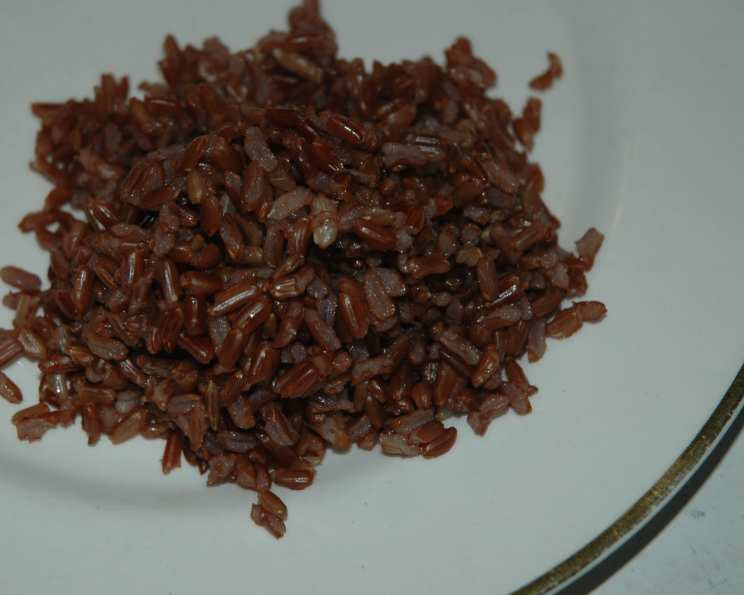
Unlocking Ancient Flavors: A Journey with Himalayan Red Rice
The scent alone transports me back. I remember trekking through the foothills of the Himalayas years ago, the crisp mountain air filled with the earthy aroma of cooking rice. We were guests in a small village, huddled around a crackling fire, as our hosts prepared a simple meal. The star was a unique grain, a deep red rice unlike anything I’d seen before. That first bite – nutty, slightly sweet, and intensely satisfying – ignited a lifelong passion for this incredible staple. It wasn’t just sustenance; it was a taste of the land, a connection to a culture, and a memory forever etched in my culinary soul.
Recipe Overview
- Prep Time: 5 minutes
- Cook Time: 35 minutes
- Total Time: 40 minutes
- Yields: 3 cups cooked rice
- Serves: 3
- Dietary Type: Gluten-Free, Vegan
Ingredients
- 1 cup Himalayan Red Rice, well rinsed
- 2 cups water (or broth)
- 1/2 teaspoon salt
Equipment Needed
- Medium-sized pot with a lid
Instructions
- Combine the well-rinsed Himalayan Red Rice, water (or broth), and salt in a medium-sized pot.
- Bring the mixture to a boil over high heat. Watch closely to prevent it from boiling over.
- Once boiling, stir the rice gently. This helps distribute the heat evenly and prevents sticking.
- Reduce the heat to low, ensuring only a gentle simmer.
- Cover the pot tightly with a lid. It’s essential to maintain the steam for proper cooking.
- Cook for 35 minutes. Resist the urge to lift the lid during this time, as this releases steam and can affect the cooking process.
- After 35 minutes, remove the pot from the heat and let it stand, covered, for 10 minutes. This allows the rice to fully absorb any remaining moisture and complete the cooking process.
- Finally, fluff the rice gently with a fork before serving. This separates the grains and prevents clumping.
Expert Tips & Tricks
- Rinsing is Key: Thoroughly rinsing the Himalayan Red Rice before cooking removes excess starch, resulting in a less sticky and more flavorful final product. Use a fine-mesh sieve and rinse until the water runs clear.
- Broth for Depth: Substituting water with vegetable or chicken broth adds another layer of flavor complexity to the rice. Choose a low-sodium broth to control the salt content.
- Perfect Doneness: The rice is done when all the water has been absorbed, and the grains are tender but still have a slight chewiness. If the rice is still too firm after 35 minutes, add a tablespoon or two of water and cook for a few more minutes.
- Prevent Sticking: A heavy-bottomed pot helps distribute heat evenly and minimizes the risk of the rice sticking to the bottom.
- Aromatic Infusion: For a fragrant twist, add a bay leaf, a sprig of thyme, or a clove of garlic to the pot while cooking. Remember to remove them before serving.
- Don’t Peek! As tempting as it is, avoid lifting the lid during cooking. Each time you lift the lid, you release steam, which can prolong the cooking time and affect the texture of the rice.
Serving & Storage Suggestions
Himalayan Red Rice is a versatile grain that can be served in a variety of ways. It makes an excellent side dish for grilled meats, roasted vegetables, or tofu. Its nutty flavor and slightly chewy texture also make it a perfect addition to salads, pilafs, and grain bowls.
- Serving: Serve hot, garnished with fresh herbs such as parsley, cilantro, or chives. A sprinkle of toasted sesame seeds or a drizzle of olive oil adds a touch of elegance.
- Room Temperature: Cooked Himalayan Red Rice should not be left at room temperature for more than two hours to prevent bacterial growth.
- Refrigeration: Store leftover rice in an airtight container in the refrigerator for up to four days.
- Freezing: For longer storage, freeze the rice in a single layer on a baking sheet until solid, then transfer it to a freezer bag or container. Frozen rice can be stored for up to two months.
- Reheating: Reheat refrigerated rice in the microwave or on the stovetop with a splash of water or broth. Reheat frozen rice in the microwave, adding a tablespoon or two of water to prevent it from drying out.
Nutritional Information
| Nutrient | Amount per Serving | % Daily Value |
|---|---|---|
| Calories | 234 kcal | N/A |
| Calories from Fat | 3 g | 1% |
| Total Fat | 0.4 g | 0% |
| Saturated Fat | 0.1 g | 0% |
| Cholesterol | 0 mg | 0% |
| Sodium | 391.4 mg | 16% |
| Total Carbohydrate | 51.6 g | 17% |
| Dietary Fiber | 0.9 g | 3% |
| Sugars | 0 g | 0% |
| Protein | 4.3 g | 8% |
Note: Nutritional information is an estimate and may vary based on specific ingredients and cooking methods.
Variations & Substitutions
- Spice It Up: Add a pinch of red pepper flakes or a dash of your favorite hot sauce for a spicy kick.
- Coconut Rice: Substitute water with coconut milk for a creamy and fragrant variation.
- Mushroom Medley: Sauté sliced mushrooms with garlic and shallots, then add them to the rice during the last 10 minutes of cooking for an earthy and savory dish.
- Herb Infusion: Experiment with different herbs such as rosemary, oregano, or sage to create unique flavor profiles.
- Sweet and Savory: Add dried cranberries or raisins for a touch of sweetness and a chewy texture. A sprinkle of chopped walnuts or pecans adds a crunchy element.
FAQs (Frequently Asked Questions)
Q: Do I need to soak the Himalayan Red Rice before cooking?
A: Soaking is not necessary but can slightly reduce the cooking time and improve the texture of the rice. If you choose to soak it, soak it in cold water for about 30 minutes before cooking.
Q: Can I cook Himalayan Red Rice in a rice cooker?
A: Yes, you can cook it in a rice cooker. Use the same ratio of rice to water (1 cup rice to 2 cups water) and follow your rice cooker’s instructions.
Q: How can I prevent the rice from sticking to the bottom of the pot?
A: Rinsing the rice thoroughly, using a heavy-bottomed pot, and maintaining a low simmer can help prevent sticking.
Q: What if my rice is still hard after 35 minutes of cooking?
A: Add a tablespoon or two of water to the pot, cover, and cook for a few more minutes until the rice is tender.
Q: Can I use chicken or vegetable bouillon instead of broth?
A: Yes, you can use bouillon. Just be mindful of the salt content and adjust the amount of added salt accordingly.
Final Thoughts
I hope this journey into the world of Himalayan Red Rice has inspired you to try this unique and flavorful grain. Its nutty taste and vibrant color make it a delightful addition to any meal. Don’t be afraid to experiment with different variations and flavor combinations to create your own signature dish. Whether you’re a seasoned chef or a novice cook, this recipe is a simple and satisfying way to explore the rich culinary traditions of the Himalayas. So, gather your ingredients, embrace the process, and savor the exquisite taste of this ancient grain. And please, do let me know how it turns out – I love hearing about your culinary adventures! Perhaps pair it with some grilled salmon and steamed asparagus for a truly delightful and balanced meal.