
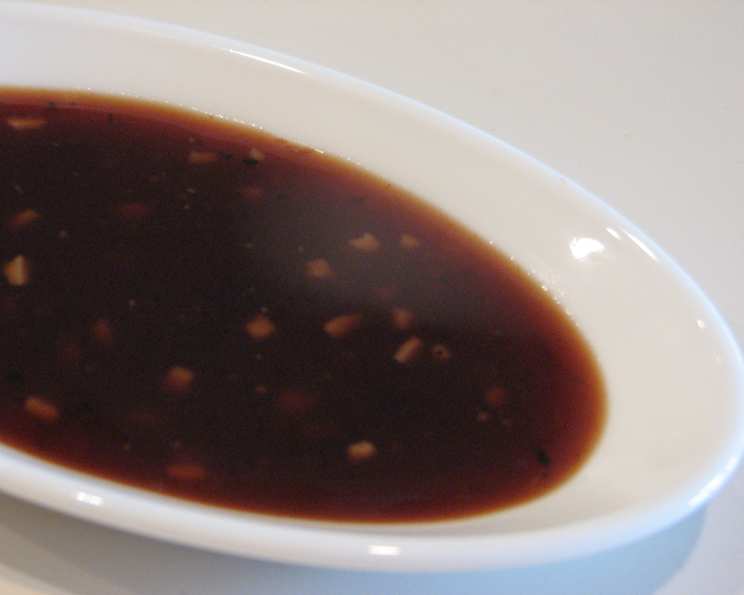
Hoisin Sauce: A Microwave Marvel
I can still remember the afternoon, years ago, I spent huddled over a dog-eared cookbook in my friend Katy’s sunny kitchen. We were both in our experimental phases, hers with pottery, mine decidedly with food. While she sculpted clay, I dove into the depths of her Kenmore microwave cookbook, utterly fascinated. It was a simpler time, a pre-internet age of discovery. Flipping through those pages, I stumbled upon this recipe for hoisin sauce, a condiment I was just beginning to appreciate in my own Chinese cooking adventures. Little did I know it would become a quick and reliable staple, a testament to the magic that could happen even within the confines of a microwave.
Recipe Overview
- Prep Time: 5 minutes
- Cook Time: 4-4.5 minutes
- Total Time: Approximately 10 minutes
- Yields: About 1 3/4 cups
- Dietary Type: Potentially Gluten-Free (see notes in Ingredients)
Ingredients
- 8 ounces beef broth
- 4 ounces soy sauce (Note: use tamari for a gluten-free option)
- 4 ounces dry sherry
- 2 tablespoons arrowroot or 2 tablespoons cornstarch
- 2 tablespoons molasses
- 2 tablespoons tomato paste
- 2 cloves garlic, finely minced
- 1/2 teaspoon ground ginger
- 1/8 teaspoon black pepper
Equipment Needed
- 4-cup glass microwaveable container
- Measuring cups and spoons
- Whisk or spoon
- Plastic wrap
Instructions
- In a 4-cup glass microwaveable container, combine all the ingredients: the beef broth, soy sauce, dry sherry, arrowroot or cornstarch, molasses, tomato paste, finely minced garlic, ground ginger, and black pepper.
- Stir the ingredients together very well until they are fully incorporated. Ensure no clumps of arrowroot or cornstarch remain.
- Cover the container tightly with plastic wrap. Be sure to leave a small vent or opening in the plastic wrap to allow steam to escape. This prevents pressure buildup and potential splattering.
- Microwave on high power for 4 to 4 1/2 minutes. Cooking times can vary depending on your microwave’s wattage, so it’s essential to watch closely.
- Check the sauce’s consistency throughout the cooking process. It should thicken as it cooks. If it’s not thick enough after 4 minutes, continue cooking in 30-second intervals, checking each time until the desired thickness is achieved. Be careful not to overcook, as the sauce can become too thick.
- Once thickened, remove the sauce from the microwave carefully, as the container will be hot.
- Stir the sauce one last time to ensure a smooth consistency.
- Allow the hoisin sauce to cool slightly before using. It will thicken a bit more as it cools.
Expert Tips & Tricks
- For a smoother sauce: Ensure the arrowroot or cornstarch is completely dissolved before microwaving. You can whisk it with a small amount of the cold beef broth before adding it to the rest of the ingredients.
- Microwave wattage: Microwave power varies greatly. This recipe is designed for a standard microwave. If your microwave has a higher wattage, reduce the cooking time slightly and check frequently.
- Gluten-free option: Substitute tamari for the soy sauce to make the sauce gluten-free. Always check the label to ensure the tamari is certified gluten-free.
- Adjusting the flavor: Feel free to adjust the ingredients to suit your taste. Add a dash of sesame oil for a nutty flavor, or a pinch of red pepper flakes for a spicy kick.
- Preventing splatters: Microwaving can be messy. Always cover your container with plastic wrap and leave a small vent. If splattering is still an issue, use a larger container to provide more headspace.
- Thickening issues: If the sauce isn’t thickening, make sure the arrowroot or cornstarch hasn’t settled to the bottom of the container. Stir well and continue cooking in short bursts. If it’s still not thickening, you may need to add a small amount (1/2 teaspoon) of additional arrowroot or cornstarch, dissolved in a tablespoon of cold water, and cook for another 30 seconds.
- Dealing with lumps: If your sauce ends up with lumps, you can try whisking vigorously to remove them. If that doesn’t work, use an immersion blender or transfer the sauce to a regular blender and blend until smooth. Be cautious when blending hot liquids.
Serving & Storage Suggestions
This homemade hoisin sauce is incredibly versatile. It’s perfect for:
- Glazing grilled or roasted meats, especially pork and duck.
- Stir-fries, adding depth and umami to vegetable and noodle dishes.
- Marinades, infusing meats and tofu with rich, savory flavors.
- Dipping sauce for spring rolls, dumplings, and other appetizers.
- Spreading on sandwiches and wraps for an Asian-inspired twist.
- Flavoring soups and sauces.
Storage:
- Room Temperature: While it might be tempting, it’s generally not recommended to store homemade hoisin sauce at room temperature for more than a couple of hours.
- Refrigerator: Store the cooled hoisin sauce in an airtight container in the refrigerator. It will last for up to 1 week.
- Freezer: For longer storage, freeze the hoisin sauce in an airtight container or freezer bag. It can be frozen for up to 2-3 months. Thaw it in the refrigerator overnight before using.
- Reheating: If the refrigerated or frozen hoisin sauce becomes too thick, you can reheat it gently in the microwave or on the stovetop. Add a small amount of water or broth if needed to thin it to the desired consistency.
Nutritional Information
Note: Nutritional information is an estimate and may vary based on specific ingredients used.
| Nutrient | Amount per Serving (approx. 2 tablespoons) | % Daily Value* |
|---|---|---|
| Calories | 50 kcal | 3% |
| Total Fat | 0.5g | 1% |
| Saturated Fat | 0g | 0% |
| Cholesterol | 0mg | 0% |
| Sodium | 700mg | 29% |
| Total Carbohydrate | 10g | 3% |
| Dietary Fiber | 0.5g | 2% |
| Sugars | 5g | N/A |
| Protein | 1g | 2% |
*Percent Daily Values are based on a 2,000 calorie diet.
Variations & Substitutions
- Spicy Hoisin: Add 1/2 teaspoon of Sriracha or chili garlic sauce to the mixture before cooking.
- Peanut Hoisin: Stir in 1-2 tablespoons of peanut butter (smooth or crunchy) after cooking for a richer flavor.
- Sweet Hoisin: Increase the amount of molasses by 1 tablespoon.
- Vegan Hoisin: Ensure you are using a vegan-friendly soy sauce (some contain honey). Use a vegetable broth instead of beef broth.
- Smoked Hoisin: Add a pinch of smoked paprika for a smoky flavor profile.
- Citrus Hoisin: Add 1 teaspoon of orange or lime zest for a bright, citrusy note.
- Low-Sodium Hoisin: Use a low-sodium soy sauce and reduce the amount slightly. Taste and adjust as needed.
FAQs (Frequently Asked Questions)
Q: Can I use regular soy sauce instead of low-sodium?
A: Yes, you can, but the sauce will be saltier. Taste as you go and adjust other ingredients (like molasses) to balance the flavors.
Q: What if I don’t have dry sherry?
A: You can substitute dry sherry with rice wine vinegar or even apple juice, though the flavor profile will change slightly. In a pinch, you can omit it entirely, but the sauce might lack some depth.
Q: My hoisin sauce is too thick. How do I thin it out?
A: Add a tablespoon or two of water or broth and stir well. Heat gently in the microwave or on the stovetop until it reaches the desired consistency.
Q: Can I use this hoisin sauce as a marinade?
A: Absolutely! Hoisin sauce makes an excellent marinade for meats, tofu, and vegetables. Just be mindful of the high sugar content, which can cause burning if grilled over high heat for too long.
Q: How can I make this more savory?
A: Consider adding a teaspoon of fish sauce (if not vegan) or a tablespoon of mushroom soy sauce for an extra umami kick.
Final Thoughts
This microwave hoisin sauce is a testament to the fact that delicious and authentic flavors don’t always require hours of simmering on the stovetop. It’s a quick, convenient, and surprisingly satisfying way to create a staple condiment in your own kitchen. So, ditch the store-bought version filled with questionable ingredients and give this simple recipe a try. Experiment with the variations, adjust it to your taste, and share your creations! I hope it brings the same joy and culinary exploration to your kitchen that it once brought to mine in my friend Katy’s kitchen all those years ago.