
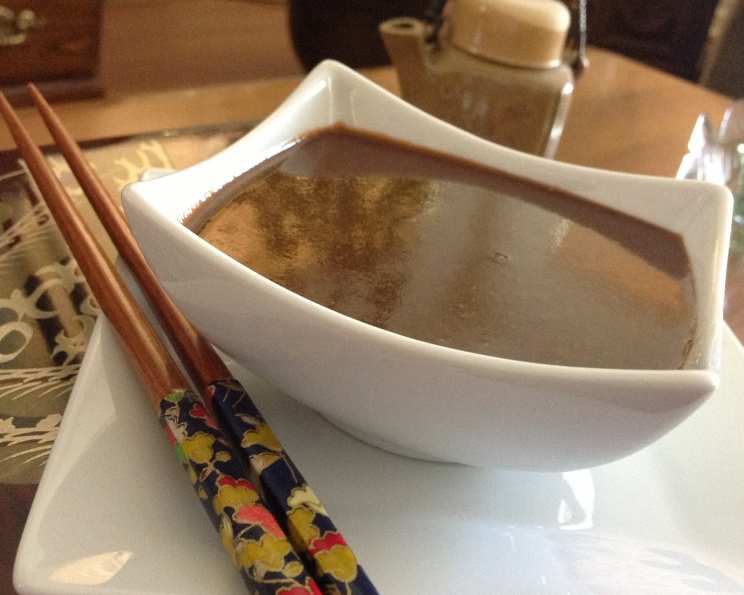
Homemade Hoisin Sauce: A Flavorful Journey
I’ll never forget the time I hosted a Chinese New Year feast, meticulously preparing Peking duck with all the traditional trimmings. Disaster struck when I realized, just moments before serving, that my carefully purchased jar of hoisin sauce had somehow vanished from the pantry. Panic set in – the dish wouldn’t be the same without that sweet, savory, and slightly spicy glaze. I frantically searched online, desperate for a quick fix, and stumbled upon a recipe for a homemade version. While it didn’t taste exactly like the store-bought kind, it saved the day and proved that even in culinary emergencies, delicious solutions can be found with a little ingenuity and a well-stocked pantry. This recipe is my adaptation of that fateful find, a small-batch wonder that’s perfect when you’re in a pinch.
Recipe Overview
- Prep Time: 5 minutes
- Total Time: 10 minutes
- Yields: Approximately 1/4 cup
- Dietary Type: Vegan (check labels on ingredients)
Ingredients
- 4 tablespoons soy sauce
- 1 tablespoon black bean paste (can substitute peanut butter)
- 1 tablespoon molasses or 1 tablespoon brown sugar
- 2 teaspoons white vinegar
- 1/8 teaspoon garlic powder
- 1/8 teaspoon onion powder
- 2 teaspoons sesame oil
- 20 drops Chinese hot sauce (or habanero sauce or finely minced jalapenos)
- 1/8 teaspoon black pepper
Equipment Needed
- Mason jar (or small container with a tight-fitting lid)
- Mortar and pestle (optional, if using fresh garlic and peppers)
Instructions
- Combine all ingredients in a Mason jar or other container with a lid.
- Seal the jar tightly and shake vigorously until all ingredients are fully emulsified and well combined. This may take a minute or two to ensure a smooth sauce.
- Taste the sauce and adjust the flavor as needed. If you prefer a sweeter sauce, add a little more molasses or brown sugar. For a deeper, richer flavor, add a touch more black bean paste (or peanut butter, but use sparingly!). If you prefer more tang, add a bit more white vinegar.
- Note 1: If substituting peanut butter for black bean paste, start with 1 tablespoon. You may increase it to 2 tablespoons, but be cautious as it can quickly overpower the other flavors.
- Note 2: If using fresh garlic instead of garlic powder, use about 1 clove. Mince the garlic and your choice of fresh jalapeno (if using) very finely. The best option is to combine the minced garlic and peppers and grind them into a paste using a mortar and pestle before adding them to the other ingredients. This helps release their flavors and ensures they are evenly distributed throughout the sauce.
Expert Tips & Tricks
- Adjust the Heat: The number of drops of hot sauce is a guideline. Start with fewer drops and add more to taste. Remember that the heat will intensify slightly as the sauce sits. For a milder sauce, remove the seeds from the jalapenos before mincing them.
- Black Bean Paste Alternatives: If you can’t find black bean paste, fermented bean curd (also known as tofu cheese) is a less common, but acceptable, substitute.
- Emulsification is Key: Shaking vigorously is important to properly emulsify the oil and vinegar. If you find the sauce separating after sitting, simply shake it again before using.
- Taste as you Go: Homemade sauces are all about personalization. Don’t be afraid to adjust the ingredients to suit your own taste preferences.
Serving & Storage Suggestions
This homemade hoisin sauce is incredibly versatile. Use it as a glaze for grilled meats, a dipping sauce for spring rolls or dumplings, a stir-fry sauce for vegetables and noodles, or a marinade for tofu or tempeh.
- Storage: Store the hoisin sauce in an airtight container (like the Mason jar you made it in) in the refrigerator. It will keep for up to 1 week. The sauce may thicken slightly as it chills, but it will return to its original consistency when brought to room temperature or heated.
- Serving: No need to reheat the sauce – it is best enjoyed at room temperature.
Nutritional Information
Please note that these values are estimates and can vary based on specific ingredients used.
| Nutrient | Amount per Serving | % Daily Value |
|---|---|---|
| Calories | 120 kcal | 6% |
| Total Fat | 8g | 10% |
| Saturated Fat | 1g | 5% |
| Cholesterol | 0mg | 0% |
| Sodium | 900mg | 38% |
| Total Carbohydrate | 12g | 4% |
| Dietary Fiber | 1g | 4% |
| Sugars | 8g | – |
| Protein | 3g | 6% |
Variations & Substitutions
- Gluten-Free: To make this recipe gluten-free, use tamari instead of soy sauce. Tamari is a Japanese soy sauce that is typically made without wheat.
- Sugar-Free: Use a sugar-free molasses alternative or a liquid sweetener like stevia or monk fruit, adjusting to taste.
- Spice Level: Experiment with different types of hot sauce or chilies to customize the heat level. You could also add a pinch of cayenne pepper for a subtle kick.
- Nut-Free: If you have a peanut allergy, use sunflower seed butter or tahini instead of peanut butter as a substitute for black bean paste.
FAQs (Frequently Asked Questions)
Q: Can I make this sauce ahead of time?
A: Absolutely! In fact, the flavors meld together even more as it sits, so making it a day or two in advance is a great idea. Just be sure to store it properly in the refrigerator.
Q: My sauce is too thick. What should I do?
A: Add a teaspoon of water at a time until you reach your desired consistency. Shake well after each addition.
Q: Can I use honey instead of molasses?
A: While you can use honey, it will alter the flavor profile of the sauce slightly. Molasses provides a deeper, richer flavor that is more characteristic of hoisin sauce.
Q: How long does homemade hoisin sauce last?
A: Homemade hoisin sauce will last for up to one week when stored properly in an airtight container in the refrigerator.
Q: Can I freeze this sauce?
A: While you can freeze hoisin sauce, the texture may change slightly upon thawing. It’s best to make it fresh, but if you have excess, freezing is an option. Use within 1-2 months for best quality.
Final Thoughts
Now that you’ve mastered the art of homemade hoisin sauce, I encourage you to get creative in the kitchen. This recipe is a fantastic base, but don’t be afraid to experiment with different flavors and ingredients to create your own signature sauce. Whether you’re glazing ribs, stir-frying vegetables, or dipping spring rolls, this homemade hoisin sauce is sure to add a burst of flavor to your next meal. Let me know in the comments how you’re using your sauce, and if you made any interesting tweaks! Happy cooking!