
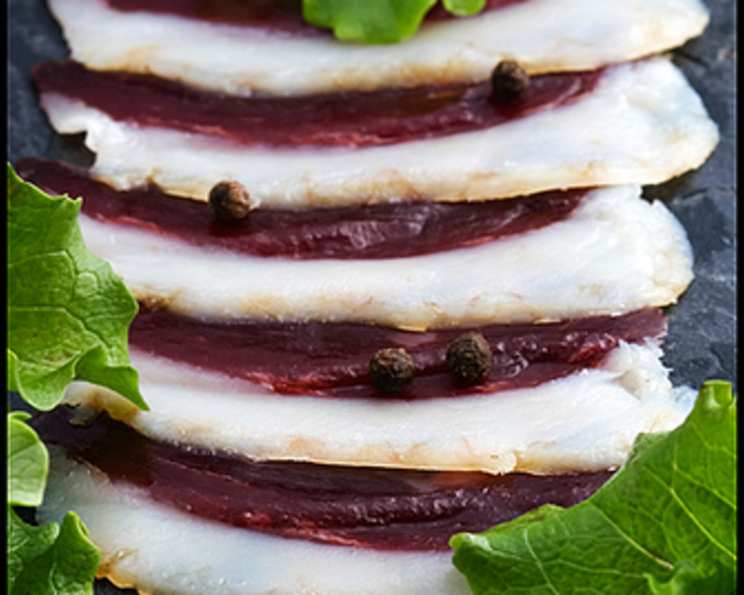
Home-Cured Duck Prosciutto: A Chef’s Secret
The first time I tasted truly exceptional prosciutto, it wasn’t in a fancy Italian trattoria, but rather, at a rustic farmhouse in the French countryside. The farmer, a jovial man named Jean-Pierre, simply sliced a few slivers off a beautifully cured duck breast, presenting it with a crusty baguette and a bottle of local wine. The salty, rich, and slightly sweet flavor exploded in my mouth, and I was instantly hooked. It was a flavor experience that sparked a passion for charcuterie and a desire to recreate that magic in my own kitchen. Now, I’m excited to share this surprisingly simple recipe with you.
Recipe Overview
- Prep Time: 20 minutes
- Cure Time: 1-2 days
- Dry Time: 5-7 days
- Total Time: 7-9 days
- Yields: 1 cured duck breast
- Serves: 4-6
- Dietary Type: Dairy-Free, Gluten-Free
Ingredients
- 1 large duck breast (skin attached)
Curing Mix:
- 450 g salt (any is fine, but not coarse grain)
- 150 g brown sugar
Equipment Needed
- Air-tight plastic container
- Mixing bowl (or jar)
- Clean muslin, cheesecloth, or thick cloth
- String
Instructions
- Start by gently washing the duck breast to remove any excess blood. Pat it completely dry with a towel, removing as much surface moisture as possible. Set aside.
- Prepare the curing mix. In a mixing bowl (or a jar with a lid), combine the salt and the brown sugar. Mix thoroughly until evenly distributed. If using a jar, seal it and shake vigorously until well combined.
- Select an air-tight plastic container. Pour about 1 inch thick of the prepared curing mix into the bottom, spreading it evenly.
- Gently lay the duck breast, skin side up, on top of the salt mixture. Ensure that the breast doesn’t touch the sides of the container for even curing.
- Pour the remaining curing mix over the duck breast, completely covering it and filling the container. If you don’t have enough curing mix to fully cover the breast, make more using the same ratio of salt to brown sugar.
- Seal the container and place it in the refrigerator. Leave it to cure for 1 to 2 days. The salt will draw moisture out of the duck breast, preserving the meat and making it safe to eat without cooking. The sugar adds a subtle sweetness to balance the saltiness.
- After 1 to 2 days, remove the container from the refrigerator. Carefully remove the duck breast from the cure mix.
- Briefly rinse off the excess curing mix with cold water. Avoid prolonged soaking.
- Pat the cured breast completely dry. Then, wrap it tightly in a clean muslin, cheesecloth, or a thick cloth.
- Suspend the wrapped duck breast from a string in a dry, warm, and well-ventilated area for 5 to 7 days. This allows the duck to thoroughly dry out and develop its characteristic prosciutto texture. A pantry or a cool, dark corner of your kitchen works well.
- After 5 to 7 days of drying, the duck prosciutto is ready! Thinly slice it and serve in salads, pastas, or as part of a charcuterie board. Prepare to impress your friends when you reveal that you cured it yourself!
- Storage: Keep the duck prosciutto refrigerated and wrapped tightly in cling film or butcher paper.
Expert Tips & Tricks
- Even Curing: Make sure the duck breast is completely submerged in the salt and sugar mixture during the curing process. This ensures even curing and prevents spoilage.
- Dry Environment: A stable, dry environment is crucial for proper drying. Avoid humid locations, as they can promote mold growth.
- Weighting the duck: Place a weight on top of the duck while it is curing in the salt mixture. This helps to press out more moisture and results in a denser, more flavorful prosciutto.
- The Pellicle: Look for the formation of a pellicle – a thin, slightly sticky skin – on the surface of the duck as it dries. This indicates that the drying process is proceeding correctly.
- Slicing: For the best flavor and texture, slice the duck prosciutto very thinly, ideally using a meat slicer or a very sharp knife.
- Spice it up! Feel free to add spices to the salt cure. The spice options are endless. Just make sure the base ratio is maintained and that the added ingredients do not exceed 25% of the salt weight.
Serving & Storage Suggestions
Serve your homemade duck prosciutto thinly sliced as part of an antipasto platter with cheeses, olives, and crusty bread. It’s also delicious in salads, tossed with pasta, or used as a flavorful topping for pizzas. For a truly luxurious treat, pair it with fresh figs and a drizzle of balsamic glaze.
To store, wrap the duck prosciutto tightly in cling film or butcher paper and keep it refrigerated. Properly stored, it should last for up to two weeks. It is not recommended to freeze duck prosciutto, as freezing can alter the texture. It can be left at room temperature for a couple of hours, but ensure it is refrigerated shortly afterwards.
Nutritional Information
| Nutrient | Amount per Serving | % Daily Value |
|---|---|---|
| Calories | 262.6 kcal | N/A |
| Calories from Fat | 58 g | 22% |
| Total Fat | 6.5 g | 10% |
| Saturated Fat | 1.8 g | 8% |
| Cholesterol | 81.6 mg | 27% |
| Sodium | 43667.8 mg | 1819% |
| Total Carbohydrate | 36.5 g | 12% |
| Dietary Fiber | 0 g | 0% |
| Sugars | 36.1 g | 144% |
| Protein | 14.7 g | 29% |
Note: Nutritional information is an estimate and can vary based on specific ingredients and preparation methods.
Variations & Substitutions
- Spice Infusion: Experiment with adding different spices and herbs to the curing mix. Try incorporating juniper berries, black peppercorns, garlic powder, smoked paprika, or dried rosemary for unique flavor profiles.
- Liquor Infusion: A splash of brandy, port wine, or even sake can be added to the curing mix for a more complex flavor.
- Smoked Prosciutto: After the drying process, you can cold-smoke the duck prosciutto for several hours to add a smoky flavor. Use wood chips like applewood or hickory for the best results.
- Different Cuts: While this recipe focuses on duck breast, you can also use other cuts of duck, such as duck legs, for a different texture and flavor.
- Honey instead of brown sugar: Use equal parts honey to replace the brown sugar, this will give a slightly different flavor.
FAQs (Frequently Asked Questions)
Q: Can I use kosher salt instead of regular salt?
A: Yes, you can use kosher salt. Just be aware that kosher salt crystals are typically larger than regular table salt crystals, so you may need to adjust the amount slightly to ensure you have the correct weight.
Q: How do I know if the duck prosciutto is safe to eat?
A: The curing process draws out moisture and inhibits bacterial growth. As long as you follow the recipe carefully and ensure the duck is properly dried, it should be safe to eat. Look for a firm texture and a pleasant aroma. If you notice any signs of spoilage (e.g., mold, foul odor), discard the duck prosciutto.
Q: What if I don’t have a dry, warm place to dry the duck?
A: If you live in a humid environment, you can use a dehydrator set to a low temperature (around 85-90°F) or a wine fridge to dry the duck prosciutto. A frost-free refrigerator can also work, but it may take longer to dry.
Q: Can I skip the sugar in the curing mix?
A: While you can technically skip the sugar, it is recommended to include it. The sugar helps to balance the saltiness and adds a subtle sweetness that enhances the overall flavor of the duck prosciutto.
Q: How long will the duck prosciutto last in the refrigerator?
A: Properly stored, duck prosciutto will last for up to two weeks in the refrigerator. Wrap it tightly in cling film or butcher paper to prevent it from drying out.
Final Thoughts
Making your own home-cured duck prosciutto is a rewarding culinary adventure. Don’t be intimidated by the curing process—with a little patience and attention to detail, you can create a truly exceptional delicacy that will impress your friends and family. So, grab a duck breast, gather your ingredients, and embark on this flavorful journey. Feel free to experiment with different spice combinations to create your own signature duck prosciutto. And don’t forget to share your creations and feedback! This duck prosciutto pairs exceptionally well with a crisp Sauvignon Blanc or a light-bodied Pinot Noir. Happy curing!