
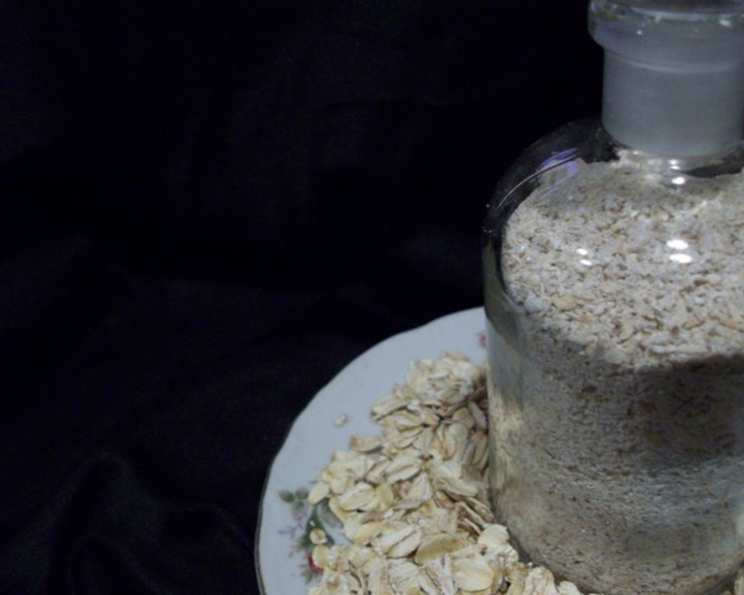
Homemade Baby Oatmeal: A Simple and Nutritious Start
I remember the day my daughter started solids like it was yesterday. The carefully chosen organic carrots, the slightly apprehensive look on her face, and, of course, the inevitable mess. But one thing that quickly became a staple was oatmeal. Not the sugary, pre-packaged kind, but a simple, homemade version, lovingly prepared with just oats and water. It was pure, wholesome, and I knew exactly what was going into her little tummy. It’s a memory I cherish, filled with the joy of nurturing my child with the most basic, yet nourishing, of foods.
Recipe Overview
- Prep Time: 2 minutes
- Cook Time: 3 minutes
- Total Time: 5 minutes
- Servings: 8
- Dietary Type: Vegan, Gluten-Free (if using certified gluten-free oats)
Ingredients
- 1 cup quick-cooking oats
- Water (as needed for desired consistency)
Equipment Needed
- Food processor or blender
- Measuring cup
- Spoon
Instructions
- First, prepare your oats. Place the quick-cooking oats into a food processor. Alternatively, if using a blender, process in smaller batches for even grinding.
- Process the oats until they resemble a fine powder. The finer the powder, the smoother the final oatmeal will be. This step is crucial for babies who are just starting on solids.
- Once the oats are ground, it’s time to make the oatmeal. In a bowl, add the ground oat powder.
- Add hot tap water to the oat powder, a little at a time, stirring continuously. Adjust the amount of water until you reach your desired consistency. Some babies prefer a thinner oatmeal, while others prefer it thicker.
- Stir well to ensure there are no lumps. The hot water should cook the oats sufficiently to make them soft and digestible.
- Before serving to your baby, always test the temperature to prevent burns. The oatmeal should be lukewarm, not hot.
Expert Tips & Tricks
- Grind it Fine: The key to a smooth, lump-free baby oatmeal is to grind the oats into a very fine powder. If you’re having trouble achieving a fine grind with your food processor or blender, try using a high-speed blender like a Vitamix or Blendtec.
- Hot Water Hack: Using hot tap water speeds up the cooking process and helps to create a smoother texture. Just be sure the water is safe for consumption if your tap water quality is questionable. Filtered, boiled water that’s been allowed to cool slightly is also a good option.
- Batch Prep: Make a larger batch of the oat powder and store it in an airtight container. This way, you can quickly whip up a fresh serving of oatmeal whenever your baby is hungry.
- Flavor Boost: While plain oatmeal is a great starting point, feel free to add a pinch of cinnamon or nutmeg to the ground oats before mixing with water for a subtle flavor boost.
- Mix-Ins: Once your baby is accustomed to plain oatmeal, you can start experimenting with mix-ins like pureed fruits (applesauce, banana, berries), vegetables (sweet potato, carrots), or even a dollop of plain yogurt.
Serving & Storage Suggestions
Serve the homemade baby oatmeal immediately after preparation while it’s fresh and warm (but not hot!). Always test the temperature before feeding it to your baby.
If you have any leftover oatmeal, store it in an airtight container in the refrigerator for up to 24 hours. Reheat gently before serving, adding a little extra water if needed to restore the desired consistency.
Freezing is not generally recommended for cooked oatmeal, as it can become watery and the texture may change upon thawing. It’s best to make a fresh batch each time. However, the ground oat powder can be stored in an airtight container in a cool, dark place for up to 3 months.
Nutritional Information
| Nutrient | Amount per Serving (approximate) | % Daily Value (for infants) |
|---|---|---|
| Calories | 40 kcal | N/A |
| Total Fat | 1g | N/A |
| Saturated Fat | 0.1g | N/A |
| Cholesterol | 0mg | N/A |
| Sodium | 0.5mg | N/A |
| Total Carbohydrate | 7g | N/A |
| Dietary Fiber | 1g | N/A |
| Sugars | 0.1g | N/A |
| Protein | 1.5g | N/A |
Note: Nutritional information is an estimate and may vary depending on the specific brand of oats used and the amount of water added. Daily values for infants are not always established. Consult with your pediatrician or a registered dietitian for personalized dietary recommendations.
Variations & Substitutions
- Gluten-Free Oatmeal: If your baby has a gluten sensitivity or allergy, be sure to use certified gluten-free quick-cooking oats.
- Milk Alternatives: Instead of water, you can use breast milk, formula, or a non-dairy milk alternative (such as unsweetened almond milk or oat milk) to make the oatmeal. This will add extra flavor and nutrients. However, always consult with your pediatrician before introducing new foods or milk alternatives to your baby.
- Fruit Infusions: Cook the oats with a small piece of peeled apple or pear for natural sweetness and added vitamins. Be sure to remove any chunks before serving to prevent choking.
- Savory Oatmeal: While oatmeal is typically served sweet, you can also make a savory version by adding a pinch of salt and mixing in pureed vegetables like butternut squash or spinach.
FAQs (Frequently Asked Questions)
Q: Can I use steel-cut oats for baby oatmeal?
A: While steel-cut oats are incredibly nutritious, they can be difficult to grind into a fine enough powder for babies. Quick-cooking oats are generally easier to process and cook more quickly. If using steel-cut oats, ensure they are ground very finely and cooked thoroughly.
Q: How do I know if the oatmeal is the right consistency for my baby?
A: The ideal consistency will vary depending on your baby’s age and preferences. Start with a thin, soupy consistency and gradually thicken it as your baby gets older and more accustomed to solids.
Q: Can I add salt or sugar to baby oatmeal?
A: It’s best to avoid adding salt or sugar to baby oatmeal. Babies don’t need added sodium or sweeteners, and it’s important to develop their taste for natural flavors.
Q: How can I prevent the oatmeal from being lumpy?
A: The key to preventing lumps is to grind the oats into a very fine powder and to add the hot water gradually, stirring constantly.
Q: Is homemade baby oatmeal more nutritious than store-bought versions?
A: Homemade baby oatmeal allows you to control the ingredients and avoid added sugars, salts, and preservatives that may be found in some store-bought versions. It can be a more nutritious and wholesome option.
Final Thoughts
Homemade baby oatmeal is a simple, affordable, and nutritious way to introduce your little one to the world of solid foods. It’s a blank canvas for exploring flavors and textures, and it’s a recipe you can adapt to suit your baby’s growing needs and preferences. Don’t be afraid to experiment with different mix-ins and variations to create a personalized oatmeal that your baby will love. And most importantly, enjoy the process of nourishing your child with this wholesome and comforting food! Share your variations and feedback with other parents. Happy cooking!