
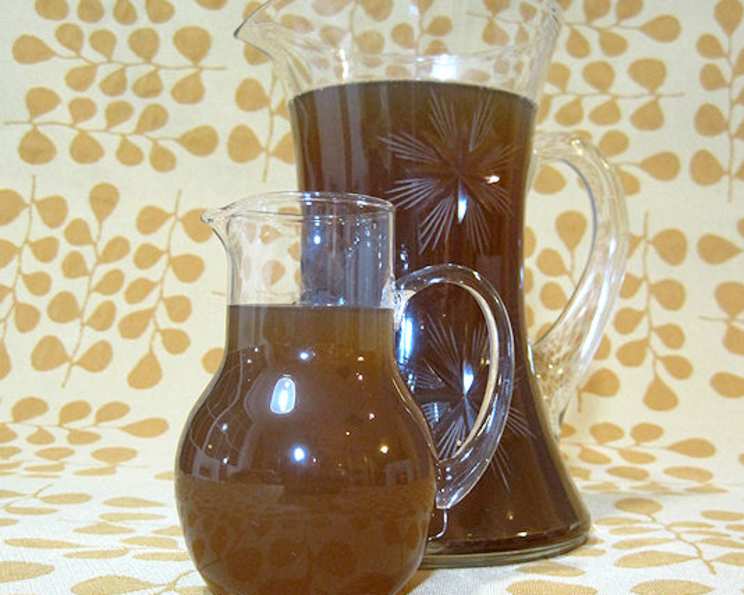
The Heart of Flavor: Crafting Homemade Beef Stock
There’s something deeply satisfying about the aroma of beef stock simmering on the stove. I remember my grandmother always had a pot going during the cooler months. The rich, savory scent would permeate the entire house, a comforting promise of hearty stews and flavorful gravies to come. It wasn’t just a cooking process; it was a ritual, a way of infusing love and warmth into every dish. Now, I carry on that tradition, knowing that the best meals always start with the best stock.
Recipe Overview
- Prep Time: 20 minutes
- Cook Time: 3 hours
- Total Time: 3 hours 20 minutes
- Yield: 5 pints, approximately
- Serves: 10
- Dietary Type: Dairy-Free, Gluten-Free
Ingredients
- 2-4 lbs beef bones
- 2 onions, chopped
- 3 cloves garlic, chopped
- 2 leeks, white part only, sliced
- 4-6 carrots, scraped and sliced
- 2-3 celery ribs, washed and chopped
- 1 bunch chopped parsley stems
- Black peppercorns
- White peppercorns
- Red peppercorns
- Green peppercorns
- Bay leaf
- Thyme, to taste
- Rosemary, to taste
- 3 quarts water
Equipment Needed
- Roasting pan
- Large stockpot or Dutch oven
- Fine-mesh sieve or cheesecloth-lined colander
- Large bowl
- Storage containers
Instructions
-
Begin by roasting the beef bones. Preheat your oven to 350°F (175°C). Place the bones in a roasting pan and roast for 40 minutes. Roasting the bones adds depth and richness to the stock, creating a beautiful, deep brown color and intensifying the savory flavors.
-
While the bones are roasting, prepare your vegetables. Chop the onions, garlic, carrots, and celery according to the ingredient list. Slice the white part of the leeks.
-
In a large stockpot or Dutch oven, sauté the chopped onions in a little oil over medium heat until they start to turn brown. This caramelization process adds sweetness and complexity to the stock. Make sure to stir frequently to prevent burning.
-
Once the bones are roasted, carefully transfer them to the stockpot with the sautéed onions. Add the garlic, sliced leeks, carrots, and celery to the pot.
-
Add the parsley stems to the pot. The stems provide a wonderful herbaceous flavor without overpowering the stock.
-
Now for the spices! Add a generous pinch of black peppercorns, white peppercorns, red peppercorns, and green peppercorns. The blend of peppercorns adds a subtle heat and complexity to the stock. Don’t be afraid to experiment with different ratios to find your preferred flavor profile.
-
Add the bay leaf, thyme, and rosemary to the pot. Fresh herbs are ideal, but dried herbs can also be used if fresh are not available. Use these herbs sparingly, as they can become overpowering if used in excess.
-
Pour 3 quarts of water into the stockpot, ensuring that all the ingredients are submerged. If necessary, add more water to cover the ingredients.
-
Bring the mixture to a simmer over medium-high heat. Once simmering, reduce the heat to low and cover the pot. Let the stock simmer gently for at least 3 hours. A very low simmer is key to extracting maximum flavor without creating a cloudy stock.
-
After 3 hours, taste the stock and adjust the seasonings as desired. You may want to add more salt, pepper, or herbs to enhance the flavor.
-
Continue simmering the stock on low heat for a longer period if desired. The longer you cook the stock, the stronger the flavor will become. Some chefs prefer to simmer their stock for up to 6 or even 8 hours for an intensely rich flavor.
-
Once the stock has reached your desired flavor intensity, it’s time to strain it. Line a fine-mesh sieve with cheesecloth (if desired) and place it over a large bowl. Carefully pour the stock through the sieve, discarding the solids. The cheesecloth will help to remove any fine particles, resulting in a clearer stock.
-
Allow the strained stock to cool completely. As the stock cools, any fat will rise to the surface and solidify.
-
Once the stock is cooled, skim off any fat that has accumulated on the surface. This step is important for removing excess fat and ensuring a cleaner, more flavorful stock.
-
If you’re not using the stock immediately, store it covered in the refrigerator for up to 10 days, or freeze it in plastic containers or ice cube trays for longer storage. Freezing the stock in ice cube trays allows you to easily thaw small portions for use in sauces or other recipes.
Expert Tips & Tricks
- Roast your vegetables: Roasting the vegetables alongside the bones will add even more depth of flavor to your stock.
- Don’t boil: Boiling the stock will result in a cloudy and potentially bitter final product.
- Use a pressure cooker: For a faster stock-making process, use a pressure cooker. Reduce the cooking time to about 1-2 hours.
- Add wine: For an extra layer of flavor, add a cup of red or white wine to the stockpot during the simmering process.
- Freeze in portions: Freeze the stock in convenient portion sizes for easy use in future recipes.
Serving & Storage Suggestions
Serve your homemade beef stock as a base for soups, stews, sauces, and gravies. It can also be used to add flavor to braised dishes, risotto, and mashed potatoes.
Store leftover beef stock in an airtight container in the refrigerator for up to 10 days. For longer storage, freeze the stock for up to 3 months. To reheat, simply thaw the stock in the refrigerator or microwave and then heat it on the stovetop.
Nutritional Information
| Nutrient | Amount per Serving | % Daily Value |
|---|---|---|
| Calories | 644.3 kcal | N/A |
| Calories from Fat | N/A | 90% |
| Total Fat | 64.5 g | 99% |
| Saturated Fat | 26.8 g | 133% |
| Cholesterol | 89.9 mg | 29% |
| Sodium | 60 mg | 2% |
| Total Carbohydrate | 7.5 g | 2% |
| Dietary Fiber | 1.5 g | 6% |
| Sugars | 2.9 g | N/A |
| Protein | 8.3 g | 16% |
Variations & Substitutions
- Vegetarian Stock: For a vegetarian option, substitute the beef bones with a variety of vegetables, such as mushrooms, onions, carrots, celery, and parsnips.
- Chicken Stock: Replace the beef bones with chicken bones for a delicious chicken stock.
- Seafood Stock: Use fish bones and shrimp shells to create a flavorful seafood stock.
- Spicy Stock: Add a chili pepper or a pinch of red pepper flakes to the stockpot for a spicy kick.
- Herb Variations: Experiment with different herbs, such as sage, oregano, or marjoram, to create unique flavor profiles.
FAQs (Frequently Asked Questions)
Q: Why is it important to roast the beef bones before making stock?
A: Roasting the bones caramelizes the proteins and sugars, resulting in a richer, more flavorful stock with a deeper color.
Q: Can I use already cooked beef bones for making stock?
A: Yes, you can use leftover roasted beef bones. They will still impart flavor to the stock, although the flavor may be slightly less intense than using raw roasted bones.
Q: How do I prevent my beef stock from becoming cloudy?
A: Avoid boiling the stock and ensure that you are simmering it gently over low heat. Skimming off any impurities that rise to the surface during simmering will also help to keep the stock clear.
Q: How long can I store homemade beef stock?
A: Homemade beef stock can be stored in the refrigerator for up to 10 days or frozen for up to 3 months.
Q: What can I do if my beef stock tastes bland?
A: Try adding more salt, pepper, or herbs to enhance the flavor. You can also simmer the stock for a longer period to concentrate the flavors.
Final Thoughts
Creating homemade beef stock may seem like a time-consuming process, but the results are well worth the effort. The rich, complex flavor of homemade stock elevates any dish it’s used in, transforming simple meals into culinary masterpieces. Don’t be intimidated – gather your ingredients, follow these steps, and experience the incredible difference that homemade beef stock can make in your cooking. I encourage you to experiment with different variations and find your own signature flavor. And please, share your experiences! I’d love to hear how this recipe has transformed your kitchen. Why not use your newfound stock-making skills to create a rich French Onion Soup or a hearty Beef Bourguignon? The possibilities are endless!