
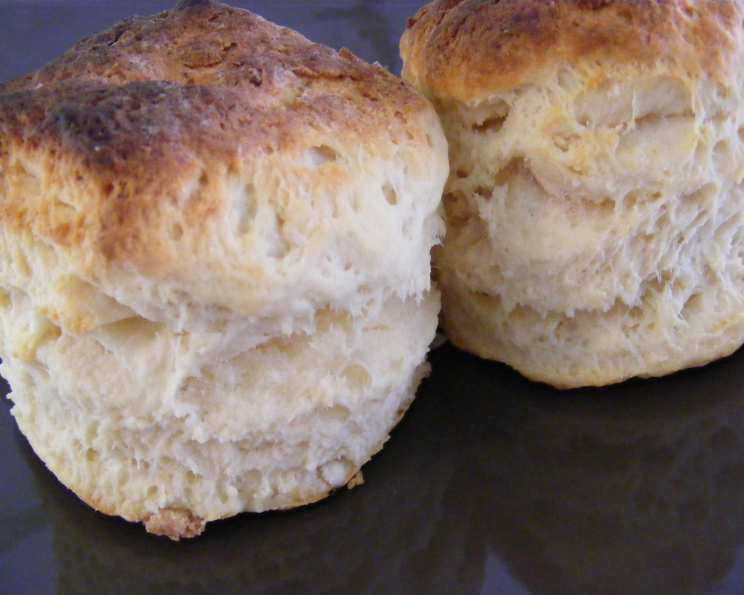
The Ultimate Homemade Biscuit Mix: Your Secret Weapon for Flaky Goodness
I remember my grandmother, a true Southern matriarch, always had a batch of biscuit mix ready. It wasn’t just about convenience; it was about having the potential for warmth and comfort on hand at a moment’s notice. The smell of her biscuits baking in the morning still lingers in my memory – a symphony of buttery goodness and simple pleasures. This recipe aims to capture that same spirit: a shortcut to homemade happiness, perfect for busy weeknights or lazy weekend brunches.
Recipe Overview
- Prep Time: 20 minutes
- Cook Time: 12-15 minutes
- Total Time: 32-35 minutes
- Yields: Approximately 5 batches of biscuit mix
- Dietary Type: Vegetarian
Ingredients
- 8 cups all-purpose flour
- 1 1/2 cups powdered milk (non-fat dry milk)
- 1/4 cup baking powder
- 1 tablespoon salt
- 1 1/2 cups shortening
For Making Biscuits:
- 2 cups biscuit mix
- 1/3 – 1/2 cup water
Equipment Needed
- Large mixing bowl
- Pastry blender or food processor (optional, for cutting in shortening)
- Measuring cups and spoons
- Plastic bag or airtight container for storage
- Floured surface
- Rolling pin
- Biscuit cutter or glass
- Baking sheet
Instructions
- In a large mixing bowl, stir together the flour, powdered milk, baking powder, and salt. Ensure all dry ingredients are thoroughly combined for even distribution. This is crucial for consistent results.
- Cut in the shortening using a pastry blender or your fingertips. If using a food processor, pulse until the mixture resembles coarse crumbs. The goal is to evenly distribute the shortening throughout the dry ingredients, creating pockets of fat that will melt during baking and create flaky layers. Don’t overmix; you want to see small pieces of shortening.
- Store the biscuit mix in a freezer-safe plastic bag or an airtight container. You can store it in the freezer for several months to prolong its shelf life. Alternatively, store it in a canister or jar on your countertop for up to a month. Label the container with the date to keep track of freshness.
- When you’re ready to make biscuits, measure out 2 cups of the biscuit mix.
- Add 1/3 to 1/2 cup of water, starting with the smaller amount. Mix gently until a soft, but not sticky, dough forms. The amount of water needed may vary depending on the humidity. Be careful not to overmix the dough; this will develop the gluten and result in tough biscuits.
- Turn the dough out onto a lightly floured surface (a floured towel or countertop works well).
- Roll the dough out to about 3/4-inch thickness. Thicker dough will yield taller, softer biscuits, while thinner dough will result in crisper biscuits.
- Cut out biscuits using a biscuit cutter or a glass. If using a glass, dip the rim in flour before each cut to prevent sticking. Avoid twisting the cutter, as this can seal the edges and prevent the biscuits from rising properly.
- Place the biscuits on an ungreased baking sheet. For slightly crisper sides, place them a little apart. For softer sides, place them close together.
- Bake in a preheated oven at 450°F (232°C) for 12 to 15 minutes, or until golden brown. Keep a close eye on them, as baking times may vary depending on your oven.
- Let the biscuits cool slightly on the baking sheet before serving.
Expert Tips & Tricks
- Cold ingredients are key: Ensure your shortening is cold before cutting it into the dry ingredients. This helps create those desirable pockets of fat for flakiness. You can even chill the dry ingredients beforehand.
- Don’t overmix: Overmixing develops gluten, which leads to tough biscuits. Mix only until the dough just comes together.
- Use buttermilk for richer flavor: Substitute buttermilk for the water in the biscuit recipe for a tangier, richer flavor.
- Brush with melted butter: For extra flavor and a golden-brown crust, brush the tops of the biscuits with melted butter before baking.
- Freeze unbaked biscuits: Cut biscuits can be frozen on a baking sheet and then transferred to a freezer bag. Bake directly from frozen, adding a few minutes to the baking time.
- Elevate the flavor: Consider adding herbs like rosemary or thyme to the dry mix for a savory twist. A touch of sugar can enhance the sweetness.
- Substitute with butter flavored shortening. Using butter flavored shortening can add a buter-like flavour for those who enjoy it, but want to make it last longer.
Serving & Storage Suggestions
Serve your warm, freshly baked biscuits with butter, jam, honey, or gravy. They are delicious alongside breakfast dishes like scrambled eggs and bacon, or as a side to soups and stews.
Store leftover biscuits in an airtight container at room temperature for up to 2 days. For longer storage, keep them in the refrigerator for up to a week, or freeze them for up to 2 months.
To reheat, wrap the biscuits in foil and warm them in a 350°F (175°C) oven for about 10 minutes, or until heated through. You can also microwave them for a quicker option, but they may become slightly softer.
Nutritional Information
Please note that these values are approximate and can vary based on specific ingredients and portion sizes.
| Nutrient | Amount per Serving (1 biscuit) | % Daily Value* |
|---|---|---|
| Calories | 150 kcal | 8% |
| Total Fat | 8g | 12% |
| Saturated Fat | 4g | 20% |
| Cholesterol | 0mg | 0% |
| Sodium | 300mg | 13% |
| Total Carbohydrate | 18g | 6% |
| Dietary Fiber | 1g | 4% |
| Sugars | 1g | |
| Protein | 3g | 6% |
*Based on a 2,000 calorie diet.
Variations & Substitutions
- Gluten-Free: Substitute the all-purpose flour with a gluten-free all-purpose blend. You may need to adjust the amount of water, as gluten-free flours tend to absorb more liquid.
- Whole Wheat: Replace up to half of the all-purpose flour with whole wheat flour for a nuttier flavor and added fiber.
- Vegan: Use vegan shortening or solid coconut oil in place of regular shortening. Ensure the powdered milk is plant-based.
- Cheese Biscuits: Add 1/2 cup of shredded cheddar cheese to the dry mix for cheesy biscuits.
- Herb Biscuits: Mix in 1-2 tablespoons of dried herbs like rosemary, thyme, or chives for a savory flavor.
- Sweet Biscuits: Add 2 tablespoons of sugar and a teaspoon of vanilla extract to the dough for sweeter biscuits.
- Cinnamon Raisin Biscuits: Mix in 1/2 cup of raisins and 1 teaspoon of cinnamon for a delightful treat.
FAQs (Frequently Asked Questions)
Q: Can I use butter instead of shortening?
A: Yes, you can substitute butter for shortening, but be sure to keep it very cold. Frozen butter, grated with a cheese grater, works well. Butter will add a richer flavor, but shortening tends to create flakier biscuits.
Q: How long will the biscuit mix last?
A: The biscuit mix will last for up to a month in an airtight container at room temperature, or several months in the freezer.
Q: Why are my biscuits not rising?
A: This could be due to several factors, including using old baking powder, overmixing the dough, or not having the oven hot enough. Make sure your baking powder is fresh and avoid overmixing.
Q: Can I make this mix without powdered milk?
A: While powdered milk contributes to the texture and flavor, you can omit it. The biscuits may be slightly less tender, but still delicious. You can also use buttermilk powder as an alternative.
Q: What is the best way to cut the shortening into the flour?
A: A pastry blender is the ideal tool, but you can also use your fingertips or a food processor. The goal is to create small, evenly distributed pieces of fat that will melt during baking and create flaky layers.
Final Thoughts
Now you have the secret to homemade biscuits whenever the craving strikes. This simple mix is more than just a recipe; it’s a foundation for countless delicious meals and heartwarming moments. Don’t be afraid to experiment with different flavors and additions to make it your own. Share your creations with loved ones, and let the comforting aroma of freshly baked biscuits fill your home. Happy baking!